Quotulatiousness

October 24, 2018

Scheer’s campaign opening has about as much attraction as a cold bucket of sick

Filed under: Cancon, Politics — Tags: , , , — Nicholas @ 05:00

Some guy we’re supposed to believe is the leader of Her Majesty’s Loyal Opposition … Andrew Shear? Shea? No, that’s not it. Something like Scheer? Yeah, maybe it’s Scheer. He’s been in some kind of witness protection for the last year or so, I guess. Anyway, he’s finally emerged to announce the start of the Conservative Party’s year-long campaign to get Justin Trudeau re-elected and to protect our sacred Supply Management system.

No, wait. That’s not quite it. Oh, it’s to get Scheer elected? Okay, then. Got it.

In the National Post, Colby Cosh attempts to find reasons for Canadians to support the Tories next year:

Andrew Scheer meets British Prime Minister Theresa May
Photo via Wikimedia Commons

Andrew Scheer published an “open letter to Canadians” in the Toronto Sun this Saturday. “Sunday marks exactly one year until the next federal election,” the federal Conservative leader observed, proceeding thereupon to a critique of Justin Trudeau’s government. As someone who is still trying to take stock of Scheer, I read the letter hoping for clues to his plan of attack for the 2019 election. I’m afraid it merely served to emphasize how much Scheer has remained on the defensive since winning the Tory leadership almost a year and a half ago.

That is part of the issue here: does it seem to you like a year and a half since Scheer became leader? Forgive me a very subjective observation, but I found myself hardly believing that we are much closer in time to the next election than we are to the choosing of an opposition leader who still seems like the enigmatic new guy. What are his signature issues? I am afraid the first answer that springs to mind is “dairy supply management” — which is a continuing controversy that has exposed Scheer to embarrassment, and has helped to split his party, albeit in what is likely to be an electorally insignificant way. (Maxime Bernier won’t be the next Prime Minister of Canada, but party morale is a thing in elections.)

The other major issues that have presented themselves to Scheer as opportunities haven’t proved much more helpful. When it comes to the federalization of carbon taxation, Scheer still has no good answers when he is called upon to reconcile his hypothetical support for emissions reductions with his opposition to the Trudeau plan. He doesn’t like carbon taxes, period, which will play well with climate skeptics who have three-SUV garages; I do not underestimate the impetus of that voting bloc, but the Conservatives own those voters already. Scheer also cornered himself into a lame position on the campus free-speech wars, and he is pulling sour faces about marijuana legalization, even though he is one of the few Canadian politicians who will admit to having smoked the stuff personally.

October 19, 2018

Ontario’s lack of retail cannabis stores – “What have they been smoking at Queen’s Park?”

Filed under: Bureaucracy, Business, Cancon — Tags: , , , , — Nicholas @ 03:00

In the Financial Post, William Watson points out the weirdness of Ontario’s decision to delay the opening of legal cannabis stores until next Spring:

For several years now, dozens of dispensaries have been operating quite openly. (They call themselves dispensaries to further the narrative that, like your grandmother’s rye, marijuana is for medicinal purposes.) Only now, with pot use becoming legal, are these dispensaries being shut down — although Toronto’s chief of police says not right away, as he doesn’t have [the] person power to do it all at once.

If they don’t shut down, they may forfeit their chance at a licence to sell pot legally once licensed retail operations do finally start in the province on (when else?) April 1st of next year — 166 days after legalization. Why would they not be granted a licence? Not because they trafficked in marijuana when its use was strictly illegal, if seldom prosecuted. But because they continued to traffic in marijuana after it became legal but before the government gave them a licence, an offence that will be prosecuted slowly, if at all.

Silly me. I thought marijuana legalization would simply say that after a certain date the police wouldn’t arrest you for having such-and-such an amount of marijuana in your possession. End of story.

[…]

Countrywide, as the Financial Post’s Vanmala Subramaniam recently reported, a big roadblock to timely legal supply has been the need to seal products with federal excise revenue stamps. But there’s only one supplier and the stamps come without adhesive. Stamps! In 2018!

In American movies of the 1930s and 1940s, moonshiners and bootleggers waged war against “revenuers,” federal agents charged with levying excise taxes on booze. It seems the revenuers have now taken charge of Canada’s marijuana industry. You might plausibly argue that the former illegal market operated in the interests of consumers. There seems little doubt the new legal market will operate in the interest of governments, their unions and their revenue departments.

When cops did enforce the country’s no-toking laws, they could plausibly tell themselves they were doing it to protect young people and other innocents. Now when they enforce the laws they’re doing it to protect legally privileged producers against producers who find themselves offside with often arbitrary licensing laws. Protecting kids was one thing. Protecting cartels is quite another.

October 18, 2018

Canada legalizes cannabis … then takes the rest of the week off

Filed under: Cancon, Health, Law, Politics — Tags: , — Nicholas @ 03:00

What do you know? Justin Trudeau actually followed through on his promise to legalize marijuana across the country! Of all his election promises, that’s probably the one that most voters expected him to ditch as soon as the votes were counted, yet here we are in the second country in the world to legalize the stuff. So, everyone not here in Canuckistan, we’ll probably be back sometime next week as we’ve got a lot of mellowing to get done…

Oh, you want a blog post? Duuuude, just take another hit.

Oh, okay, here ya go:

An Abacus Data poll released this week suggests Canadians are ready for marijuana legalization even if their governments might not be: Strong majorities of respondents in every age group and in every region said they could support or at least “accept” the framework that goes into effect Oct. 17. Even 54 per cent of Conservative voters said they could support or accept legal weed.

[…]

The resistance continues, certainly. In a special meeting on Tuesday, just days before Ontario’s municipal elections, City Council in Markham, Ont., passed a bylaw restricting marijuana smoking to private residences. It had earlier voted 12-1 in favour of “opting out” of storefront retail, as allowed for under provincial regulations.

“When you’re taking your grandmother down the street for a walk, (we don’t want you) having to be exposed to a number of individuals potentially at a street corner participating in it,” says Mayor Frank Scarpitti.

Richmond, B.C., is another refusenik jurisdiction. Mayor Malcolm Brodie notes the city took a much harsher approach than neighbouring Vancouver to the proliferation of illegal dispensaries, throwing the book at the only one that attempted to open. And he credits the provincial government with listening to municipalities’ concerns and allowing them to go their own ways

Indeed, considering the Reefer Madness-level debate, it seems somewhat remarkable how peacefully this sea change is washing over the country — and it seems the patchwork of provincial and municipal rules, much derided by Conservatives, is partly to credit for that.

A quick run-down of the new rules.

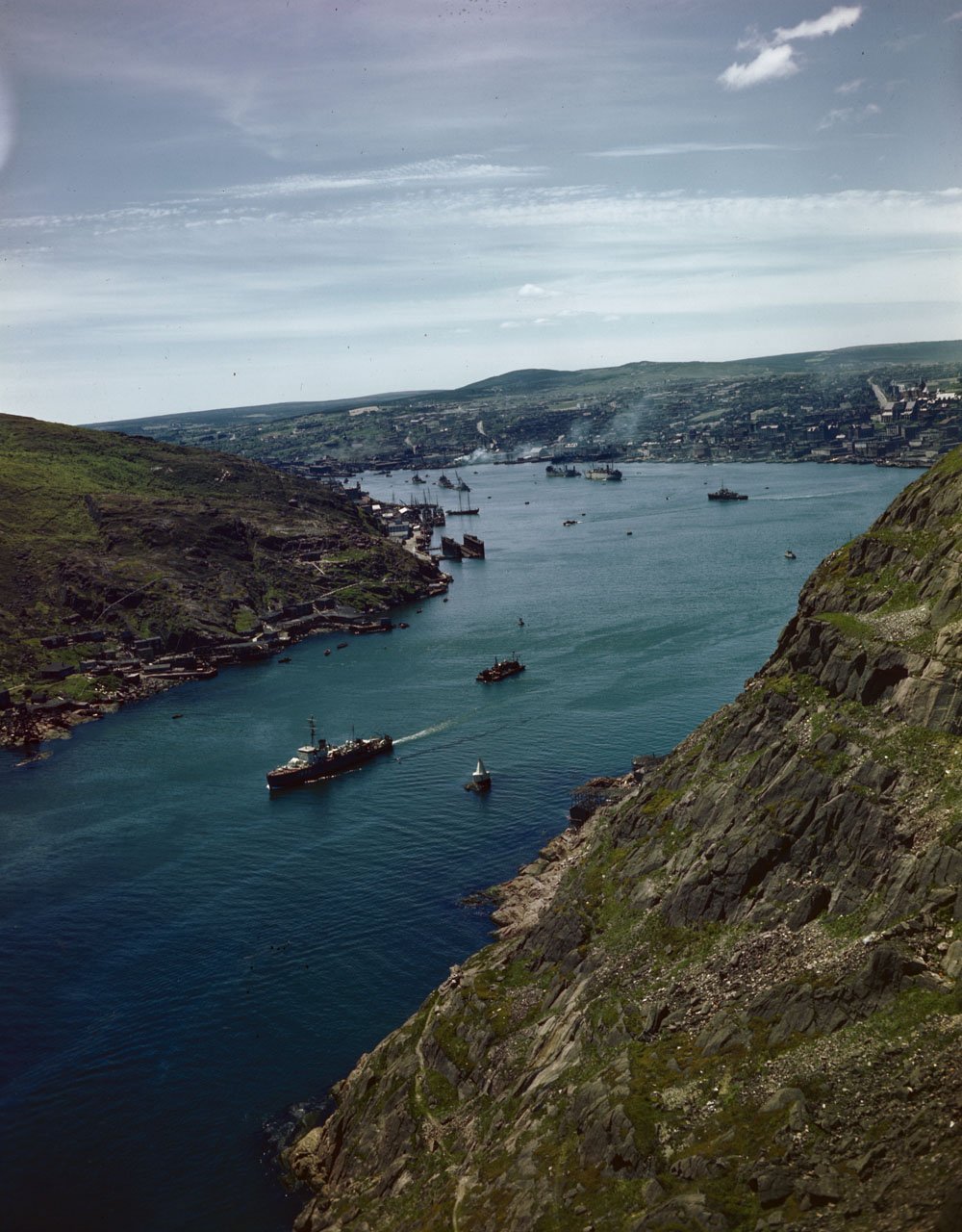
Thanks to time zones, the first legal sale of marijuana happened in Newfoundland:

One of the first customers to buy legal recreational cannabis in Canada says he has no intention of smoking, vaping or otherwise consuming the gram of weed he bought at a store in St. John’s.

Ian Power, who was first in line at one of several stores in the country’s easternmost province that opened just after midnight local time, says he plans to frame his purchase.

Hundreds of customers were lined up around the block at the private store on Water Street, the main commercial drag in the Newfoundland and Labrador capital, by the time the clock struck midnight.

A festive atmosphere broke out, with some customers lighting up on the sidewalk and motorists honking their horns in support as they drove by the crowd.

Cannabis NL expected 22 stores to open on Oct. 17, but not all opted to open in the middle of the night to commemorate the event.

Licensed marijuana producer Canopy Growth Corp. opened the Tweed-branded store in St. John’s at the late hour, while retailer Loblaw Companies Ltd. planned to start selling cannabis at its 10 locations at 9 a.m.

October 17, 2018

How Toronto got its name

Filed under: Britain, Cancon, France, History — Tags: , , , — Nicholas @ 03:00

Colby Cosh on the origins of the name of Canada’s largest city (which, surprisingly, isn’t the Mississauga name for “big stink on the water”):

Detail from a 1688 map of western New France by Vincenzo Coronelli that locates “Lac Taronto” at Lake Simcoe.
City of Toronto Culture Division/Library and Archives Canada via the National Post

By the time of Franquelin, “Tkaronto” had already become “Taronto,” a generic name for the highway between Lake Simcoe and Lake Ontario. The Humber River was called the Toronto River by the French before Gen. John Graves Simcoe and the British got hold of everything. The word, in turn, became attached to a trading settlement at the southern end of the trail — a pretty crummy place, by all accounts, but one destined for bigger things as part of a global seafaring empire.

The miracle is that it held on to the name. Simcoe insisted that “Toronto,” on being anointed as the site of the new capital of Upper Canada in 1793, be dubbed “York” in honour of Prince Frederick (1763-1827), Duke of York and second son of George III. This Duke of York is the “Grand Old Duke of York” from the satirical verse about military futility. He was also commander-in-chief of the British armies that helped to chase Napoleon out of Europe twice, and is thought to deserve genuine credit for this, so be careful who you write insulting rhymes about.

Simcoe dubbed Toronto “York” just because he was sucking up to a very identifiable future boss, and for no other reason. The people of Toronto seem to have understood this and resented it. In the decades to come, it was occasionally observed that there were something like a dozen other places in Upper Canada called “York.” Moreover, Simcoe’s “Little York,” as it was often called, seems to have presented an increasingly embarrassing parallel with the Americans’ bustling New York.

In 1834, when the Legislative Council of Upper Canada decided that the capital needed to be formally incorporated as a city, the citizenry remembered that they belonged to “Toronto” and appealed to the council to have the more musical old name restored. Over four decades their annoyance had not receded. Diehards who wanted York to remain York for imperial-grandeur reasons were outvoted, and Toronto’s formal Act of Incorporation observes that “it is desirable, for avoiding inconvenience and confusion, to designate the Capital of the Province by a name which will better distinguish it.” The appellation “Toronto,” of course, had actually been nicked from a spot some way off, but the white settlers had mislaid that information, and didn’t check with anyone who would know better.

October 13, 2018

On the cusp of legalization

Filed under: Business, Cancon — Tags: , , — Nicholas @ 05:00

Colby Cosh finally gets to take a victory lap:

On Thursday the marijuana company Sundial Growers held a ribbon-cutting for its new grow-op in the Alberta town of Olds. I am not sure whether “grow-op” is an acceptable word in the new setting of giant legal cannabis cultivation facilities, but let’s stick with it, if only to call attention to the extraordinariness of what we are witnessing this month in Canada. The launch was held in a small office, and Sundial only received its cultivation licence from Health Canada on Sept. 14, but the first fruits of its pot business are already budding in a room nearby.

The company intends to have a 500,000-square-foot growing facility built in 2019, but its press release points out that it can add more space quickly. I might have been stopped short by the spectacle of the mayor and the (United Conservative) MLA rejoicing as a CEO explained the details of his craft weed business and remarked on plans for a “Sweet Jesus” varietal. But what really struck me is something the mayor said: When the company is up and fully running, he observed, it is going to hire 500 people in Olds, becoming the town’s largest single employer. Olds is, of course, home to Olds College, a century-old agriculture and food research institute: this was a major reason for the new marijuana industry to locate there.

How long ago would this scene — being played, as it is, in a naturally conservative part of the Alberta hinterland — have seemed like science fiction or parody? The Sundial facility is dwarfed by the 800,000-square-foot Aurora Sky factory, strategically located near Edmonton’s awkwardly remote international airport in the suburb of Nisku. Everyone who has ever tried to flee Edmonton or come to it through that airport has complained about its preposterous distance from the capital’s downtown, but this turns out to have an unimagined advantage. You can build a spacious agri-pharmaceutical facility at low cost practically next to the runway, establish an ultra-secure, ultra-short supply chain, and presto hemp-o: overnight response to a worldwide medical market for cannabis products becomes a snap.

I am someone who is entitled to a victory lap for having insisted years ago that we were not, as a country, properly imagining the dimensions of a legally unleashed cannabis industry. We had no idea how much economic activity was being annihilated by a perverse, illogical feature of criminal law. Maybe it is time, as Finally Doing The Obvious Thing Day nears, for me to take that victory lap.

October 12, 2018

Carbon taxes may be efficient, but let’s not rush into it quite yet…

Terence Corcoran says we shouldn’t jump at the chance to kill our economy just because carbon taxes are efficient:

It didn’t take long for federal Environment Minister Catherine McKenna to tweet out the news implying that the Nobel committee supported the government of Canada’s carbon-price scheme. The Montreal-based carbon-taxing NGO, the Ecofiscal Commission, hailed Nordhaus for having “demonstrated” that a universal price on carbon was the most “efficient” way to curb climate change.

Before jumping aboard the Nordhaus bandwagon, however, carbon-taxing politicians and all Canadians might want to take a closer look at what they are being led into.

[…]

Nordhaus and his co-winner of this year’s Nobel in economics, former Stanford economist Paul Romer, are great believers in “incentives.” As Romer said in a post-Nobel interview (tweeted by McKenna, naturally): “I believe, and I think Bill (Nordhaus) believes, that if we start encouraging people to find ways to produce lower carbon energy, everybody’s going to be surprised at the progress we’ll make as we go down that path. All we need to do is create some incentives that get people going in that direction, and that we don’t know exactly what solution will come out of it — but we’ll make big progress.”

But why a tax? If all we need to do is deploy the price mechanism, why impose a tax? Let’s ignore for a moment the dubious assumption that the science and economics of climate change are sound and settled. Would it still not be better to have the government set the carbon price, require the energy companies to charge it, but allow the revenue to flow not to government but through to energy companies and their shareholders, and others in the supply chain? That’s where market forces and the above-mentioned miracle price mechanisms — rather than government planners — would determine where to invest and what energy alternatives are best. (No gas retailer could possibly eat the cost of a 90-cent-per-litre carbon tax, so they’d have no choice but to pass at least most of it along to the customer).

One of the ironies of carbon taxation is the enthusiasm for “market mechanisms” and “prices” among politicians who otherwise abhor and resist market pricing of everything from roads to health care to rental housing to public transit to education to broadcasting and telecom and the internet and the price of cannabis, not to mention the Canadian price of milk and chickens. With carbon, market pricing is suddenly a great idea, no matter how fanciful the analyses and speculative the projections.

Stephen Harper, premature populist?

Filed under: Books, Cancon, Politics — Tags: , , , — Nicholas @ 03:00

Andrew Coyne reads the new book by former Prime Minister Stephen Harper, so you don’t have to:

Throughout his time as prime minister, theories abounded as to what philosophy of government, if any, could explain Stephen Harper’s apparently rudderless course. A few die-hards on the left persisted in describing his government as ideological or hard-right, even as it was borrowing billions, adding new regional development agencies and nationalizing the auto industry.

Others insisted he was a libertarian at heart who was either forced or tempted, by reality or expediency, to alter his approach once in power. A couple of loyalists essayed a reconstruction after the fact, in which the Harper government’s many disparate and contradictory policies were somehow made to fit into a single philosophical template called “ordered liberty.”

Well now we have it from the proverbial horse’s mouth. The young firebrand who famously deserted Preston Manning for being too populist and not enough of a conservative now claims the mantle of populism for himself: if not as a whole-hearted adherent, then as the statesman who understands where others only condemn. His new book Right Here, Right Now, is indeed in large part an attempt to portray his own government, not as the cynical power-seeking machine it appeared to be, but as populist before its time. In defending populism, he defends himself.

And yet the mind it reveals is not that of the subtle, sometimes rueful voice of experience he clearly wishes the reader to imagine. It is, rather, all too conventional, even banal. What are presented as iconoclastic insights, in which the rise of populism is explained in terms of the failings of conservatism — former Conservative prime minister breaks with decades of conservative orthodoxy! — are a mix of received wisdom and undergraduate shibboleths, many of them long debunked.

October 10, 2018

Riding the Rocky Mountaineer

Filed under: Business, Cancon, Railways — Tags: , , , , — Nicholas @ 03:00

Fred Frailey just got back from a trip on the Rocky Mountaineer and he’s enthusiastic about the train and the experiences it offers (for a price):

I’m just back from railing from Banff, Alta., to Vancouver, B.C., aboard the Rocky Mountaineer … my first such trip in 23 years. Then, it was eight or nine Silver Leaf coaches and a single Gold Leaf bilevel first-class car. This time, it was two coaches and five packed Gold Leaf cars. From the rail trip alone, I figure that Armstrong Group grossed a minimum of $600,000.

The Rocky Mountaineer in the Rockies.
Photo by The Land via Wikimedia Commons.

Usually (but not this time) there’s a section of roughly equal length out of Jasper, Alta., that joins the Banff train at Kamloops, B.C., so this train can easily be a $2 million-dollar baby when the passenger count tops 1,000 (we had 350). But my sense is that Armstrong Group brings in a at least a much money booking people on pre-train and post-train tours and luxury hotel stays.

I’ve always sensed a lot of railfan resentment of Peter Armstrong. The beef is that he “stole” from VIA Rail Canada the idea of an all-daylight trip along the Rocky and Selkirk mountains and the Thompson and Fraser rivers. For sure, the man plays for keeps; he is forever wishing to axe VIA’s Toronto-Vancouver Canadian as a government-funded competitor west of Jasper or to have the train sold to his company to redo in some Rocky Mountaineer manner.

But give the man his due. He created something lasting by becoming one of the few people to run passenger trains more than a few miles and make money at it. Who knows where the Canadian will be in a decade; it keeps losing fingers and hands as frequencies are trimmed and schedules lengthened. But the Rocky earns its way commercially, having proven its durability by weathering 2008-2009’s Great Recession.

In the latest issue of Trains, my colleague Bob Johnston writes an excellent capsule history of this service: “One factor driving the decision to move the Canadian over to [the Canadian National] route was lobbying by Vancouver entrepreneur Peter Armstrong to privatize VIA’s summer excursions to Banff, Alta., introduced in 1988. This came with the understanding that his fledging operation would get route exclusivity and some initial financial assistance from VIA to ensure the venture’s success. After a few shaky early years, Armstrong invested heavily in specialty dome cars to make Rocky Mountaineer a financial and creative success in a way the public funded operator never could.”

October 7, 2018

A measurable positive from the USMCA process

Filed under: Cancon, Law, Liberty — Tags: , , — Nicholas @ 03:00

Michael Geist points out that one of the aspects of the son-of-NAFTA deal will be to help Canadians exercise their freedom of speech online by providing a “Safe Harbour” provision similar to the one that US law provides:

Internet free speech is not typically an issue associated with trade agreements, but a somewhat overlooked provision in the newly-minted U.S.-Mexico-Canada Agreement (USMCA) promises to safeguard freedom of expression by encouraging Internet companies to resist pressure to remove content. My Policy Options op-ed notes the USMCA’s Internet safe harbour rule – modelled on U.S. law – remedies a longstanding problem in Canada that left large Internet platforms reluctant to leave third party content such as product reviews, blog posts, and social media commentary online in the face of unsubstantiated complaints.

Once implemented, Internet companies will benefit from assurances they will not face liability for failing to take down third party content or for proactively taking action against content considered harmful or objectionable. While the safe harbour provision does not apply to intellectual property, when combined with the preservation in the deal of the USMCA protects Canada’s notice-and-notice system for copyright, whereby rights holders can file complaints over alleged infringements but there is no takedown procedure for the removal of content. Taken together, the Canadian legal framework will encourage free speech, largely looking to court orders for mandated takedowns of content or good faith efforts by platforms to address harmful content.

The absence of a Canadian safe harbour rule has meant the same companies that require court orders prior to the removal of content for claims originating in the U.S., frequently take down lawful content in Canada based on mere unproven allegations due to fears of legal liability. Further, the absence of safe harbour protections creates a disincentive for both new and established services to use Canada to store data or maintain a local presence.

The Internet safe harbour approach originates from the earliest days of the commercial Internet. In 1996, the United States enacted the Communications Decency Act, legislation designed to address two emerging concerns: the online availability of obscene materials and the liability of Internet services for hosting third party content. The U.S. Supreme Court struck down the obscenity provisions on constitutional grounds, but the safe harbour remained intact and quickly emerged as a cornerstone of U.S. Internet policy.

October 5, 2018

A quick way for Doug Ford to reduce Ontario’s electrical rates

Filed under: Business, Cancon, Economics, Government — Tags: , , , — Nicholas @ 03:00

Ross McKitrick, Elmira Aliakbari and Ashley Stedman outline one of the fastest ways for the Ontario government to get Ontario electricity rates back down toward the national average:

The Ford government seems to want to repair Ontario’s electricity market. It recently moved to scrap the Green Energy Act and reportedly plans to eliminate or alter the so-called Fair Hydro Plan.

While these moves will mitigate future price increases, they won’t reduce current electricity prices. In fact, according to a Fraser Institute study being released today, to lower existing prices the government must reduce what’s known as the “Global Adjustment” — an extra charge on electricity. It won’t be easy, but reducing the global adjustment could bring down electricity prices by about 24 per cent.

This would be welcome news for Ontarians, as electricity prices increased 71 per cent from 2008 to 2016, far outpacing electricity-price growth in other provinces.

[…]

Between 2008 and 2017, the GA grew from less than one cent per kilowatt-hour (a common billing unit for energy) to about 10 cents, accounting for the entire increase in Ontario electricity commodity costs over that time. Therefore, the key to lowering power prices in Ontario is to reduce the GA.

In our study, we use reports published by the Ontario Energy Board to breakdown the GA to better understand where the money goes and provide specific recommendations on how to lower electricity prices. We found that the largest component of the GA charge — nearly 40 per cent — funds subsidies paid to renewable energy sources (wind, solar, etc.) under feed-in-tariff contracts, yet these sources only provide seven per cent of Ontario’s power output.

And notably, the GA provides almost 90 per cent of revenue earned by renewable generators, with only 10 per cent coming from actual power sales. This overwhelming reliance on government subsidies (paid by ratepayers) rather than actual electricity sales reveals how distorted the pricing structure has become in Ontario.

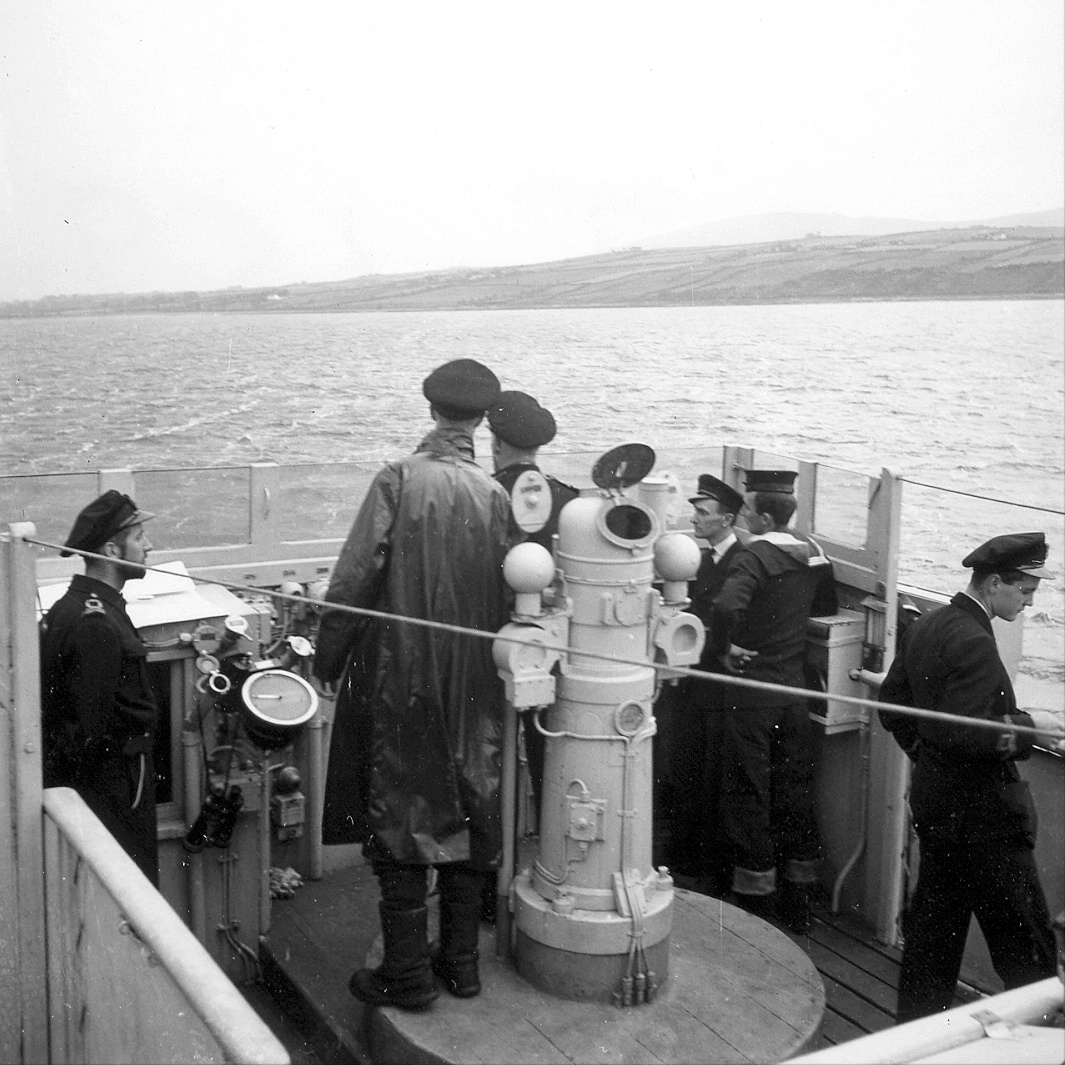
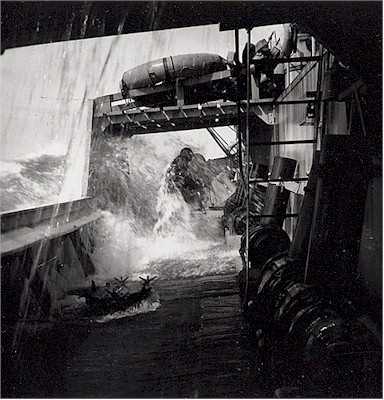
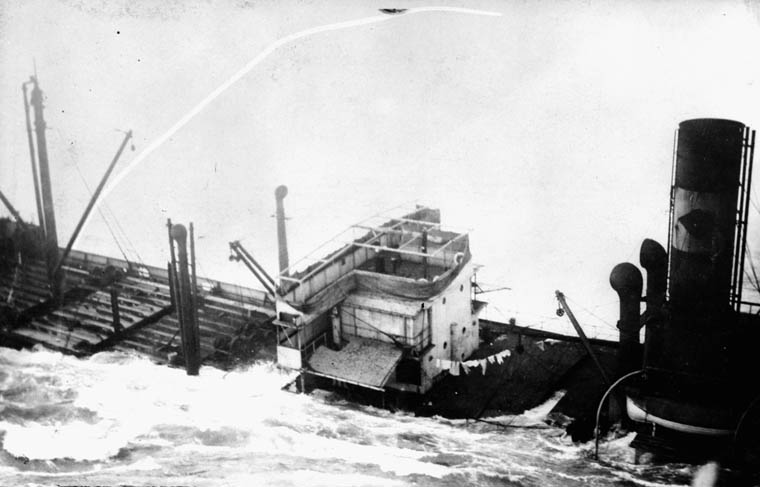
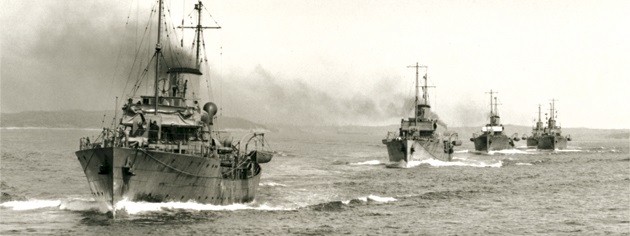
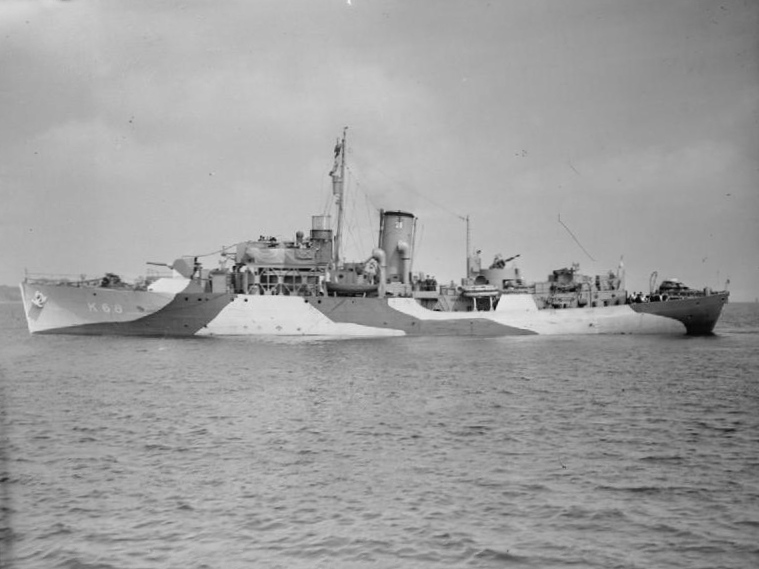
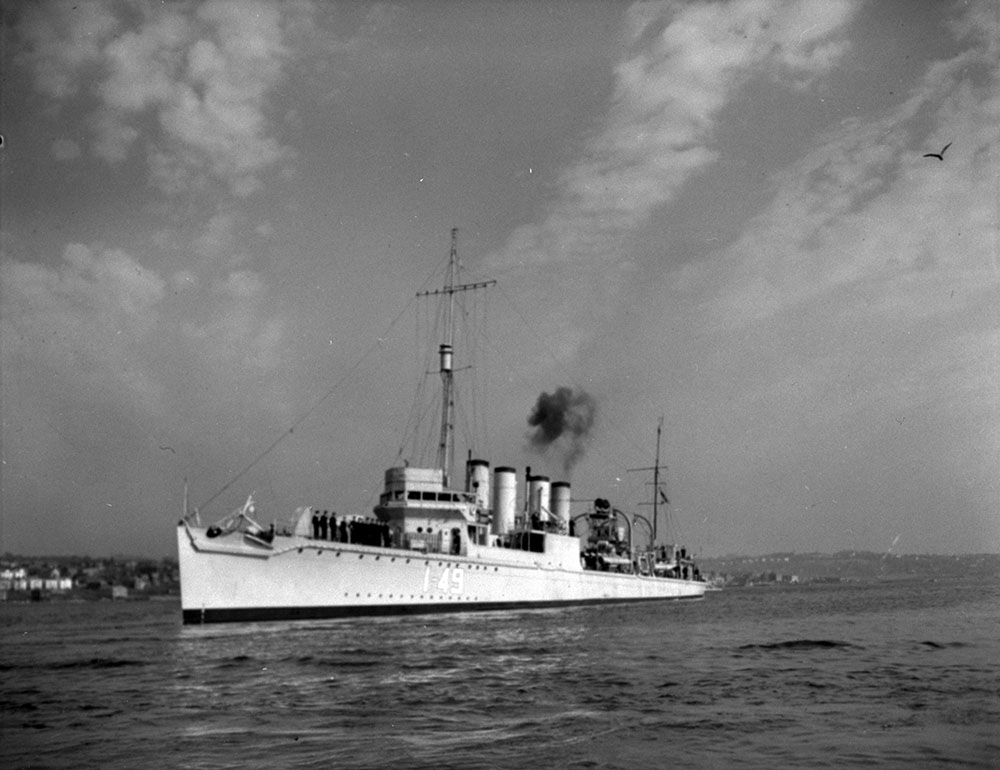
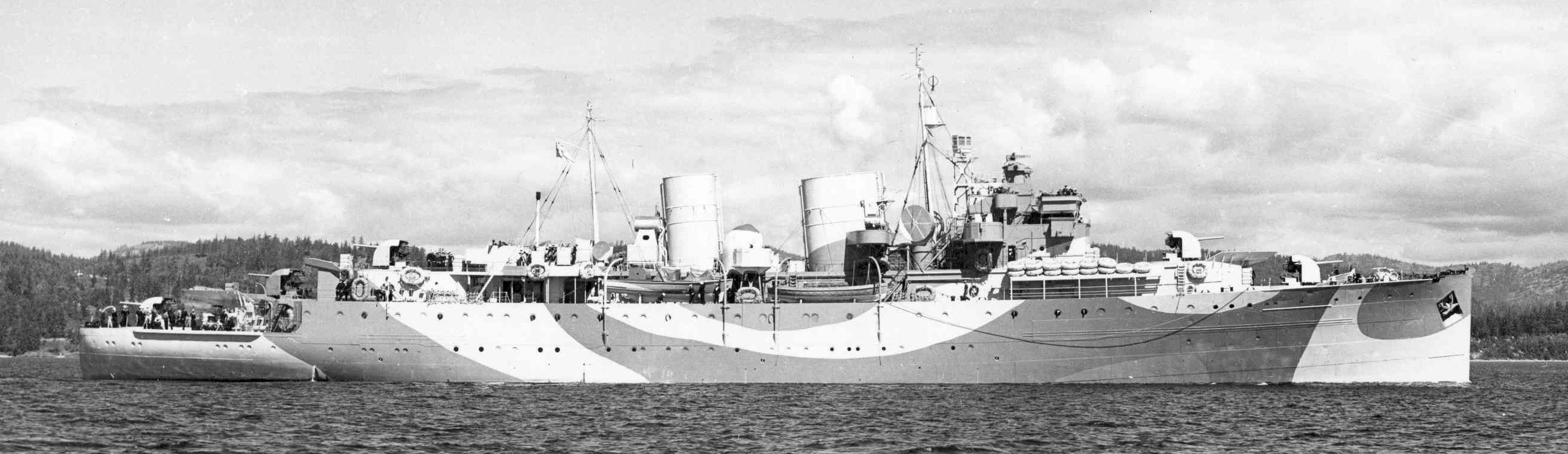
Know Your Ship #50 – C and D Class Destroyers – HMS Crescent & Diana, HMCS Fraser & Margaree

Filed under: Britain, Cancon, History, Military, WW2 — Tags: , , — Nicholas @ 02:00

iChaseGaming
Published on 10 Sep 2018

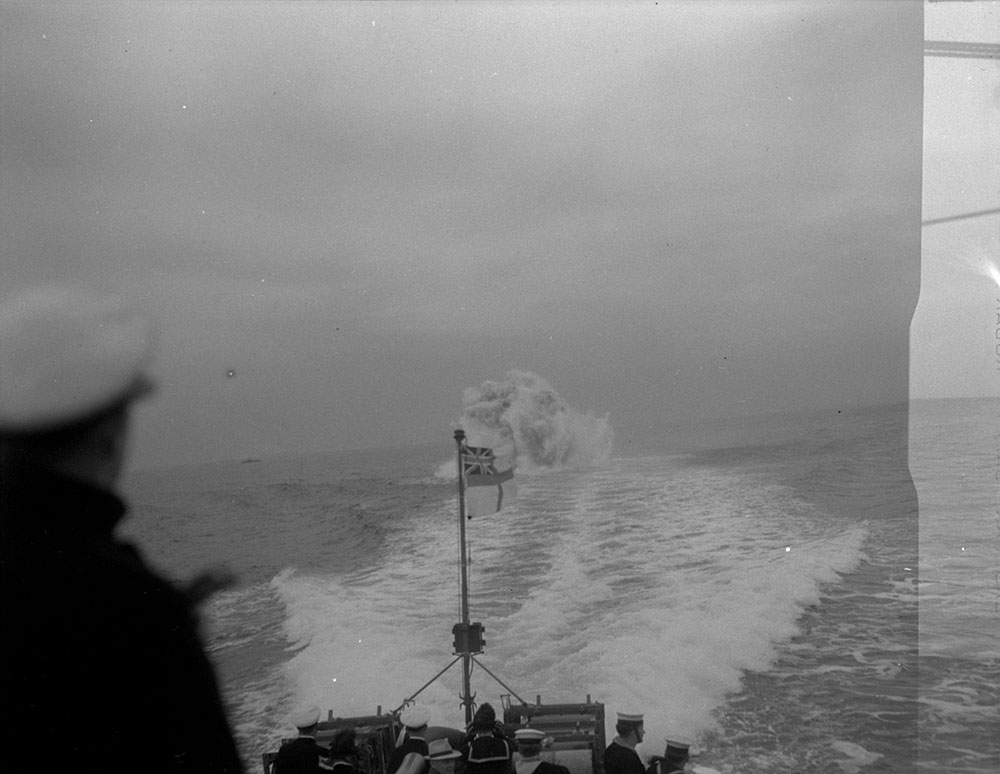
A Know Your Ship episode talking about C & D class destroyers, in particular HMS Crescent and Diana and their later service as part of the Royal Canadian Navy HMCS Fraser and Margaree. Enjoy!

October 4, 2018

Prairie Gun Works Timberwolf: British Trials Sniper Rifle

Filed under: Britain, Cancon, Military, Technology, Weapons — Tags: , , — Nicholas @ 02:00

Forgotten Weapons
Published on 26 Sep 2017

Armament Research Services (ARES) is a specialist technical intelligence consultancy, offering expertise and analysis to a range of government and non-government entities in the arms and munitions field. For detailed photos of the guns in this video, don’t miss the ARES companion blog post:

http://armamentresearch.com/north-ame…

The Timberwolf is a bolt action precision rifle made by Prairie Gun Works of Manitoba, Canada. It was initially made as a commercial rifle in a number of different calibers, and in 2001 it won Canadian trials to become the C14 Timberwolf Medium Range Sniper Weapon System (replacing the C3A1 Parker-Hale 7.62 NATO rifle previously used in that role).

The Timberwolf was also tested by the British military, and the one we have in today’s video (courtesy of the Shrivenham Defense Academy) is serial number UK001; the British trials rifle. It was not adopted, and the British opted to continue using Accuracy International bolt action rifles for its snipers.

In both the Canadian issue configuration and the British trials version, the rifle is chambered for the .338 Lapua Magnum cartridge, allowing a longer supersonic range than 7.62mm NATO.

http://www.patreon.com/ForgottenWeapons

If you enjoy Forgotten Weapons, check out its sister channel, InRangeTV! http://www.youtube.com/InRangeTVShow

October 3, 2018

Quebec election results – Coalition Avenir Québec (CAQ) majority

Filed under: Cancon, Politics — Tags: , , , , — Nicholas @ 05:00

Global News rounds up the final poll results from Monday’s Quebec election:

After a 39-day election campaign, voters in Quebec headed to the polls Monday and elected the Coalition Avenir Québec (CAQ) to power.

The CAQ, headed by François Legault, won a majority of seats delivering a crushing blow to the Quebec Liberal Party, who had held power for 13 of the last 15 years.

The CAQ was elected in 74 of the province’s 125 ridings, compared to 32 for the Liberals.

The Parti Québécois (PQ) suffered a double blow going from 28 seats to 9 and is once again without a leader, after Jean-François Lisée announced he was stepping down after losing his riding of Rosemont.

I really haven’t been following Quebec politics at all, so I didn’t know much about the CAQ’s stance on the issues. Here, cribbed from the Wikipedia page are some of their issues gleaned from the party platform (selective emphasis mine):

  • CAQ Leader François Legault has promised to reduce the tax burden of Quebecers. A CAQ government, he says, will further harmonize school taxes across the province, a tax cut valued at $700 million.
  • A long-standing party proposal is to create a Quebec version of Silicon Valley, which they’ve dubbed “The Saint-Laurent Project”. It envisions turning the Saint-Lawrence Valley into a hub of innovation and entrepreneurship, with the collaboration of universities.
  • Hoping to eliminate tens of thousands of jobs from the province’s civil service.
  • As premier, Legault says he would temporarily reduce the number of immigrants Quebec accepts annually from 50,000 to 40,000.
  • To qualify for a Quebec selection certificate, the CAQ wants immigrants to pass a values and language test. Immigrants would also have to prove they have been looking for employment. Some experts have questioned the legality of the plan.
  • The party favours decentralizing health-care administration, while maintaining a universal free public health care system, Legault was quoted saying “The important thing is the universality of care. … I do not want more private. Our public [health care] is a jewel of Quebec.”
  • Like the PQ, the CAQ also vowed to renegotiate with the Quebec’s medical specialists in order to cut their compensation by an average of $80,000 per year. Legault believes the specialists will be open to striking a new deal.
  • Would overhaul the province’s longterm care system (CHSLDs) with a new network of smaller, more “humane” homes at an initial cost of $1 billion.
  • Wants to abolish school boards and replace them with service centres that would provide administrative support to schools. The party believes this would give schools greater autonomy and make the education system cheaper to run.
  • Wants to increase the mandatory age of staying in school to 18, to reduce the drop out rate.
  • Wants added homework help, extracurricular activities (sport and culture), additional funding for career guidance and tutors assigned to more vulnerable students.
  • The CAQ is also proposing to do away with progressive daycare pricing, though over a period of four years. All Quebec parents would be charged the same daily rate, regardless of their annual income.
  • Opposes the wearing of religious symbols, including the hijab, by police officers and others who wield coercive state power. The party would also ban school teachers from wearing religious symbols.
  • Would pass a “Secularism Charter” to reduce the scope of religious accommodations available to civil servants.
  • Calls itself nationalist. It wants more power for Quebec, but within Canada. Legault, a former PQ cabinet minister, has promised a CAQ government will never hold a referendum on Quebec sovereignty.
  • Legault wants to seek additional powers for Quebec, including control over immigration, increased fiscal capacity and a say in the nomination of Supreme Court justices. Some of these measures would require re-opening the Constitution.
  • Supports international greenhouse gas reduction targets and would promote “technological innovations to ensure their achievement”.

USMCA (aka son-of-NAFTA) – what’s the damage after all?

Filed under: Business, Cancon, Economics, USA — Tags: , , , , , — Nicholas @ 03:00

The most common sentiment from Canadian comments appears to be “meh, it could have been much worse”. That doesn’t mean it’s particularly good, either:

All that cross-border yelling, a solid year of bluster and petulance, dire rhetoric about “stabs in the back” and “special places in hell,” fake deadlines and all-night negotiations, and we end up with pretty much the agreement we started with? All that was required to fix NAFTA, that destroyer of American jobs and pox on its prosperity, the deal Donald Trump memorably complained was “the worst agreement in history,” was to change its name — from North American Free Trade Agreement to US-Mexico-Canada Agreement? Seriously?

Not quite. The result is certainly a far heave from some of the more apocalyptic scenarios we had been entertaining ourselves with. But neither is it the largely unaltered “NAFTA 2.0” of much initial comment. There are substantive changes in there, most of them bad, and not all of them imposed by an overbearing U.S. on an unwilling Canada.

Still, it’s not quite the conflagration we’d been banking on, is it? Trump is the bully in middle school who threatens to take your lunch money, only to settle for a half a slice of your pizza. Or, in this case, 3.6 per cent of it.

That’s the share of the Canadian dairy market to which the U.S. will now have tariff-free access, a slight advance on the 3.25 per cent market share the U.S. had negotiated under the Trans Pacific Partnership — before Trump withdrew from it. (Oh, and “milk price classes 6 and 7” are eliminated, for fans of that dispute. It involves skim milk solids.) There are also some minor increases in tariff-free imports in the other supply-managed sectors: eggs, chicken, cheese and so on. Everything else will face the same triple-digit tariffs, as before.

That’s unfortunate. Supply management is a blight on the Canadian political and economic landscape we could well do without. The NAFTA re-negotiations were an ideal opportunity to bargain it away, as it should have been in the original NAFTA. That it remains more or less intact — even the dairy lobby could manage only a half-hearted jeremiad of imminent lacto-doom in response — is one of the chief disappointments in this agreement.

Still, what did you expect? There was never any chance of these negotiations resulting in a deepening and broadening of NAFTA — not with protectionists on both sides of the table. The only question was whether the status quo protectionists on this side — who wished to preserve all of NAFTA’s existing exemptions — could hold out against the expansionist protectionists on the other, who wished to cut NAFTA into little mercantilist pieces. As it turns out the answer is: surprisingly well.

A quick summary of the winners and losers in this agreement:

Is this a free trade agreement?

No. Unlike NAFTA, this latest agreement makes no pretense to be about free trade (or even freer trade). It’s a protectionist agreement imposed by the U.S. on the other two countries.

Who benefits from the agreement?

The primary beneficiaries of the agreement are labor unions, U.S. dairy farmers, U.S. drug manufacturers, and companies that provide automation for manufacturers (e.g., robot makers).

The agreement will require at least 30 percent of cars (rising to 40 percent by 2023) to be made by workers earning $16 an hour. This will force more cars to be produced in the U.S. and Canada since the typical manufacturing wage in Mexico is only about $5 per hour. The agreement also requires Mexico to make it easier for workers to form unions, which will make them less competitive against more productive unionized workers in the U.S. and Canada.

U.S. dairy farmers will also gain greater access to the Canadian market. Because of new restrictions on how much dairy Canada can export, there is the potential for U.S. dairy to gain a greater market share in foreign countries.

U.S. drug companies will also be able to sell pharmaceuticals in Canada for 10 years (rather than eight) before facing generic competition.

Because the agreement makes human labor in the three countries somewhat more costly, companies that create robots and other automation will likely be the long-term beneficiaries.

Who are the biggest losers in this agreement?

As with almost all protectionist trade agreements, consumers are the ones who will be hurt the most.

As the Washington Post notes, economists and auto experts think USMCA is going to cause car prices in the U.S. to “rise and the selection to go down, especially on small cars that used to be produced in Mexico but may not be able to be brought across the border duty-free anymore.”

Because the restrictions on Canadian steel and aluminum also remain in place, businesses that use those materials in manufacturing will pay inflated prices, and their products will be less competitive on the global market.

October 1, 2018

The rebirth of Quebec separatism?

Filed under: Cancon, Politics — Tags: , , , , , — Nicholas @ 05:00

Conrad Black wants to provoke clinical depression in anyone who was around for the last round of Quebec separatism, and warns that we’ve been ignoring the issue while it’s been reviving in La Belle Province:

Canada is very late and very laconically beginning to consider the implications of the Quebec election on Oct. 1. If, on Monday night, as polls indicate, 40 per cent of Quebecers have voted for overtly separatist parties (Québec solidaire and the Parti Québécois) and 30 per cent for a party that declines to say separation is undesirable, only that it will not hold a referendum (Coalition Avenir Québec, or CAQ), no one should imagine that this is not a threat to this country. I have written here before that Canada would regret the refusal of Stephen Harper and Justin Trudeau to discuss methods of reintegrating Quebec into the Constitution, which would not have solved the problem permanently, but would have greatly strengthened federalism.

The issue of separatism appeared to die, but that is the nature of Quebec nationalism: it never dies, it just becomes comatose for a time. And though almost no one yet describes this Quebec election in these terms, the governing Liberals of Premier Philippe Couillard seem to be about even at 30 per cent with François Legault’s moderate left, constitutionally ambiguous CAQ. Legault was long an explicit separatist, and has not renounced that view (and his wife, Isabelle Brais, thinks English Canada has no culture and should have no status in Quebec). The Quebec Liberal party, like the British Columbia Liberal party, is really a Liberal-Conservative coalition. It governed very efficiently these past four years, but became an ecologically obsessed and eccentric regime. While it retains the support of most of the non-French, it is now pulling only a very unfeasible 17 per cent of the French Quebec vote.

Though the CAQ has been slipping, it has been losing ground to Québec solidaire, a rabidly separatist party that proposes immediate, unconditional secession. It is led by a declared Marxist who opposes the right of the State of Israel to exist, and, astonishingly, it may hold the balance of power in the National Assembly. It threatens to pass the original separatist PQ of former premiers René Lévesque, Jacques Parizeau and Lucien Bouchard, which hasn’t changed its tune but is whistling it more softly. The independence of Quebec has not been much raised in the campaign, but the implications of the emerging voting patterns assure that it will re-emerge.

And no discussion of the separatism question is complete without at least a nod in the direction of the Charlatan Accord:

The Charlottetown agreement on a substantial decentralization, put to a countrywide referendum in 1992, was defeated by 54 per cent of Canadians, though it had been approved by the federal parliament and all the provincial legislatures. Bouchard, Mulroney’s most prominent Quebec MP, deserted the government, founded the separatist Bloc Québécois, and led the 1995 referendum campaign in Quebec after Parizeau was elected premier. It was a slightly more explicit separatist question than Lévesque had posed 15 years before. Chrétien was over-confident, mishandled the campaign, and gave a slightly panic-stricken appeal to Quebec voters on referendum-eve. It was 50.6 to 49.4 per cent for the federalists, a clear separatist victory for the French Quebecers, and the turnout was 93.4 per cent.

Chrétien somewhat redeemed himself with the Clarity Act of 1999, based on the results of a Supreme Court referral, which held that any secession had to be on the basis of a substantial majority supporting a clear referendum question to secede. (I was one of those who urged that the Act also provide that any county in a seceding province that had voted not to secede and was contiguous to another province, should secede from the province and remain in Canada. My precedents, though I never got to cite them, were West Virginia and Ulster.) Lucien Bouchard lost interest in the idea of independence, and the Liberal party has governed in Quebec for 13 of the past 15 years. The present premier, Couillard, is the most unambiguously federalist Quebec premier since Jean-Jacques Bertrand in 1970, and it will not be long before he is missed by those in Ottawa who declined to discuss these issues with him. If he is out on Monday night, Couillard’s successors will blow a cold wind on Ottawa and across Canada just as the Trudeau government appears to be set to break up the relationship with the United States, and our automobile industry prepares to repatriate to the U.S. Justin might do better as the next leader of the Quebec Liberals.

« Newer PostsOlder Posts »

Powered by WordPress