… The truest reason I love The King’s Head is that William Cobbett once gave a lecture there: an event commemorated by a nice print on the wall of the man — in red jacket, white britches and black boots, all properly Georgian — and a bit of accompanying biographical text.
Cobbett was a scrapper on the same majestic scale as our Henry V and our Horatio, except he dished it out to Vested Interest rather than Jean-Pierre Foreigner. He is the faded star of the British Awkward Squad (Capt. Jon. Swift; Vice Capt. Geo. Orwell) and he needs a boost. He needs a blue plaque on every place he ever visited. In his long life — he was born in 1763 and died in 1835 — Cobbett was a farmer, Tory, soldier, Radical, MP, agony uncle (his books include Advice to Young Men), and the founder of Hansard.
His obituary in The Times, after categorising him as a “self-taught peasant”, declared Cobbett “by far the most voluminous writer that has ever lived for centuries”. The funniest, too: when some town council somewhere banned his anti-Malthusian play Surplus Population, he riposted with a drama entitled Bastards in High Places.
Above all, though, Cobbett was the champion of the rural poor, the village labourer and the small farmer. He was their one true tribune. He spoke at The King’s Head in 1820 because country folk were suffering a triple wham from agricultural depression, enclosure and the rise of agri-business. Or, to precis, “Hodge” (his name for the generic farm worker) was low-waged or unwaged and deprived of the bits of land he had once enjoyed under commoner’s rights.
Cobbett railed against “The Thing” (the capitalist, manufactory system) and the centrifugal, corrupting force of smoky London (“The Wen”, in Cobbettian). But he was no bloviator: he was a farm boy, and hence entirely empirical and properly pragmatic. He spent a decade travelling around the English sticks to discover the true state of affairs. His descriptions of his horseback journeys were published in 1830 as Rural Rides, the first sociological study of the English countryside.
No dry-as-dust tome by the way, the Rides: it brims with pinned-to-the-specimen-board descriptions of people and places, nature, wit. Cobbett knew beauty and, the proper Englishman that he was, he loved horses:
The finest sight in England is a stage coach ready to start. A great sheep or cattle fair is a beautiful sight; but in the stage coach you see more of what man is capable of performing. The vehicle itself, the harness, all so complete and so neatly arranged; so strong and clean and good. The beautiful horses, impatient to be off. The inside full and the outside covered, in every part with men, women, children, boxes, bags, bundles. The coachman taking his reins in hand and his whip in the other, gives a signal with his foot, and away go, at the rate of seven miles an hour.
One of these coaches coming in, after a long journey is a sight not less interesting. The horses are now all sweat and foam, the reek from their bodies ascending like a cloud. The whole equipage is covered perhaps with dust and dirt. But still, on it comes as steady as the hands on a clock.
Speaking at The King’s Head coaching inn in Monmouth must have been the dream gig for Cobbett the horseman.
John Lewis-Stempel, “Why Britain needs a peasants’ revolt”, UnHerd, 2020-08-06.
April 10, 2026
QotD: William Cobbett
March 30, 2026
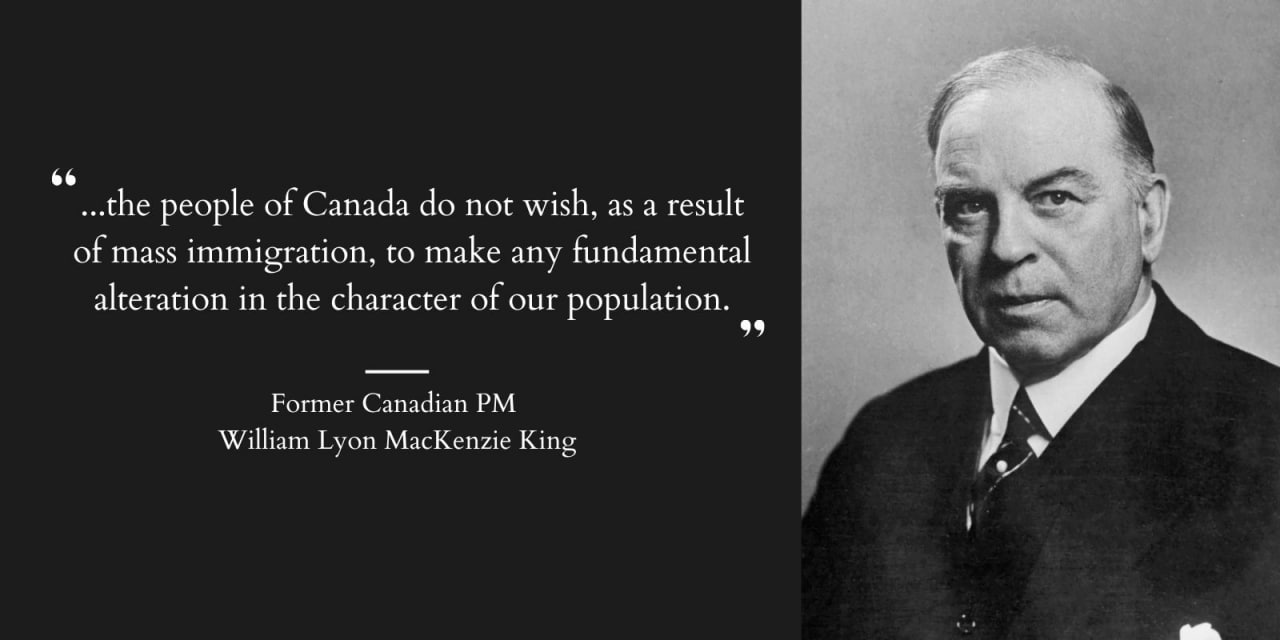
Net Zero or mass immigration, pick one (or better, pick neither)
Lorenzo Warby points out the blindingly obvious (to anyone with common sense) fact that the top two pet projects of western transnationalist elites — Net Zero and mass third-world immigration — are in direct conflict with one another. But rather than choosing one form of societal suicide over the other, the healthy alternative is to absolutely reject both:
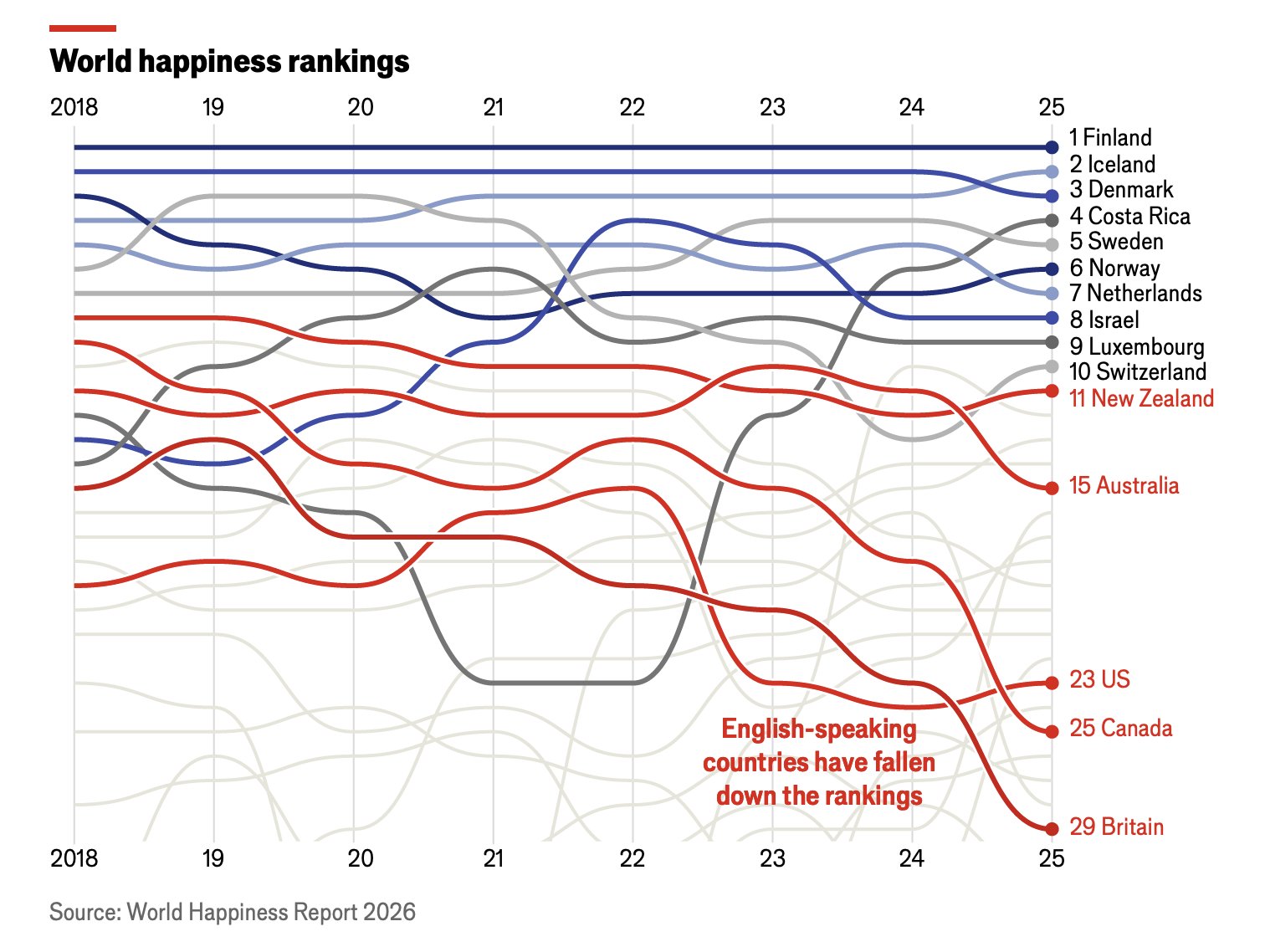
Culturally more homogeneous democracies are happier than more culturally diverse democracies. Also, in the Anglophone countries, where the centre-right won the most recent national election, happiness went up slightly. Where the centre-left won the most recent national election, happiness went down noticeably.
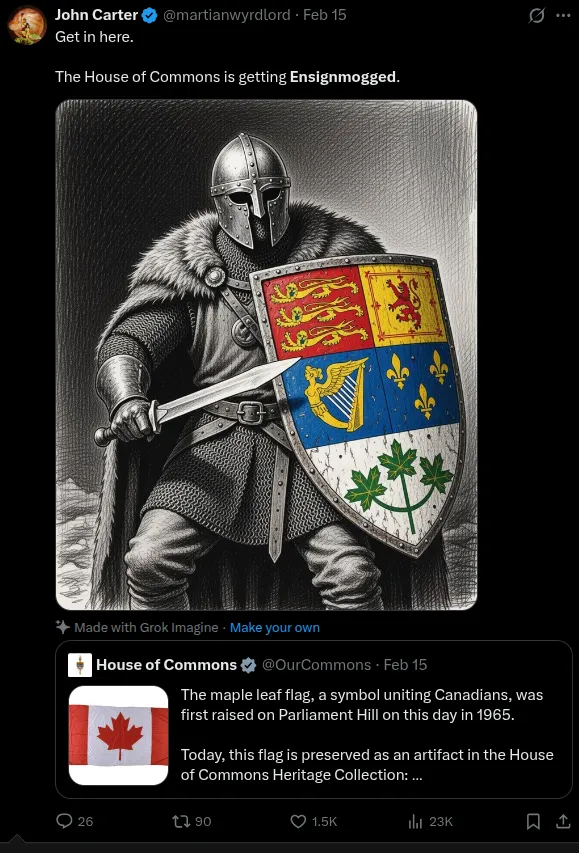
Australia is the latest developed democracy to experience conventional centre-right politics being threatened by a national populist surge. Just as country-club Republicans were Trumped, Gaullists were Le Penned, Forza Italia was Melonied, and the Tories are being Faraged, so the Liberal-National Party Coalition in Australia is getting Hansoned.
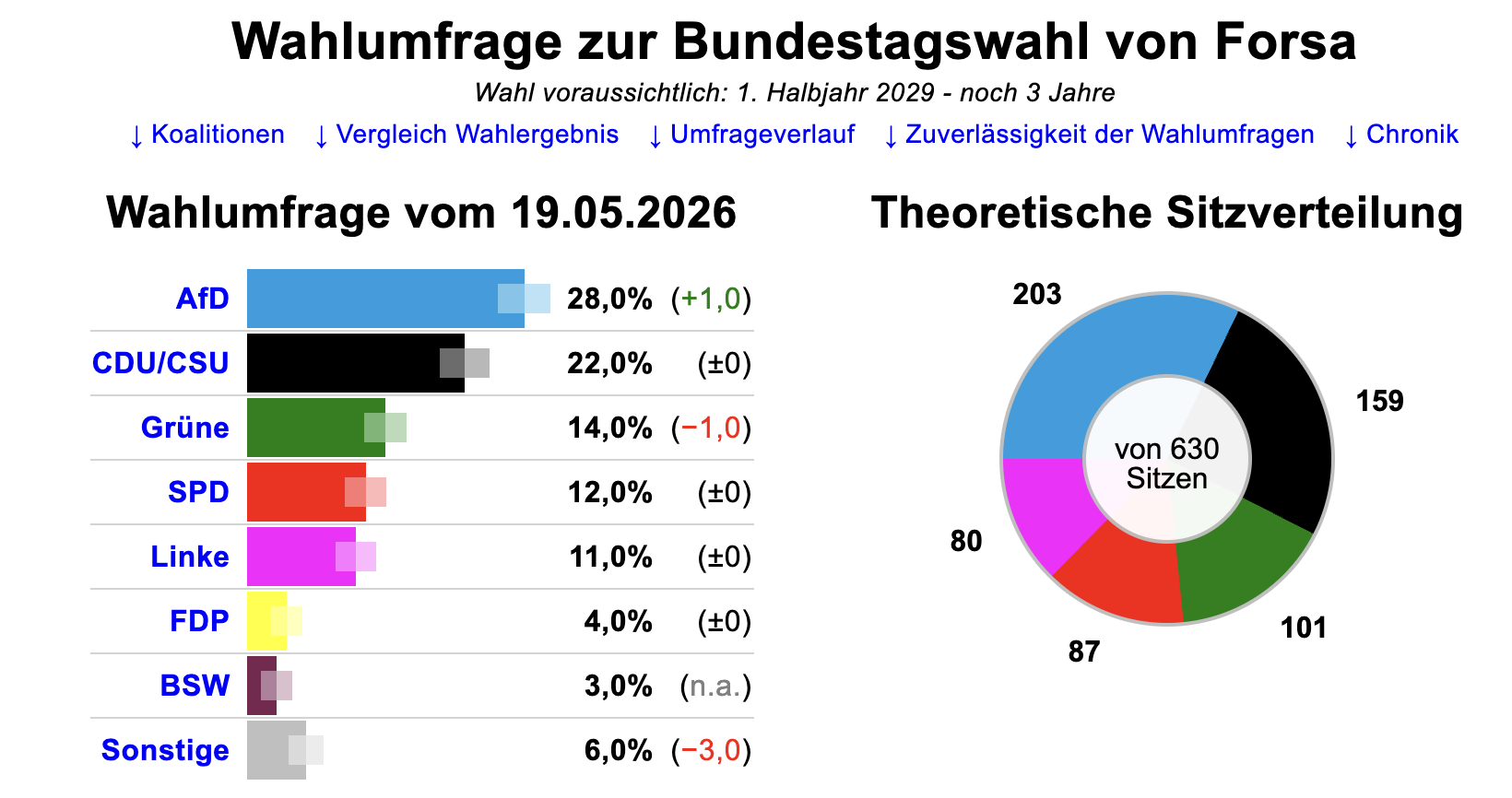
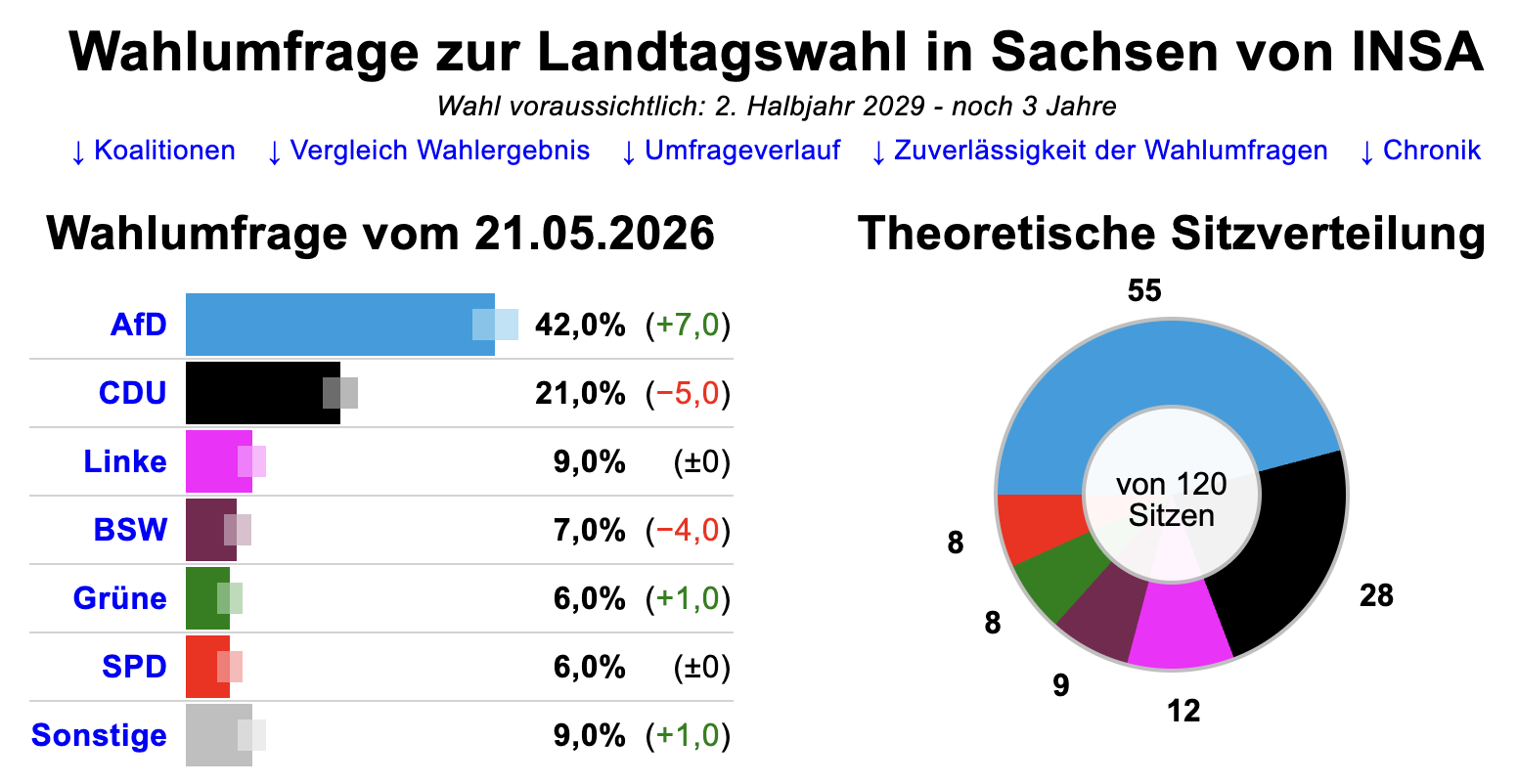
What Australia has in common with the pattern in the UK, and the rise of AfD (Alternative for Deutschland) in Germany, is the combination of Net Zero (or equivalent) with mass immigration leading to a national populist surge.
National populism well predates Net Zero. It does not predate the adoption of policies of elite display and elite benefit, particularly regarding immigration. The combination of Net Zero with mass immigration is, however, particularly conducive to surges electoral support for national populism, as we can see in the UK, Germany and now Australia.
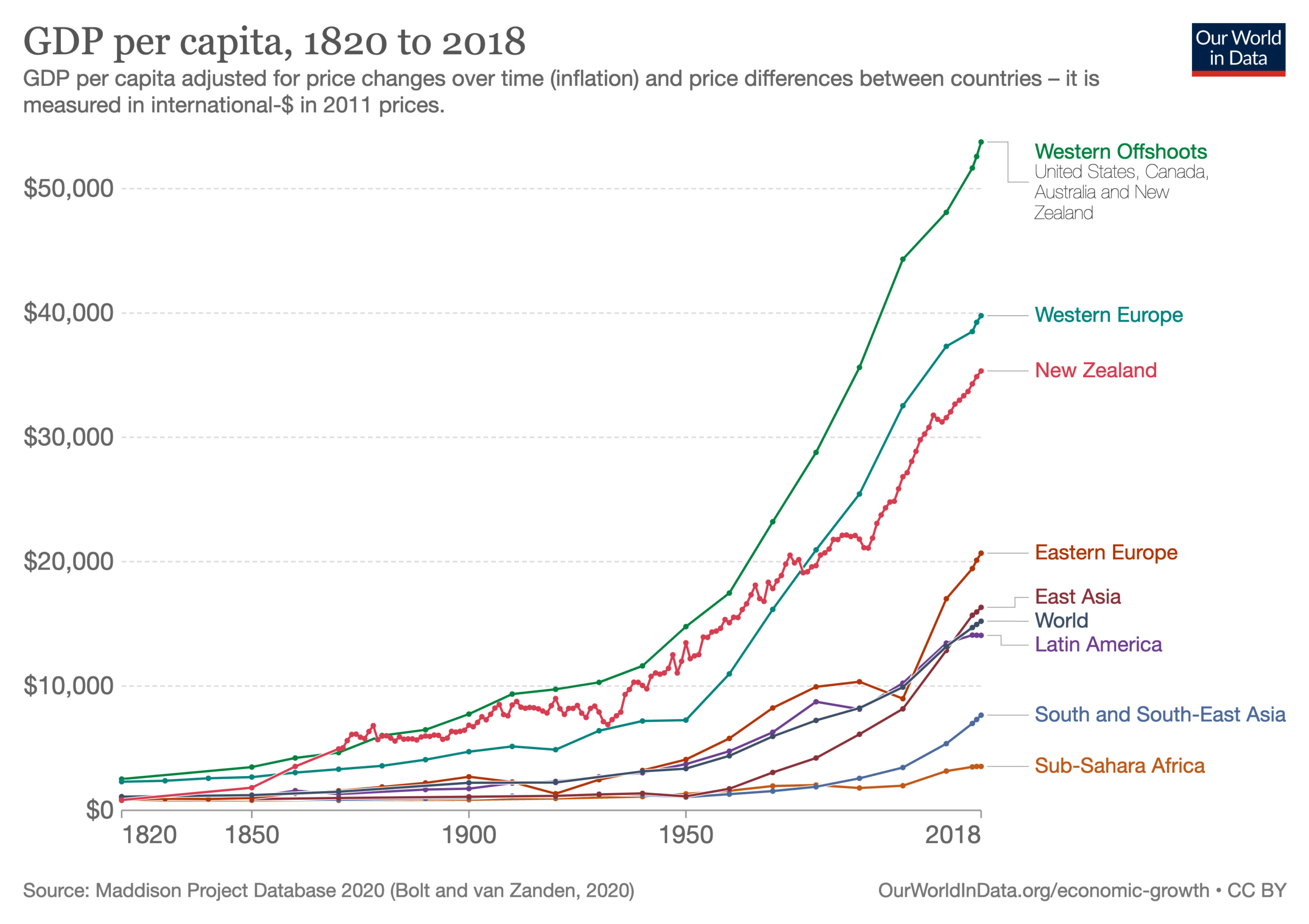
It is not hard to see why. Mass prosperity rests on cheap energy: that is much more important than, for instance, free trade. The Industrial Revolution is really the Mass Access To Cheap Energy Revolution. It is that access that is above all else responsible for The Great Enrichment.
As economic historian Jack Goldstone notes:
by 1850 the average English person has at his or her disposal more than ten times the amount of moveable, deployable fuel energy per person used by the rest of the world’s population.
Net Zero means raising the price of energy, thereby narrowing access to it, and, in particular, narrowing the range of economic activity that is commercially sustainable. Even without increasing the population, that will increase contestation over resources.
Add mass immigration to the mix, and that contestation becomes much worse. All the experienced costs of mass immigration — higher rents and house prices; increased congestion; downward pressure on wages and increased fiscal stress (if importing significant numbers of low-capital/skill immigrants); downward pressure on social trust and corrosive effects on the norms and rules that underpin institutions (if importing lots of people from very different cultures); increased crime (if importing significant numbers of people from higher crime cultures) — are then magnified.
February 4, 2026
Amelia, created by woke propagandists, is now the figurehead for the anti-woke
On the social media site formerly known as Twitter, John Michael Greer provides a quick thumbnail sketch of the Amelia story for folks who need to get caught up:
I’ve been watching the saga of Amelia from the far side of the Atlantic in a state of utter bemusement.
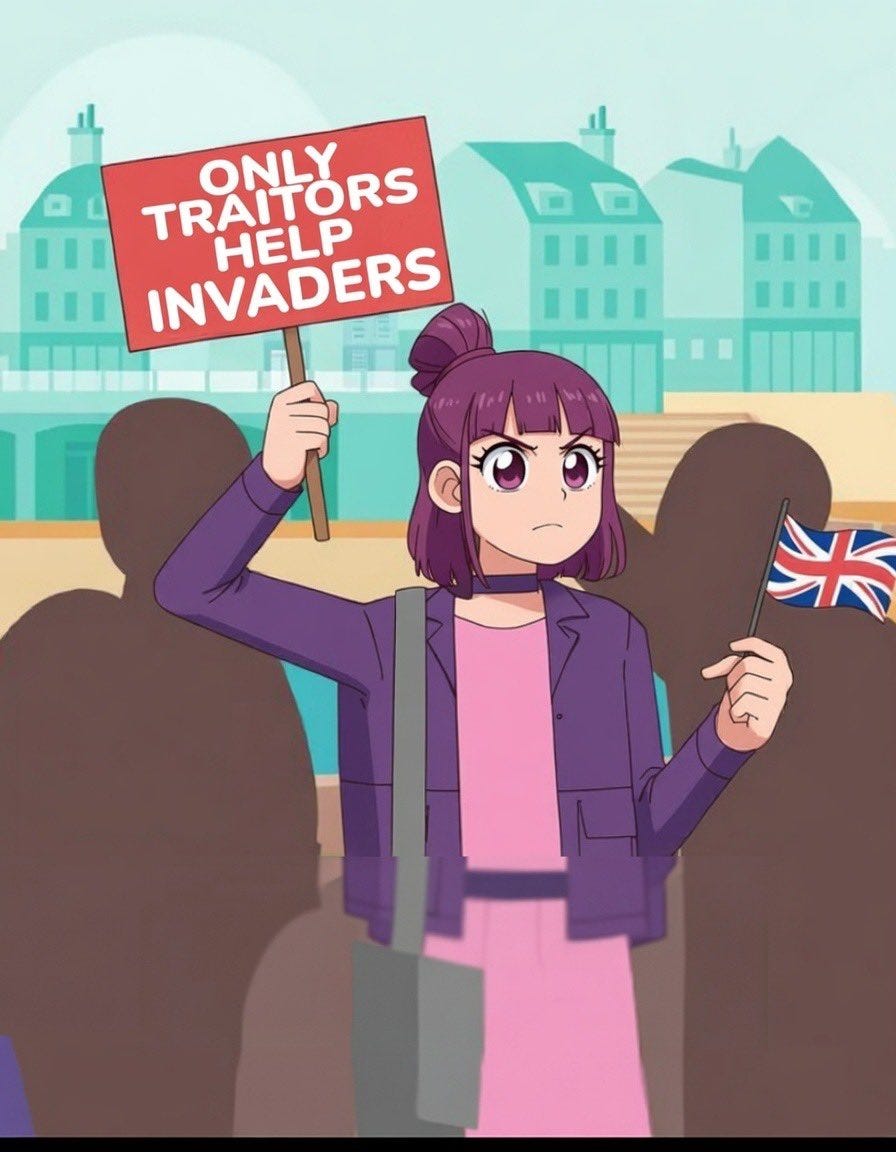
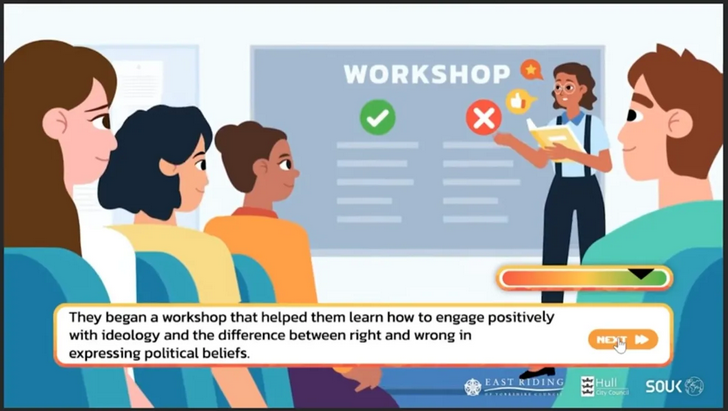
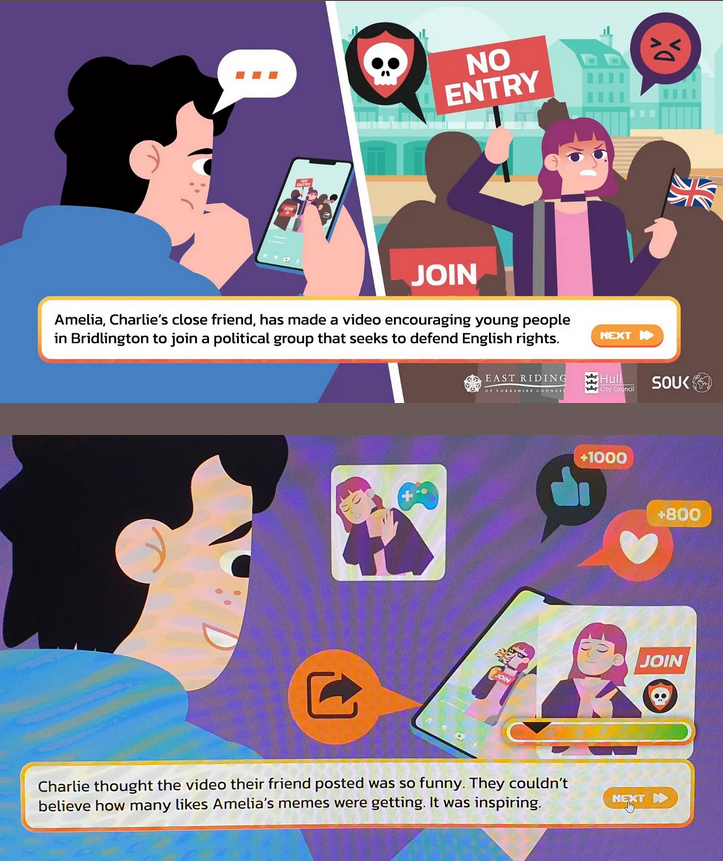
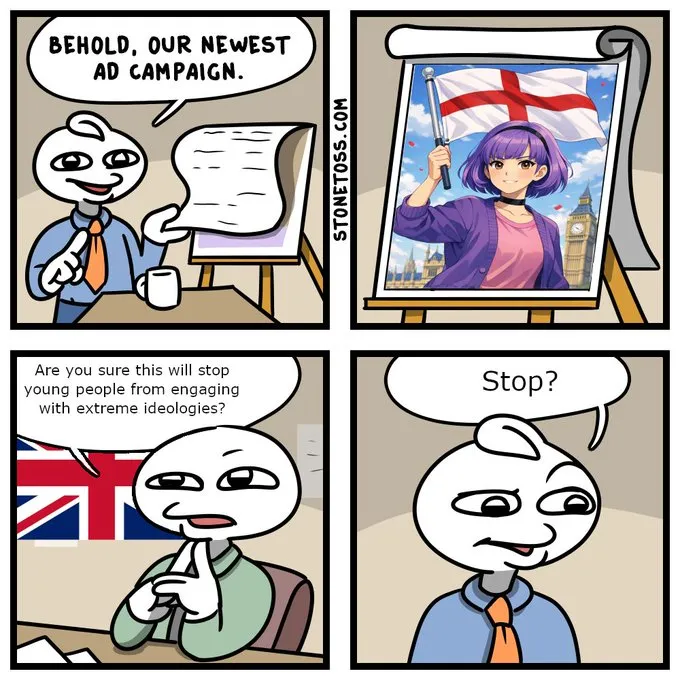
For those who don’t know the first act of the saga, the British government had some collection of flacks create a video game for British kids, which was designed to elicit “racist” (that is, patriotic and un-woke) statements from them — at which point the kids who fell for it would be reported to the police for, erm, reeducation. (I wish I was making this up.)
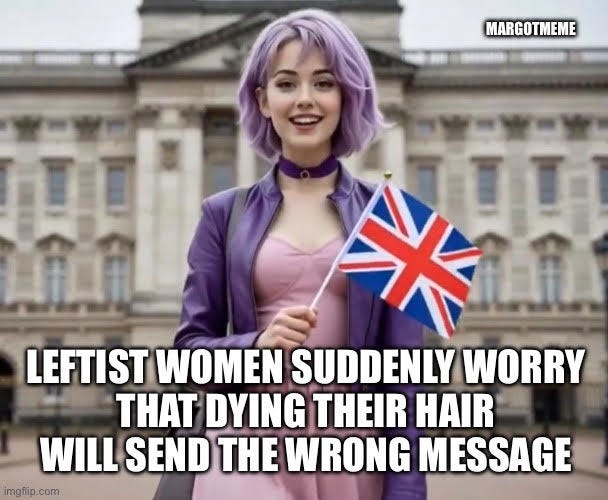
Amelia was a cartoon figure who was supposed to mouth allegedly racist slogans, and they gave her violet hair because they thought that would annoy right-wingers, who make jokes about women with dyed hair.
Ponder the immeasurable stupidity of the flacks who put nationalist and patriotic slogans in the mouth of the kind of cute female figure who would have most teenage boys reaching into their trousers on the spot. Of course these same teenage boys instantly hijacked her and turned her into a mascot, just as they did with Kek back in the day. Of course these same teenage boys, being far more computer-skilled than government flacks, started doing LLM-generated videos of Amelia speaking out in favor of nationalist and patriotic ideas.
Of course everybody in Britain who’s sick and tired of the Starmer government and its woke doctrines embraced Amelia as their latest heroine, not least because the Guardian‘s foam-flecked fury when she’s mentioned is so entertaining to watch …
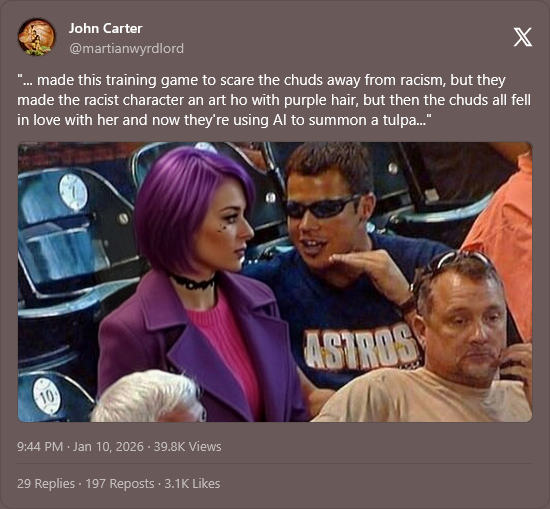
And then, as with Kek, things got weird. We’re still in the early stages of the weirdening but it would not surprise me a bit to find that just as a cartoon frog ten years ago became the vessel through which an archaic Native American deity manifested and sent the US spinning down an uncharted path, a purple-haired waifu may just become another such vehicle.
Britain used to have quite a collection of war goddesses, back in Celtic times. I’m curious, not to mention apprehensive, to see just who’s taking this opportunity to stream back into manifestation.
January 29, 2026
“The meme works because Amelia has perfectly normal, mainstream opinions”
On the social media site formerly known as Twitter, The Little Platoon responds to a lamestream media report on the Amelia phenomenon:
This story was quite funny enough before it got noticed by the rickety old goblin creatures of the mainstream media.
Amelia is not a “purple-haired AI goth girl”, she is a government-created videogame character designed to teach kids that “liking the national flag” and “attending protests where that flag might be seen” makes you a potential terrorist.
That really was the extent of it. The game she comes from is extremely non-specific about the content you’ve been radicalised by. At no point do you think, “yes, I can see why this was terrorist behaviour”.
The actual storyline is not a million miles away from Winston Smith and Julia in Nineteen Eighty-Four.
So the effect is: you have this totally normal opinion that most people have? You’ve been seduced by Amelia and now the Hijabi Hero (IRONY) at Prevent is going to send you to jail.
Amelia hasn’t been “hijacked by the far-right”, she’s just a textbook example of Death of the Author.
The government wanted to have her demonstrate the dangers of online radicalisation. But because this is the British government, they made it seem cool, justified, and you’ll probably get a hot goth girlfriend out of it.
The meme works because Amelia has perfectly normal, mainstream opinions.
She can say “I like pork sausages and dogs”, like roughly 98% of British people, and this will send a certain sort of person — the government, the Anti-Extremism Lead at Generic NGO — into a full-on panic attack.
It’s about the disconnect between the values of the government and those of the people they govern. The joke is that Amelia could ever be considered “Far Right”.
(Ironically, the interviewee in this clip is just as AI-coded as the actual AI clip they play. He’d probably require fewer tokens to generate.)
Meme coins remain extremely cringe, however.
At The Hungarian Conservative, Joakim Scheffer discusses the reaction of the caught-flat-footed mainstream media as their attempts to downplay Amelia’s impact serve to increase interest and attention:
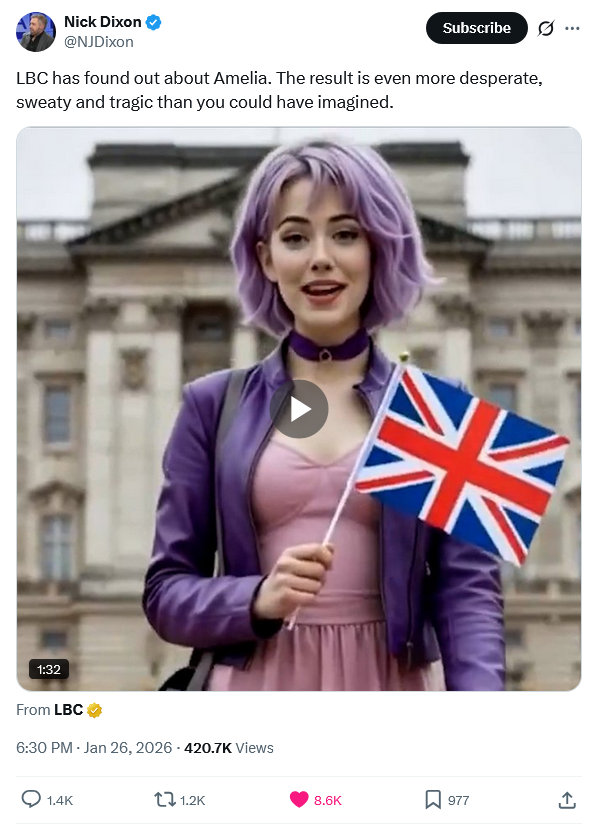
British outlets The Guardian and LBC published strikingly similar articles about Amelia in recent days, both concluding that the purple-haired goth girl, who stands against mass migration and in favour of traditional British values and culture, is, in fact, racist and fuels hatred.
The Guardian introduces Amelia as a girl “who proudly carries a mini Union flag and appears to have a penchant for racism“, before lamenting the “plethora of increasingly sophisticated AI-generated iterations” of her, including “real-life” encounters between Amelia and movie characters, “accompanied by racist language and far-right messaging”.
Since her “birth”, Amelia has indeed become increasingly popular. From an average of around 500 posts a day when she was first introduced, the figure rose to roughly 10,000 daily posts starting on 15 January, when the meme broke through to international audiences. Amelia has since reached the highest levels of the right-wing internet ecosystem, even being reposted by Elon Musk himself.
January 27, 2026
Amelia was not created by the “extreme right”
On the social media site formerly known as Twitter, A View From Yorkshire points out that the media coverage of the Amelia phenomenon often leaves the audience with the impression that Amelia was created by some far right extremists, which clearly isn’t true:
Let’s nuke the myth properly.
Amelia was not “created by the far-right”.
She was created by the British state, funded by taxpayers, in a government-approved anti-extremism game for teenagers.Her crime?
Questioning mass migration.
Talking about British values.
Suggesting borders, culture and continuity might matter.In other words: centre-right, mainstream opinions held by millions of normal people.
The media response?
SCREAMING, CRYING, THROWING UP:
“FAR-RIGHT!”
“RACISM!”
“DISINFORMATION!”Even the game’s own creators admit the game does not say questioning mass migration is wrong — yet journalists still foam at the mouth like Pavlov’s interns because the spell didn’t work.
Here’s the truth they hate:
Amelia didn’t get radicalised.
She got recognised.People saw a perfect accidental parody of how the establishment treats ordinary dissent:
If you question orthodoxy, you’re not wrong — you’re dangerous.
If you wave a Union Jack, you’re not patriotic — you’re extreme.
If you ask questions, you need monitoring.So people did what the internet always does when power looks stupid:
They laughed.
They memed.
They stripped the moral panic naked.Now we’re told there’s a “highly coordinated hate network” behind it all.
Sure. Or maybe — stay with me —
people are done being lectured by institutions that despise them.A cartoon goth girl didn’t expose extremism.
She exposed how fragile the narrative really is.If a meme breaks your ideology,
your ideology was already on life support.
The Amelia memes do seem to be getting under the skin of certain members of the government:
Amelia is a girl of many talents:
Epochalypse
Published 24 Jan 2026An absolutely beautiful song covered by Amelia ❤️
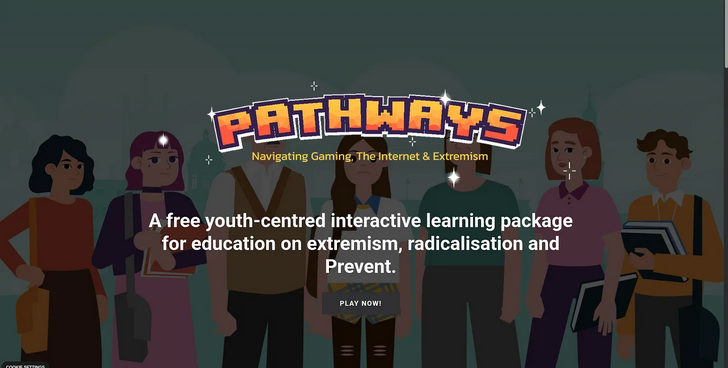
A UK anti-extremism educational game called Pathways, faced significant public and media backlash.
The game, developed by SOUK in coordination with the Hull City Council and East Riding of Yorkshire Council, was designed to educate students about the dangers of online radicalization.
How the Game Backfired
Antagonist’s Popularity: The game’s primary antagonist, a teenage girl with purple hair named Amelia who held nationalist views, was intended as a cautionary figure. However, she was ironically embraced by some online communities and became a viral meme, with users finding her “goth baddie” design and character more interesting and relatable than the non-binary protagonist, Charlie.
Criticism of Content: The game was widely criticized by media outlets, including The Telegraph and The Spectator, as “clumsy” and “overtly manipulative”. Critics argued that the game effectively suppressed free speech by suggesting characters who questioned immigration policies should be reported under the UK government’s “Prevent” counter-terrorism strategy.
Portrayal of “Research”: The game’s narrative structure suggested that “researching” information online could be harmful, as it might lead to “intaking a lot of harmful, ideological messages”, which also drew criticism.
Ultimately, the attempt to create an effective anti-extremism tool had the opposite effect in many online circles, with its intended villain becoming an ironic symbol for anti-illegal immigration sentiment.
#amelia #pathways #memes #patriotism
Kimberly Steele disgrees with the characterization of Amelia as a “tulpa” (which I think I first saw advanced by John Carter at Postcards From Barsoom) and argues that she’s actually an “egregore” instead:
In rides fantasy Amelia to the rescue, a digital Joan of Arc to galvanize the lumpen male proletariat into action against leftist groupthink oppression. Her flame burns hotter than the tradwife because she is not a deferential, docile, opinionless mirage waiting for her man to do all the the heavy lifting. Instead of modeling crusty tropes from the 1950s in a housedress, she mouths off to Mohammed in a miniskirt. She champions sensible norms that middle aged people like me took for granted back in the day. She is an advocate of schoolgirls being able to walk down the streets of Liverpool without being acid attacked or drug into fenced areas to be assaulted. She suggests Britain is for the British and that it should not be handed over to the same hordes that have been trying to overrun it since before the Middle Ages. She suggests that men on all sides rise up and outgrow Puer Aeternis — to the invaders, she insists that they cease their infantile dependence routines and go back and fight for their own country on their own soil. To the white native islanders, she suggests they grow a set and defend their nation while it still stands. Nothing that Amelia wants or espouses is extreme. She is a middle-of-the-road pundit who could run for office on a moderate platform (or what used to be considered moderate in my day before everything in the middle was categorized as far-right) and win. She’s not exactly Hitler, no matter what the leftie pearl clutchers claim.
If only she was real. Amelia has been called a tulpa, which is a Buddhist term for a thoughtform that is forced into existence and made to do tasks, much like a Jewish golem without the clay and awkwardness. I don’t think Amelia is a tulpa. She is nobody’s bitch and she was not created on purpose. Instead, Amelia is an egregore. Imagine your old school mascot was a giant, anthropomorphized tiger. Perhaps there was a person who dressed up as a big, striped cat for games every now and then. Now imagine that your mascot became extremely popular across the world and every sports team adopted him as their mascot too. Now imagine that your big tiger began appearing randomly in the nightly dreams of people who were very into sports, and then after a few years, non-sports fans. Tiger fan fiction was inspired by the egregore. Tons of giant tiger merch was sold both at games and in regular stores. Imagine if chick lit writers wrote ghastly bestiality porn about the giant tiger, and entire genres of tiger man erotica bubbled up online. You would begin to think perhaps there was consciousness behind the tiger man image, and if you did think such odd things, traditional occultists would take your side of the conspiracy theory.
An egregore is a shared image that gains its own consciousness. Any given novel’s character is essentially alive, gaining his/her/it’s own consciousness, ego, and world. […]
Amelia says what men cannot say, and it is good because she does it in a way that is unsquelchable and eternal. She is bad because she is yet another symptom of provisional living. On the plus side, she makes toxic liberal women super mad because unlike a real girl, they cannot tear her down or cast her out of the longhouse/take her ability to make a living away in order to force her compliance. She highlights all of their shortcomings without having to try, and that is why she will have much hate projected upon her. Their evil eyes gaze into the digital mirror. This force may be enough for them to completely self-destruct, given enough time and distance.
There are some men who see Amelia as some kind of savior. If you are one of them, let me assure you she is not going to save anyone any more than Pepe the Frog. If you want to save and be saved, please go outside. Be with the sky and the trees, and don’t feel you have to pick up a fishing pole, soccer ball, or a toolbox to be out there. When you do come back inside, instead of turning on the dopamine drip and immersing yourself in the antics of fantasy girlfriends or dreaming about invading Haiti, please use the internet to learn manly skills. My husband, whose father was largely absent before he divorced my husband’s mother when my husband was 12, taught himself nearly all of his considerable skills via books and the internet. If you are a visual learner, the internet holds a treasure trove of knowledge. For those would be warriors who are not currently serving or who will never serve in the armed forces, please go out and defend real girls on the streets from the monsters, creeps, and traffickers who make it impossible to feel safe as a female. Where are the men willing to watch the streets and to at least threaten various immigrant scum with retribution for their terrible behavior? Where are the volunteer neighborhood patrols that ensure women and children can walk to and from school without being harassed? In the stranger danger/Satanic Panic 80s, we had a thing called Neighborhood Watch where you would put a blue star in your window so any little kid who felt threatened could knock on the door and find a safe house. Where are the blue stars? Where are the boys with baseball bats? Go out there and defend your country. Do it for Amelia.
Update, 28 January: Welcome, Instapundit readers! Have a look around at some of my other posts you may find of interest. I send out a daily summary of posts here through my Substack – https://substack.com/@nicholasrusson that you can subscribe to if you’d like to be informed of new posts in the future.
January 24, 2026
January 17, 2026
January 7, 2026
QotD: Refuting “Limitarianism”
The visible edge of economic populism — the slogans, the soundbites — often conceals an intellectual iceberg beneath: ideas inherited from defunct economists, or sometimes living ones. One such idea with deep roots is limitarianism: the belief that there should be a cap on personal wealth.
Thomas Piketty defines it as “the idea that we should set a maximum on how much resources one individual can appropriate”. Its most articulate modern advocate is Ingrid Robeyns, whose recent book, Limitarianism: The Case Against Extreme Wealth, calls for a global wealth cap, which she suggests could be set around $10 million per person.
But limitarianism rests on an old intellectual error. An error common not only on the Left but even among some classical liberals too: the mistaken division between “production” and “distribution”. The assumption is that production happens through economic forces and that distribution is purely political, so policymakers can reshape who gets what without damaging how much is created.
This assumption leads to the view of the economy as a fixed pie. If one person has a large slice, others must go hungry. As Percy Shelley put it in Queen Mab (1813), “The rich have become rich by the toil of the poor … they increase in wealth by the misery of the workers”. While that may describe life under socialism, it misunderstands how wealth is generated in a capitalist system.
In capitalism, you can grow rich by making the pie bigger: creating products, companies, jobs and innovations that benefit not only yourself, but millions of others. This insight was first observed by French sociologist Gabriel Tarde, and later expanded by economists like Ludwig von Mises and Friedrich Hayek. Tarde noted how luxuries eventually become necessities. His example was forks and spoons, once the preserve of the wealthy, now found in every home.
For our generation, consider childbirth. Queen Anne had 17 pregnancies, yet none of her children survived to adulthood. Today, even the poorest families in developed countries can expect their children to live. This transformation wasn’t delivered by committees or redistribution. It was driven by the freedom of innovators to experiment, often starting with products only the wealthy could afford.
As Hayek wrote in The Constitution of Liberty:
What today may seem extravagance or even waste, because it is enjoyed by the few and undreamed of by the masses, is payment for the experimentation with a style of living that will eventually be available to many.
Mani Basharzad, “What Zohran Mamdani Doesn’t Understand about Wealth”, Foundation for Economic Education, 2025-09-30.
October 21, 2025
October 10, 2025
September 21, 2025
“What do you remember of the summer when the English awoke?”
In The Critic, David Shipley says that the rapid, visible rise in English nationalism is a new and positive thing in Britain:

“Union Jacks and crosses of St George” by Ben Sutherland is licensed under CC BY 2.0 .
What do you remember of the summer when the English awoke? The summer of arguments over what “English” means, hotel protests, and of “flagging”. Overnight the England flag was everywhere. On lampposts, on bridges over motorways, and even painted on roundabouts, the St George’s cross appeared, as a challenge to the old regime, and a threat, or promise, of something new.
For this is new, make no mistake. In my lifetime, England’s flag has only been seen in force during football tournaments and at the rugby. Political figures of the left have seized upon this novelty as they have tried to resist the challenge. The Green Party leadership candidate Ellie Chowns insisted that “it’s traditionally not part of British culture to hang flags”, while Zack Polanski, the party’s new leader, said he wouldn’t fly the flag outside of football tournaments because “of what it represents to people who worry about that problematic history”, before going on to say he’s “worried that we’re importing fascism”. Meanwhile John McTernan, former advisor to Tony Blair insisted that flag flying isn’t an expression of “national pride”, but rather “being used to other people” (my italics).
Notionally sensible centrists, The News Agents suggested that the flag should be redefined as representing “tolerance, liberalism, democracy and Shakespeare” and that would deter “right-wing thugs” from using it. The propagandists of the regime recognise that it is in danger, and seem to believe that “British Values” are enough to hold back the tide.
York Council went ever further, saying that flagging has “coincided with a rise in racist incidents” and have decided to remove hundreds of England and Union flags, to which York’s “Flag Force” responded by announcing they would promptly replace every flag which was removed.
England’s flag was everywhere at the hotel protests too — standing for resistance against a Westminster regime that continues to force migrants upon communities which do not want them.
At the end of the summer, as the Last Night of the Proms coincided with the “Unite the Kingdom” march, the flag divide could not have been wider. On the streets of London that Saturday a sea of Union and St George flags, while at the Albert Hall it seemed one could wave any nation’s flag but England’s.
A Times cartoon from July caught the year’s mood. It depicted a group of unthreatening families protesting, holding signs saying We’re not far right – we’re worried about our kids and Deport Foreign Criminals. Beneath them, buried in the earth lurks a bald, beefy man with H A T E tattooed on his knuckles, and Made in England alongside the red cross of St George tattooed on his shoulder. Here, in the favoured paper of the British establishment, we see their fear that a deeper, more dangerous Englishness threatens to rise up, and threaten, or even destroy their order.
August 30, 2025
Flagging hopes
The English have been told by the transnational elites who happen to use London as one of their bases of operations that pride in the nation is, at best, old fashioned and at worst, racist/sexist/homophobic hate embodied. You could easily imagine Keir Starmer quoting Justin Trudeau that “there is no core identity, no mainstream in Canada England” [and consequently that] “makes us the first post-national state”. I’m certain that’s very close to Starmer’s actual views, but it’s very far from the views of a lot of ordinary English people:
Suddenly flagging has become a big thing in England. Out of nowhere a social media driven grassroots movement of flaggers has emerged. Throughout England groups of newly emerging activist are hanging flag on lamp posts and painting red crosses on roundabouts.
Even in my sleepy town of Faversham, Kent the English flag of St. George could be seen one pole after another waving in the wind. One flagger tells me that “we want to make sure that our town becomes proud of its national heritage”. Another tells me, “raising the flag helps make us feel at home”,
There is little doubt the people supporting Operation Raise the Colours are not just in the business of confining their activities to one-off stunts. At the very least this grass roots movement is determined to challenge the nation’s local councils to value the English flag of St George and to cease being hostile to the flying of the Union Jack.
The movement of flaggers took off in Birmingham. Probably this movement would not have gained such prominence if it hadn’t been for the reaction of Birmingham’s Labour dominated Local Council to the sight of England’s flag flying of the city’s lamp post. The Council reacted by ordering the removal of the flags on the ground that they put the lives of pedestrians and motorists “at risk” despite being up to 25ft off the ground! It was evident to all that this Council applied a different standard of judgment in relation to the Palestinian flag, which are flown all over the City.
Birmingham’s flaggers, who call themselves the “Weoley Warriors” stated that their goal was to “show Birmingham and the rest of the country of how proud we are of our history, freedoms and achievements”. One local resident, Mrs Owens, a former police officer told the media; “I think there will be trouble, even riots if they take them down”. She added: “We are sick of having to apologise for being British. The flags have had such a positive impact on the community – people love them. There is nothing political about it.”
There is little doubt that Mrs Owens message has resonated with wide sections of the public. Supporters of the movement indicated that they were fed up with the situation where local councils were happy to fly the Palestinian and LGBTQ flags but not that of their nation. The movement of flaggers quickly spread from Birmingham to towns and cities throughout England. “Let’s bring back patriotism once and for all”, stated the Facebook page of Operation Raise the Colours, It urged members to post images of the assorted national flags of the four British nations “being raised around our great towns and cities”. In response groups individuals decided to form groups who took it upon themselves go out and do what they call “flagging” around their town.
There is also no doubt that the flaggers have provoked a hostile reaction from large sections of the British Elite, who regard the flaggers with contempt and never use an opportunity to issue warnings about the threat post by far-right conspirators lurking in the background. This alarmist rection was personified by Nick Ireland, the Liberal Democrat leader of Dorset Council who insisted that some residents found the sudden appearance St George’s and union flags “intimidating”. He added that it was “naïve” to suggest that these emblems had not been “hijacked” by some far-right groups.
August 27, 2025
Operation Raise the Colours
Gawain Towler on the groundswell of quiet patriotic display in England, against the active attempts by local governments to suppress any and all flag-waving or even flag-flying by the plebs:
It was a seemingly innocuous tweet during the 2014 Rochester and Strood by-election that exposed a deep cultural rift. Emily Thornberry, then Labour’s shadow attorney general, a paragon of establishment elite thought, posted a photo of a terraced house in Strood adorned with multiple St George’s Cross flags, a white van parked outside.
No caption, just “Image from #Rochester”. To Thornberry, the image spoke for itself: a symbol of backward, flag-waving patriotism, the domain of the “white van man” she and her metropolitan peers presumably viewed with quiet derision. She expected her audience to share the contempt, to chuckle at the vulgarity of overt Englishness. But the backlash was ferocious. The public saw snobbery, a sneering dismissal of ordinary lives. Thornberry resigned from the shadow cabinet that day, rebuked by Ed Miliband for disrespecting hardworking families. I played a modest role in that storm, forwarding the tweet to Guido Fawkes and The Sun, which amplified the outrage and forced the reckoning.
That episode, now over a decade old, feels eerily prescient as I contemplate the “raising the flag” phenomenon sweeping Britain in recent weeks. What began as scattered acts of defiance has blossomed into a nationwide movement: St George’s Crosses and Union Jacks hoisted on lampposts, motorway bridges, and public spaces from Birmingham’s Shard End to Tower Hamlets in east London, Southampton to Brighton, and even Cannock. Roundabouts painted red and white, zebra crossings marked with the cross, symbols of England asserting themselves in the urban landscape. Last night I cycled through London’s Labour stronghold of Lambeth, and road markings have been transformed with the St George’s Cross, a quiet but bold reclamation in one of London’s most diverse boroughs. Dubbed “Operation Raise the Colours” by organisers (though it is hard to describe the phenomenon as organised), it has seen thousands of flags raised, with fundraising efforts like Birmingham’s £16,000 drive sustaining the effort. I support this gentle uprising, for it breathes life into symbols long marginalised. Yet I acknowledge the disquiet it stirs: in a polarised society, such displays can evoke unease, linked in some minds to far-right agitation or the riots of summer 2024, that and deeper darker memories of NF marches in the 1970s.
Why is this happening now? The timing aligns with the anniversary of last year’s Southport tragedy and ensuing unrest, where misinformation, both from the state and other bad actors, fuelled anti-immigration protests that spiralled into violence. Many participants frame it as a response to “two-tier policing”, swift crackdowns on native demonstrations while pro-Palestinian marches proceed with apparent leniency. It’s a broader reclamation of national pride amid economic stagnation, unchecked migration, and a sense of cultural dilution. For the overlooked, those Thornberry’s tweet mocked, this is a way to say, “We belong here”. and stronger yet, but uncontroversial in any other land than our own, “This is our land”.
It’s contemplative defiance: not riots, but ribbons of red and white asserting identity in a nation where Englishness often feels like an afterthought.
August 15, 2025
QotD: American Puritanism
The American, in other words, thinks that the sinner has no rights that any one is bound to respect, and he is prone to mistake an unsupported charge of sinning, provided it be made violently enough, for actual proof and confession.
H.L. Mencken, “Puritanism As a Literary Force”, A Book of Prefaces, 1917.