
seangabb
Published 21 May 2021In 400 AD, the Roman Empire covered roughly the same area as it had in 100 AD. By 500 AD, all the Western Provinces of the Empire had been overrun by barbarians. Between April and July 2021, Sean Gabb explored this transformation with his students. Here is one of his lectures. All student contributions have been removed.
(more…)
August 4, 2022
Barbarian Europe: Part 5 – The Vandals in Africa
Comments Off on Barbarian Europe: Part 5 – The Vandals in Africa
July 26, 2022
Barbarian Europe: Part 4 – The Ostrogoths in Italy
seangabb
Published 10 May 2021In 400 AD, the Roman Empire covered roughly the same area as it had in 100 AD. By 500 AD, all the Western Provinces of the Empire had been overrun by barbarians. Between April and July 2021, Sean Gabb explored this transformation with his students. Here is one of his lectures. All student contributions have been removed.
(more…)
Comments Off on Barbarian Europe: Part 4 – The Ostrogoths in Italy
July 23, 2022
Barbarian Europe: Part 3 – Barbarism and Christianity
seangabb
Published 1 May 2021In 400 AD, the Roman Empire covered roughly the same area as it had in 100 AD. By 500 AD, all the Western Provinces of the Empire had been overrun by barbarians. Between April and July 2021, Sean Gabb explored this transformation with his students. Here is one of his lectures. All student contributions have been removed.
(more…)
Comments Off on Barbarian Europe: Part 3 – Barbarism and Christianity
July 22, 2022
Winemaking in the Middle Ages | The Process, Taste, Storage and Use
Kobean History
Published 31 Aug 2020
(more…)
Comments Off on Winemaking in the Middle Ages | The Process, Taste, Storage and Use
July 19, 2022
Barbarian Europe: Part 2 – The Fall of Rome
seangabb
Published 22 Apr 2021In 400 AD, the Roman Empire covered roughly the same area as it had in 100 AD. By 500 AD, all the Western Provinces of the Empire had been overrun by barbarians. Between April and July 2021, Sean Gabb explored this transformation with his students. Here is one of his lectures. All student contributions have been removed.
(more…)
Comments Off on Barbarian Europe: Part 2 – The Fall of Rome
July 16, 2022
Barbarian Europe: Part 1 – A Lurking Menace
seangabb
Published 18 Apr 2021In 400 AD, the Roman Empire covered roughly the same area as it had in 100 AD. By 500 AD, all the Western Provinces of the Empire had been overrun by barbarians. Between April and July 2021, Sean Gabb explored this transformation with his students. Here is one of his lectures. All student contributions have been removed.
More by Sean Gabb on the Ancient World: https://www.classicstuition.co.uk/
Learn Latin or Greek or both with him: https://www.udemy.com/user/sean-gabb/
His historical novels (under the pen name “Richard Blake”): https://www.amazon.co.uk/Richard-Blak…
Comments Off on Barbarian Europe: Part 1 – A Lurking Menace
July 8, 2022
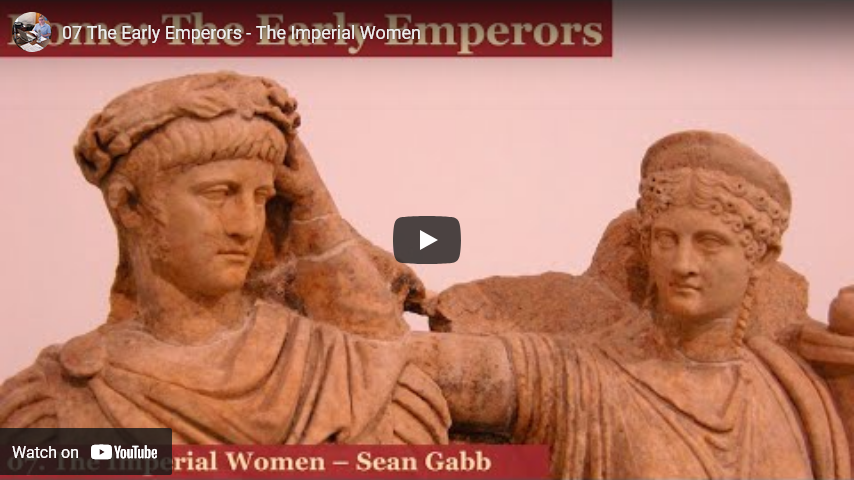
The Early Emperors – Part 7: The Imperial Women
seangabb
Published 11 Jan 2022The Roman Empire was the last and the greatest of the ancient empires. It is the origin from which springs the history of Western Europe and those nations that descend from Western Europe. It is the political entity within which the Christian Faith was born, and the growth of the Church within the Empire, and its eventual establishment as the sole faith of the Empire, have left an indelible impression on all modern denominations. Its history, together with that of the ancient Greeks and the Jews, is our history. To understand how the Empire emerged from a great though finally dysfunctional republic, and how it was consolidated by its early rulers, is partly how we understand ourselves.
Here is a series of lectures given by Sean Gabb in late 2021, in which he discusses and tries to explain the achievement of the early Emperors. For reasons of politeness and data protection, all student contributions have been removed.
More by Sean Gabb on the Ancient World: https://www.classicstuition.co.uk/
Learn Latin or Greek or both with him: https://www.udemy.com/user/sean-gabb/
His historical novels (under the pen name “Richard Blake”): https://www.amazon.co.uk/Richard-Blak…
Comments Off on The Early Emperors – Part 7: The Imperial Women
July 1, 2022
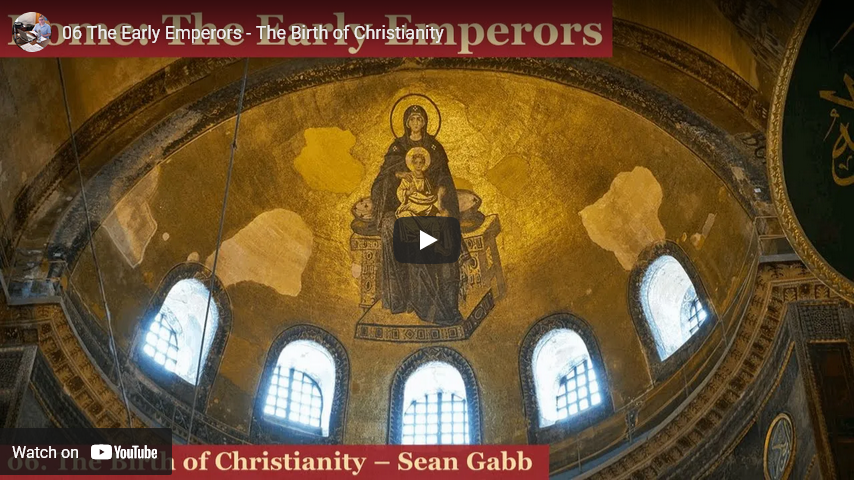
The Early Emperors – Part 6: The Birth of Christianity
seangabb
Published 27 Dec 2021The Roman Empire was the last and the greatest of the ancient empires. It is the origin from which springs the history of Western Europe and those nations that descend from the Western Roman Empire. It is the political entity within which the Christian faith was born, and the growth of the Church within the Empire, and its eventual establishment as the sole faith of the Empire, have left an indelible impression on all modern denominations. Its history, together with that of the ancient Greeks and the Jews, is our history. To understand how the Empire emerged from a great though finally dysfunctional republic, and how it was consolidated by its early rulers, is partly how we understand ourselves.
Here is a series of lectures given by Sean Gabb in late 2021, in which he discusses and tries to explain the achievement of the early Emperors. For reasons of politeness and data protection, all student contributions have been removed.
More by Sean Gabb on the Ancient World: https://www.classicstuition.co.uk/
Learn Latin or Greek or both with him: https://www.udemy.com/user/sean-gabb/
His historical novels (under the pen name “Richard Blake”): https://www.amazon.co.uk/Richard-Blak…
Comments Off on The Early Emperors – Part 6: The Birth of Christianity
June 28, 2022
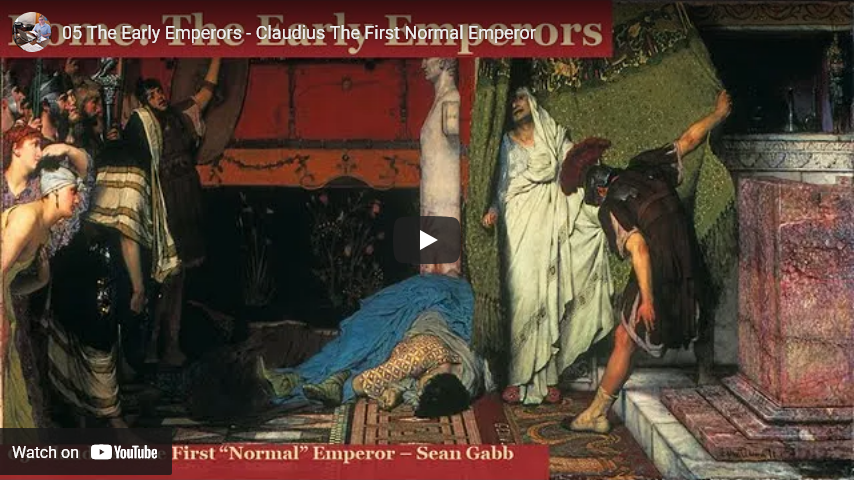
The Early Emperors – Part 5: Claudius, the First Normal Emperor
seangabb
Published 13 Dec 2021The Roman Empire was the last and the greatest of the ancient empires. It is the origin from which springs the history of Western Europe and those nations that descend from the Western Roman Empire. It is the political entity within which the Christian faith was born, and the growth of the Church within the Empire, and its eventual establishment as the sole faith of the Empire, have left an indelible impression on all modern denominations. Its history, together with that of the ancient Greeks and the Jews, is our history. To understand how the Empire emerged from a great though finally dysfunctional republic, and how it was consolidated by its early rulers, is partly how we understand ourselves.
Here is a series of lectures given by Sean Gabb in late 2021, in which he discusses and tries to explain the achievement of the early Emperors. For reasons of politeness and data protection, all student contributions have been removed.
More by Sean Gabb on the Ancient World: https://www.classicstuition.co.uk/
Learn Latin or Greek or both with him: https://www.udemy.com/user/sean-gabb/
His historical novels (under the pen name “Richard Blake”): https://www.amazon.co.uk/Richard-Blak…
Comments Off on The Early Emperors – Part 5: Claudius, the First Normal Emperor
June 21, 2022
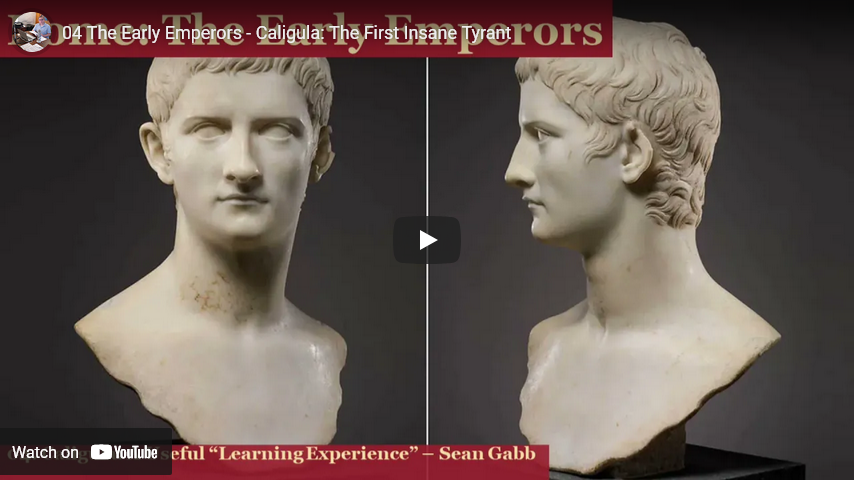
The Early Emperors – Part 4: Caligula, The First Insane Tyrant
seangabb
Published 31 Oct 2021The Roman Empire was the last and the greatest of the ancient empires. It is the origin from which springs the history of Western Europe and those nations that descend from the Western Roman Empire. It is the political entity within which the Christian faith was born, and the growth of the Church within the Empire, and its eventual establishment as the sole faith of the Empire, have left an indelible impression on all modern denominations. Its history, together with that of the ancient Greeks and the Jews, is our history. To understand how the Empire emerged from a great though finally dysfunctional republic, and how it was consolidated by its early rulers, is partly how we understand ourselves.
Here is a series of lectures given by Sean Gabb in late 2021, in which he discusses and tries to explain the achievement of the early Emperors. For reasons of politeness and data protection, all student contributions have been removed.
More by Sean Gabb on the Ancient World: https://www.classicstuition.co.uk/
Learn Latin or Greek or both with him: https://www.udemy.com/user/sean-gabb/
His historical novels (under the pen name “Richard Blake”): https://www.amazon.co.uk/Richard-Blak…
Comments Off on The Early Emperors – Part 4: Caligula, The First Insane Tyrant
June 18, 2022
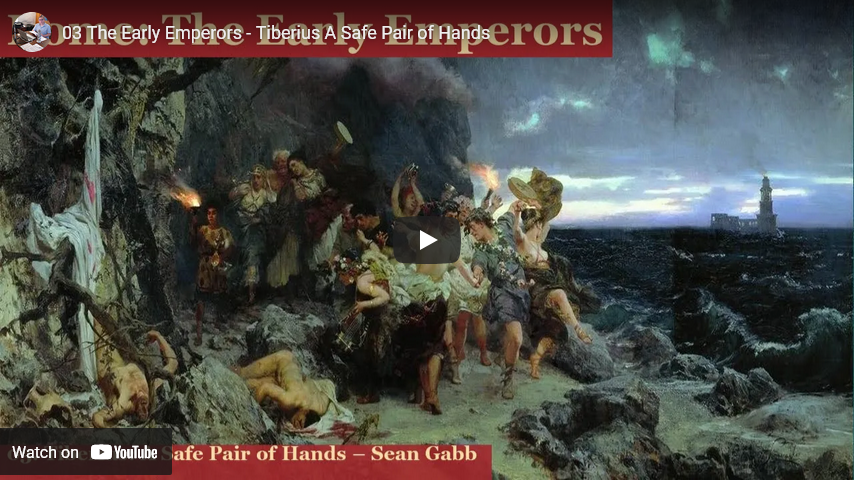
The Early Emperors – Part 3: Tiberius, A Safe Pair of Hands
seangabb
Published 22 Oct 2021The Roman Empire was the last and the greatest of the ancient empires. It is the origin from which springs the history of Western Europe and those nations that descend from the Western Roman Empire. It is the political entity within which the Christian faith was born, and the growth of the Church within the Empire, and its eventual establishment as the sole faith of the Empire, have left an indelible impression on all modern denominations. Its history, together with that of the ancient Greeks and the Jews, is our history. To understand how the Empire emerged from a great though finally dysfunctional republic, and how it was consolidated by its early rulers, is partly how we understand ourselves.
Here is a series of lectures given by Sean Gabb in late 2021, in which he discusses and tries to explain the achievement of the early Emperors. For reasons of politeness and data protection, all student contributions have been removed.
More by Sean Gabb on the Ancient World: https://www.classicstuition.co.uk/
Learn Latin or Greek or both with him: https://www.udemy.com/user/sean-gabb/
His historical novels (under the pen name “Richard Blake”): https://www.amazon.co.uk/Richard-Blak…
Comments Off on The Early Emperors – Part 3: Tiberius, A Safe Pair of Hands
June 14, 2022
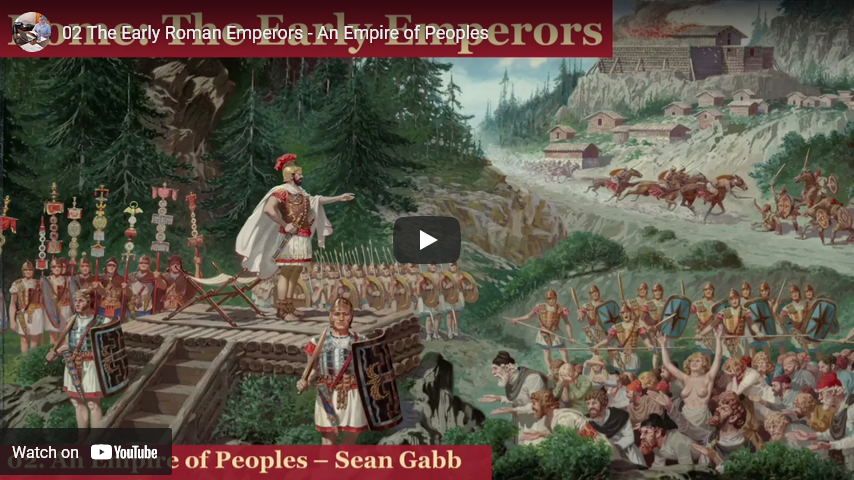
The Early Roman Emperors – Part 2: An Empire of Peoples
seangabb
Published 4 Oct 2021The Roman Empire was the last and the greatest of the ancient empires. It is the origin from which springs the history of Western Europe and those nations that descend from the Western Roman Empire. It is the political entity within which the Christian faith was born, and the growth of the Church within the Empire, and its eventual establishment as the sole faith of the Empire, have left an indelible impression on all modern denominations. Its history, together with that of the ancient Greeks and the Jews, is our history. To understand how the Empire emerged from a great though finally dysfunctional republic, and how it was consolidated by its early rulers, is partly how we understand ourselves.
Here is a series of lectures given by Sean Gabb in late 2021, in which he discusses and tries to explain the achievement of the early Emperors. For reasons of politeness and data protection, all student contributions have been removed.
More by Sean Gabb on the Ancient World: https://www.classicstuition.co.uk/
Learn Latin or Greek or both with him: https://www.udemy.com/user/sean-gabb/
His historical novels (under the pen name “Richard Blake”): https://www.amazon.co.uk/Richard-Blake/e/B005I2B5PO
Comments Off on The Early Roman Emperors – Part 2: An Empire of Peoples
June 10, 2022
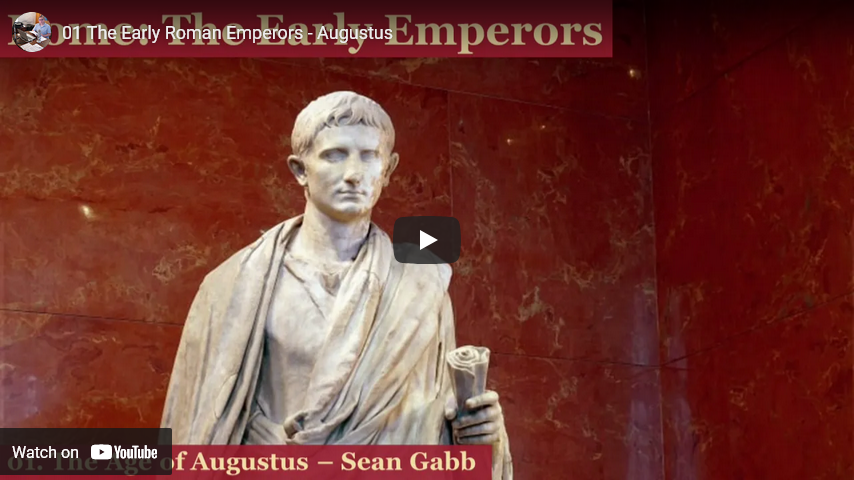
The Early Roman Emperors – Part 1: Augustus
seangabb
Published 26 Sep 2021The Roman Empire was the last and the greatest of the ancient empires. It is the origin from which springs the history of Western Europe and those nations that descend from the Western Roman Empire. It is the political entity within which the Christian faith was born, and the growth of the Church within the Empire, and its eventual establishment as the sole faith of the Empire, have left an indelible impression on all modern denominations. Its history, together with that of the ancient Greeks and the Jews, is our history. To understand how the Empire emerged from a great though finally dysfunctional republic, and how it was consolidated by its early rulers, is partly how we understand ourselves.
Here is a series of lectures given by Sean Gabb in late 2021, in which he discusses and tries to explain the achievement of the early Emperors. For reasons of politeness and data protection, all student contributions have been removed.
More by Sean Gabb on the Ancient World: https://www.classicstuition.co.uk/
Learn Latin or Greek or both with him: https://www.udemy.com/user/sean-gabb/
His historical novels (under the pen name “Richard Blake”): https://www.amazon.co.uk/Richard-Blak…
Comments Off on The Early Roman Emperors – Part 1: Augustus
May 27, 2022
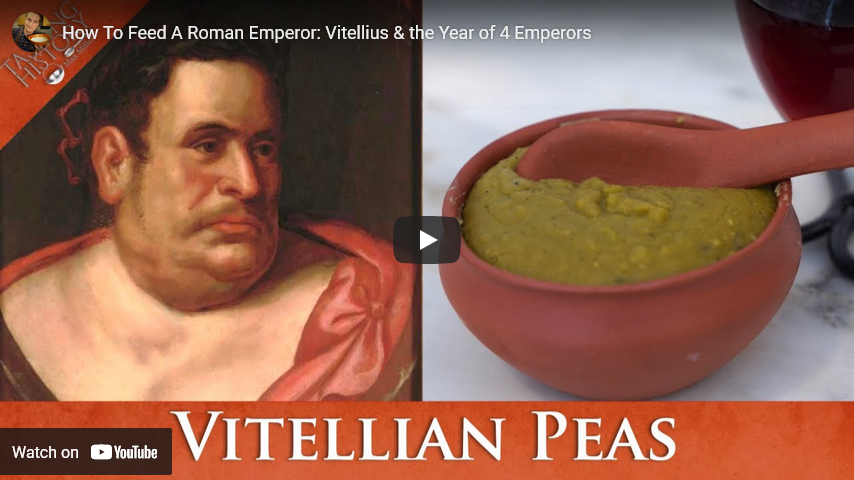
How To Feed A Roman Emperor: Vitellius & the Year of 4 Emperors
Tasting History with Max Miller
Published 20 Apr 2021Help Support the Channel with Patreon: https://www.patreon.com/tastinghistory
Tasting History Merchandise: crowdmade.com/collections/tastinghistoryFollow Tasting History here:
Instagram: https://www.instagram.com/tastinghist…
Twitter: https://twitter.com/TastingHistory1
Tiktok: TastingHistory
Reddit: r/TastingHistory
Discord: https://discord.gg/d7nbEpyTasting History’s Amazon Wish List: https://amzn.to/3i0mwGt
LINKS TO INGREDIENTS & EQUIPMENT**
Sony Alpha 7C Camera: https://amzn.to/2MQbNTK
Sigma 24-70mm f/2.8 Lens: https://amzn.to/35tjyoW
Garum: https://amzn.to/3dMXnO0
Dried Marrowfat Peas: https://amzn.to/2RhIqfa
Lovage: https://amzn.to/3saQyea
Dried Ginger Root: https://amzn.to/3uFCHymLINKS TO SOURCES**
Apicius, De Re Coquinaria (translated by Elisabeth Rosenbaum and Barbara Flower): https://amzn.to/3wLqA4A
The Twelve Caesars by Suetonius: https://amzn.to/3uDUt4W
69 AD The Year of Four Emperors by Gwyn Morgan: https://amzn.to/2RfsY39**Some of the links and other products that appear on this video are from companies which Tasting History will earn an affiliate commission or referral bonus. Each purchase made from these links will help to support this channel with no additional cost to you. The content in this video is accurate as of the posting date. Some of the offers mentioned may no longer be available.
Subtitles: Jose Mendoza
PHOTO CREDITS
De Re Coquinaria: By Bonho1962 – Own work, CC BY-SA 3.0, https://commons.wikimedia.org/w/index…
Tiberius: By Carole Raddato from FRANKFURT, Germany – Tiberius, Romisch-Germanisches Museum, CologneUploaded by Marcus Cyron, CC BY-SA 2.0, https://commons.wikimedia.org/w/index…
Caligula: By Tomk2ski – Own work, CC BY-SA 4.0, https://commons.wikimedia.org/w/index…
Vomitorium: By Przemek P – https://szarada.net/okreslenie-z-krzy…, CC BY-SA 3.0, https://commons.wikimedia.org/w/index…
Amphitheatre Spectacle: Dennis Jarvis, CC BY-SA 2.0 https://creativecommons.org/licenses/…, via Wikimedia Commons
Vespasian: By Sailko – Own work, CC BY 3.0, https://commons.wikimedia.org/w/index…
Close up of the coin hoard: By Portable Antiquities Scheme from London, England – Close up of the coin hoard, CC BY-SA 2.0, https://commons.wikimedia.org/w/index…#tastinghistory #ancientrome #totalwar
Comments Off on How To Feed A Roman Emperor: Vitellius & the Year of 4 Emperors
May 24, 2022
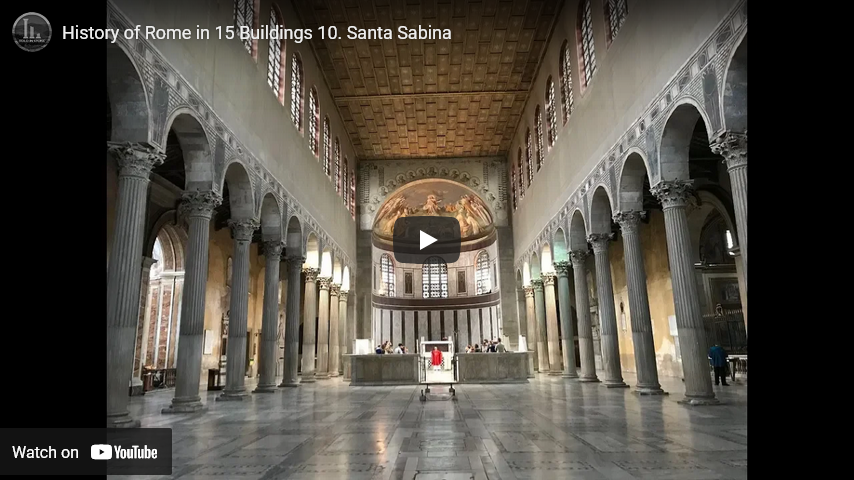
History of Rome in 15 Buildings 10. Santa Sabina
toldinstone
Published 2 Oct 2018Through some combination of military disasters, barbarian migrations, social change, and dynastic bad luck, the Western Roman Empire collapsed in the fifth century. In this tenth episode of our History of Rome, focused on the church of Santa Sabina, we will consider some of the implications of this crisis.
If you enjoyed this video, you might be interested in my book Naked Statues, Fat Gladiators, and War Elephants: Frequently Asked Questions about the Ancient Greeks and Romans. You can find a preview of the book here:
https://toldinstone.com/naked-statues…
If you’re so inclined, you can follow me elsewhere on the web:
https://www.reddit.com/r/AskHistorian…
https://www.instagram.com/toldinstone/To see the story and photo essay associated with this video, go to:
https://toldinstone.com/santa-sabina/Thanks for watching!
Comments Off on History of Rome in 15 Buildings 10. Santa Sabina


