
For 20 years between the wars [Field Marshal Viscount Slim] was a Gurkha officer, as so many of the 14th Army’s fighting generals were. Indeed, for a time, they were known on the front as the “Mongol Conspiracy.” Slim loves the Gurkhas, whose language he speaks. His favourite stories are of Gurkhas. He tells of the paratroopers who were to jump at 300 feet. As they had never jumped before, their Havildar [Sergeant] asked if they might go a little nearer the ground for their first jump. He was told that this was impossible because the parachutes would not have time to open. “Oh,” said the Gurkha, “so we get parachutes, eh?”
October 28, 2020
QotD: The Gurkhas
Comments Off on QotD: The Gurkhas
October 25, 2020
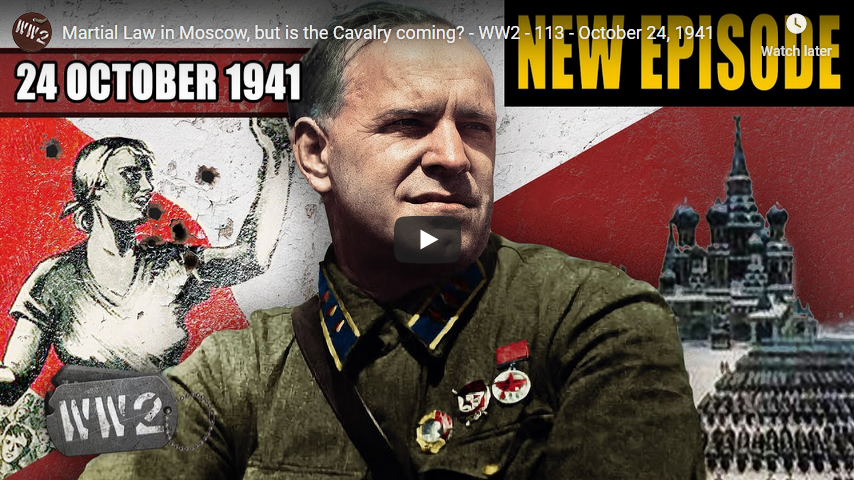
Martial Law in Moscow, but is the Cavalry coming? – WW2 – 113 – October 24, 1941
World War Two
Published 24 Oct 2020The Germans draw ever closer to Moscow, but Soviet reinforcements have begun to arrive from Siberia and the city’s defenses have grown stronger. Meanwhile in the south, the Germans are sweeping into the Crimea and looking hungrily at the Caucasus.
Join us on Patreon: https://www.patreon.com/TimeGhostHistory
Or join The TimeGhost Army directly at: https://timeghost.tvFollow WW2 day by day on Instagram @ww2_day_by_day – https://www.instagram.com/ww2_day_by_day
Between 2 Wars: https://www.youtube.com/playlist?list…
Source list: http://bit.ly/WW2sourcesWritten and Hosted by: Indy Neidell
Director: Astrid Deinhard
Producers: Astrid Deinhard and Spartacus Olsson
Executive Producers: Astrid Deinhard, Indy Neidell, Spartacus Olsson, Bodo Rittenauer
Creative Producer: Maria Kyhle
Post-Production Director: Wieke Kapteijns
Research by: Indy Neidell
Edited by: Miki Cackowski
Sound design: Marek Kamiński
Map animations: Eastory (https://www.youtube.com/c/eastory)Colorizations by:
Julius Jääskeläinen – https://www.facebook.com/JJcolorization/
Mikolaj Uchman
Klimbim – https://www.flickr.com/photos/2215569…
Daniel Weiss
Carlos Ortega Pereira, BlauColorizations – https://www.instagram.com/blaucolorizations
Dememorabilia – https://www.instagram.com/dememorabilia/
Norman Stewart – https://oldtimesincolor.blogspot.com/Sources:
Mil.ru
Bundesarchiv
Narodowe Archiwum Cyfrowe
Yad Vashem 90FO3
from the Noun Project: Skull by Muhamad Ulum, Horse by RIZCA, Injury by Adriano Emerick, Oil Tank by MangsaabguruSoundtracks from the Epidemic Sound:
Johannes Bornlof – “The Inspector 4”
Reynard Seidel – “Deflection”
Johannes Bornlof – “Death And Glory 3”
Johan Hynynen – “Dark Beginning”
Hakan Eriksson – “Epic Adventure Theme 4”
Gunnar Johnsen – “Not Safe Yet”
Andreas Jamsheree – “Guilty Shadows 4”Archive by Screenocean/Reuters https://www.screenocean.com.
A TimeGhost chronological documentary produced by OnLion Entertainment GmbH.
Comments Off on Martial Law in Moscow, but is the Cavalry coming? – WW2 – 113 – October 24, 1941
October 23, 2020
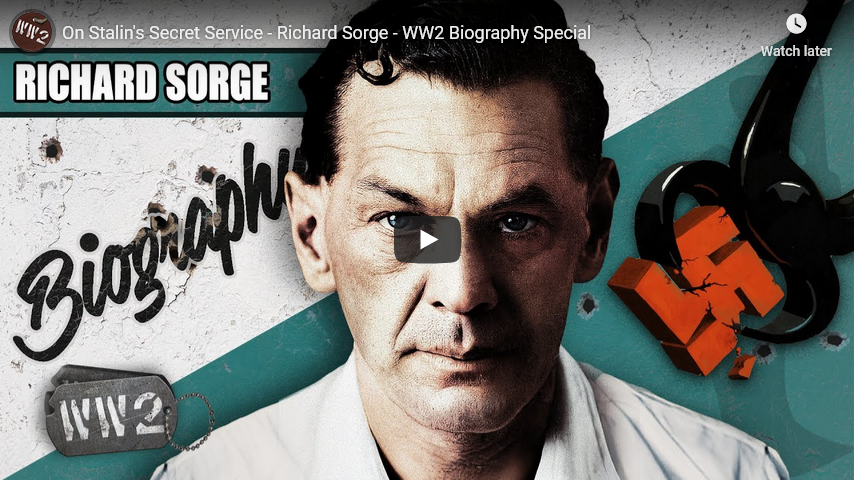
On Stalin’s Secret Service – Richard Sorge – WW2 Biography Special
World War Two
Published 22 Oct 2020A spy who is famous for warning Stalin about Hitler’s plan to invade the Soviet Union. But he was so much more than that. His fascinating life begins in the Caucasus and eventually leads him to Tokyo.
Join us on Patreon: https://www.patreon.com/TimeGhostHistory
Or join The TimeGhost Army directly at: https://timeghost.tvFollow WW2 day by day on Instagram @ww2_day_by_day – https://www.instagram.com/ww2_day_by_day
Between 2 Wars: https://www.youtube.com/playlist?list…
Source list: http://bit.ly/WW2sourcesWritten and Hosted by: Indy Neidell
Director: Astrid Deinhard
Producers: Astrid Deinhard and Spartacus Olsson
Executive Producers: Astrid Deinhard, Indy Neidell, Spartacus Olsson, Bodo Rittenauer
Creative Producer: Joram Appel
Post-Production Director: Wieke Kapteijns
Research by: Indy Neidell
Edited by: Monika Worona
Sound design: Marek KamińskiColorizations by:
Carlos Ortega Pereira
Daniel Weiss
Mikołaj UchmanSources:
Bundesarchiv
Milu.ru
Archive.orgArchive by Screenocean/Reuters https://www.screenocean.com.
A TimeGhost chronological documentary produced by OnLion Entertainment GmbH.
From the comments:
World War Two
16 hours ago (edited)
More fascinating World War Two spy stuff we know you love. We’ve already spoken about Popov, Enigma, and much more, but what makes Sorge particularly stand out is the amount of praise he has consistently received. Both Tom Clancy and Ian Fleming have said they consider him one of the world’s greatest spies, and other espionage workers, including ones who worked on the opposing side to him, have admitted their admiration for the man.
Comments Off on On Stalin’s Secret Service – Richard Sorge – WW2 Biography Special
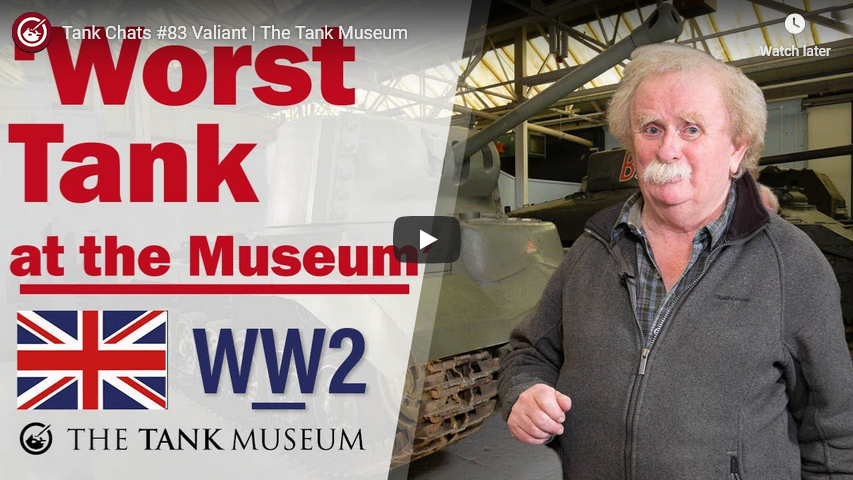
Tank Chats #83 Valiant | The Tank Museum
The Tank Museum
Published 30 Aug 2019Described by David Fletcher as the worst tank at The Tank Museum! Find out how the WW2 Valiant tank failed in quite so many areas.
Support the work of The Tank Museum on Patreon: ► https://www.patreon.com/tankmuseum
Visit The Tank Museum SHOP: ► https://tankmuseumshop.org/
Twitter: ► https://twitter.com/TankMuseum
Instagram: ► https://www.instagram.com/tankmuseum/
Tiger Tank Blog: ► http://blog.tiger-tank.com/
Tank 100 First World War Centenary Blog: ► http://tank100.com/
Comments Off on Tank Chats #83 Valiant | The Tank Museum
October 21, 2020
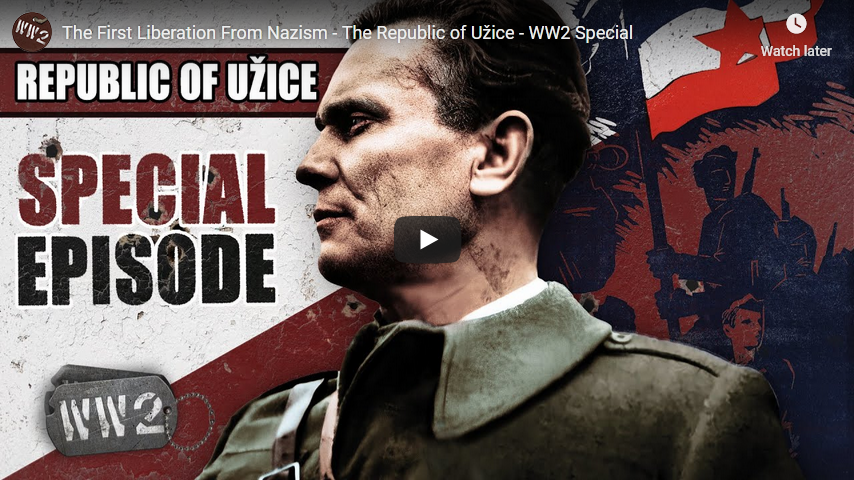
The First Liberation From Nazism – The Republic of Užice – WW2 Special
World War Two
Published 20 Oct 2020When the Yugoslav Partisans and Chetniks liberate a large part of modern-day Serbia, the Partisans found the Republic of Užice, complete with its own governmental structure, education and cultural policy and weapons factory.
Join us on Patreon: https://www.patreon.com/TimeGhostHistory
Or join The TimeGhost Army directly at: https://timeghost.tvFollow WW2 day by day on Instagram @ww2_day_by_day – https://www.instagram.com/ww2_day_by_day
Between 2 Wars: https://www.youtube.com/playlist?list…
Source list: http://bit.ly/WW2sourcesHosted by: Indy Neidell
Written by: Joram Appel
Director: Astrid Deinhard
Producers: Astrid Deinhard and Spartacus Olsson
Executive Producers: Astrid Deinhard, Indy Neidell, Spartacus Olsson, Bodo Rittenauer
Creative Producer: Maria Kyhle
Post-Production Director: Wieke Kapteijns
Research by: Joram Appel
Edited by: Miki Cackowski
Sound design: Marek Kamiński
Map animations: Eastory (https://www.youtube.com/c/eastory)Colorizations by:
Mikolaj Uchman
Carlos Ortega Pereira, BlauColorizations – https://www.instagram.com/blaucolorizations
Dememorabilia – https://www.instagram.com/dememorabilia/Sources:
Narodowe Archiwum Cyfrowe
FOTO-FORTEPAN – MZSL-Ofner Károly
Yad Vashem 3731/1
Bundesarchiv
IWM H 11368
Museum of Yugoslavia
ETH-Bibliothek
map of Belgium, courtesy of Marcuscalabresus https://commons.wikimedia.org/wiki/Fi…
from the Noun Project: Injury by Adriano Emerick, Dead Soldier by Gan Khoon Lay, Helmet by Daniel Turnel, person by Adrien Coquet, Skull by Muhamad UlumSoundtracks from the Epidemic Sound:
Johannes Bornlof – “The Inspector 4”
Hakan Eriksson – “Epic Adventure Theme”
Reynard Seidel – “Deflection”
Rannar Sillard – “March Of The Brave 4”
Philip Ayers – “Trapped in a Maze”
Johan Hynynen – “Dark Beginning”Archive by Screenocean/Reuters https://www.screenocean.com.
A TimeGhost chronological documentary produced by OnLion Entertainment GmbH.
Comments Off on The First Liberation From Nazism – The Republic of Užice – WW2 Special
October 18, 2020
Panic in Moscow! The Germans are here! – WW2 – 112 – October 17, 1941
World War Two
Published 17 Oct 2020Moscow panics as the Germans edge closer and take prisoners by the hundreds of thousands, even as the temperature drops far below freezing. At home in Germany, Josef Goebbels has a problem – he’s promised victory too soon and too often. And in Japan, a government falls.
Join us on Patreon: https://www.patreon.com/TimeGhostHistory
Or join The TimeGhost Army directly at: https://timeghost.tvFollow WW2 day by day on Instagram @ww2_day_by_day – https://www.instagram.com/ww2_day_by_day
Between 2 Wars: https://www.youtube.com/playlist?list…
Source list: http://bit.ly/WW2sourcesWritten and Hosted by: Indy Neidell
Director: Astrid Deinhard
Producers: Astrid Deinhard and Spartacus Olsson
Executive Producers: Astrid Deinhard, Indy Neidell, Spartacus Olsson, Bodo Rittenauer
Creative Producer: Joram Appel
Post-Production Director: Wieke Kapteijns
Research by: Indy Neidell
Edited by: Monika Worona
Sound design: Marek Kamiński
Map animations: Eastory (https://www.youtube.com/c/eastory)Colorizations by:
Jaris Almazani
Daniel Weiss
Mikołaj Uchman
Carlos Ortega Pereira
Julius Jääskeläinen
Adrien Fillon
Norman StewartSources:
Bundesarchiv
Archive.orgArchive by Screenocean/Reuters https://www.screenocean.com.
A TimeGhost chronological documentary produced by OnLion Entertainment GmbH.
From the comments:
World War Two
2 days ago
Japan’s immediate future seems decided with a new government that certainly has no issue with the war in China or with extending that war to the south, meanwhile Moscow panics as the Germans approach. What does all this mean for the men and women in the occupied territory? What does it mean for those at home?To learn more about that check out our sub-series “War Against Humanity” and “On the Homefront”:
War Against Humanity playlist: https://www.youtube.com/playlist?list=PLsIk0qF0R1j4cwI-ZuDoBLxVEV3egWKoM
On the Homefront playlist: https://www.youtube.com/playlist?list=PLsIk0qF0R1j5Ug9lCaxygenFf3lzuGXap

Comments Off on Panic in Moscow! The Germans are here! – WW2 – 112 – October 17, 1941
October 16, 2020
The Wehrmacht is Not Clean! – War Against Humanity 020 – October 1941 Pt 1
World War Two
Published 15 Oct 2020The Wehrmacht is deeply involved with the Nazis’ War Against Humanity. They are complicit in the murder of thousands of Jews in the “Holocaust of Bullets”, and the severe treatment of Soviet Prisoners of War. In October 1941, Wehrmacht General Walther von Reichenau issues the “Severity Order”, taking away any ambiguity there may be as to the Wehrmacht‘s vision.
Join us on Patreon: https://www.patreon.com/TimeGhostHistory
Or join The TimeGhost Army directly at: https://timeghost.tvFollow WW2 day by day on Instagram @ww2_day_by_day – https://www.instagram.com/ww2_day_by_day
Between 2 Wars: https://www.youtube.com/playlist?list…
Source list: http://bit.ly/WW2sourcesHosted by: Spartacus Olsson
Written by: Joram Appel and Spartacus Olsson
Director: Astrid Deinhard
Producers: Astrid Deinhard and Spartacus Olsson
Executive Producers: Astrid Deinhard, Indy Neidell, Spartacus Olsson, Bodo Rittenauer
Creative Producer: Maria Kyhle
Post-Production Director: Wieke Kapteijns
Research by: Joram Appel
Edited by: Miki Cackowski
Sound design: Marek Kamiński
Map animations: Eastory (https://www.youtube.com/c/eastory)Colorizations by:
Mikolaj Uchman
Klimbim – https://www.flickr.com/photos/2215569…
Jaris Almazani (Artistic Man) – https://instagram.com/artistic.man?ig…
Julius Jääskeläinen – https://www.facebook.com/JJcolorization/
Norman Stewart – https://oldtimesincolor.blogspot.com/Sources:
Berkhoff, Karel (ed.), Basic Historical Narrative of the Babi Yar Holocaust Memorial Center (2018).
Desbois, Patrick, The Holocaust by Bullets: A Priest’s Journey to Uncover the Truth Behind the Murder of 1.5 Million Jews (2008).
Fox, Holquist and Martin, The Holocaust in the East: Local Perpetrators and Soviet Responses (2014).
Kay, Alex and David Stahel, Mass Violence in Nazi-Occupied Europe (2018).
Longerich, Peter, The Unwritten Order: Hitler’s Role in the Final Solution (2001)
Longerich, Peter, Holocaust: The Nazi Persecution and Murder of the Jews (2010).
Mitter, Rana, Forgotten Ally: China’s World War II, 1937-1945 (2013).
Müller, “The Brutalisation of Warfare, Nazi Crimes and the Wehrmacht”, In: Erickson & Dilks, Barbarossa: The Axis and the Allies.
Paine, S. C. M., The Wars for Asia, 1911-1949 (2012).
Pieper, Henning, Fegelein’s Horsemen and Genocidal Warfare: The SS Cavalry Brigade in the Soviet Union (2015).
Rutherford, Jeff, Combat And Genocide on the Eastern Front: The German Infantry’s War, 1941-1944 (2014).
Snyder, Timothy, Bloodlands: Europe Between Hitler and Stalin (2010).
United States Holocaust Memorial Museum, Encyclopaedia of Camps and Ghettos, 1933-1945, volume II, Part A (2012).
United States Holocaust Memorial Museum, Encyclopaedia of Camps and Ghettos, 1933-1945, volume II, Part B (2012).
Porter, Thomas Earl, “Hitler’s Forgotten Genocides: The Fate of Soviet POWS”, in: Elon Law Review 5/259
Walter E. Grunden, “No retaliation in Kind: Japanese Chemical Warfare Policy in World War Two”, in: One Hundred Years of Chemical Warfare: Research, Deployment, Consequences (2017) 259-271.Visual sources:
Yad Vashem 4216/18, 4360/123, 7904/245, 143BO2, 6584677, 4147/65, 1044/148, 75FO4, 4220/2, 1249/67, 3745/140, 5705/34, 2725/23, 5705/47
USHMM
Bundesarchiv
www.auschwitz.org
FOTO:Fortepan — ID 73897, ID 28024
Picture of corpses of Auschwitz prisoners in Block 11 (Auschwitz I), courtesy of USHMM, Instytut Pamięci Narodowej
from the Noun Project: Skull by Muhamad Ulum, can by CCCHOI, gas bomb by Mete Eraydın from the Noun Project, Injury by Adriano EmerickSoundtracks from the Epidemic Sound:
Fabien Tell – “Never Forget”
Wendel Scherer – “Growing Doubt”
Jon Bjork – “Icicles”
Farrell Wooten – “Blunt Object”
Peter Sandberg – “Document This 1”
Gunnar Johnsen – “Not Safe Yet”
Andreas Jamsheree – “Guilty Shadows 4”Archive by Screenocean/Reuters https://www.screenocean.com.
A TimeGhost chronological documentary produced by OnLion Entertainment GmbH.
From the comments:
World War Two
7 hours ago (edited)
Two years into the World War Two channel, we’re still often confronted with stubborn myths regarding the responsibility for the crimes committed against humanity during the Second World War. We have already seen time and time again how the Wehrmacht is actively and passively complicit to the harsh treatment of civilians, the mishandling and killing of PoWs, the murder of local non-combatants, and the genocides committed by Nazi Germany. Let this episode be nail in that myth’s coffin. There is, unambiguously and unequivocally, no doubt about the Wehrmacht‘s awareness, intentions, actions, effects and complicity in the War Against Humanity.For our Polish speakers: while Spartacus’ less than perfect pronounciation of Polish names is usually at least an attempt, the pronounciation of Belzec is on pupose the English way of saying it, since the Polish pronounciation is not familiar to almost all non-Polish speakers, and it needs to be clear of what place he is speaking of.
Comments Off on The Wehrmacht is Not Clean! – War Against Humanity 020 – October 1941 Pt 1
Tank Chats #81 Goliath | The Tank Museum
The Tank Museum
Published 2 Aug 2019Curator David Willey talks through the aptly-named Goliath, a WW2 German tracked mine.
Support the work of The Tank Museum on Patreon: ► https://www.patreon.com/tankmuseum
Visit The Tank Museum SHOP: ► https://tankmuseumshop.org/
Twitter: ► https://twitter.com/TankMuseum
Instagram: ► https://www.instagram.com/tankmuseum/
Tiger Tank Blog: ► http://blog.tiger-tank.com/
Tank 100 First World War Centenary Blog: ► http://tank100.com/ #tankmuseum #tanks

Comments Off on Tank Chats #81 Goliath | The Tank Museum
October 14, 2020
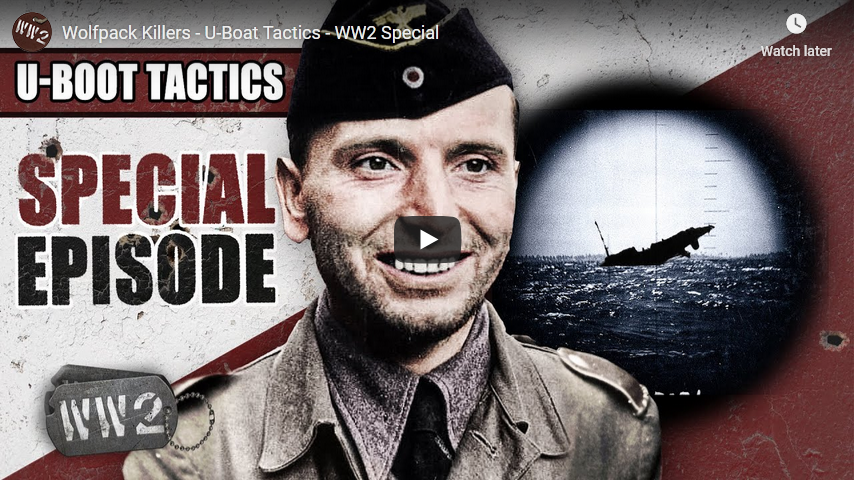
Wolfpack Killers – U-Boat Tactics – WW2 Special
World War Two
Published 13 Oct 2020German U-Boats were a big threat to Allied shipping across the Atlantic. New inventions and tactics triggered a race to outsmart the opponent, dramatically changing the tides of the Battle of the Atlantic every few months.
Join us on Patreon: https://www.patreon.com/TimeGhostHistory
Or join The TimeGhost Army directly at: https://timeghost.tvFollow WW2 day by day on Instagram @ww2_day_by_day – https://www.instagram.com/ww2_day_by_day
Between 2 Wars: https://www.youtube.com/playlist?list…
Source list: http://bit.ly/WW2sourcesHosted by: Indy Neidell
Written by: Joram Appel
Director: Astrid Deinhard
Producers: Astrid Deinhard and Spartacus Olsson
Executive Producers: Astrid Deinhard, Indy Neidell, Spartacus Olsson, Bodo Rittenauer
Creative Producer: Maria Kyhle
Post-Production Director: Wieke Kapteijns
Research by: Joram Appel
Edited by: Miki Cackowski
Sound design: Marek Kamiński
Map animations: Eastory (https://www.youtube.com/c/eastory)Colorizations by:
https://www.instagram.com/dememorabilia/
Julius Jääskeläinen – https://www.facebook.com/JJcolorization/Sources:
Pugsley, William H./Library and Archives Canada/PA-139273
Bundesarchiv
Narodowe Archiwum Cyfrowe
IWM CH 15219, A 31092, FL 3259
Bletchley Park Trust
from the Noun Project: Cargo Ship by Locad, explosion by Nico TzogalisSoundtrack from the Epidemic Sound:
Johannes Bornlof – “The Inspector 4”
Reynard Seidel – “Deflection”
Johannes Bornlof – “Deviation In Time”
Hakan Eriksson – “Epic Adventure Theme 3”
Johannes Bornlof – “Death And Glory 3”
Phoenix Tail – “At the Front”Archive by Screenocean/Reuters https://www.screenocean.com.
A TimeGhost chronological documentary produced by OnLion Entertainment GmbH.
From the comments:
World War Two
1 day ago
The episode covers some of Otto Kretschmer’s 11 Points of Submarine Warfare. Here’s the full list:1. Efficient lookouts are of prime importance.
2. It is essential not simply to spot the target, but to spot it in good time.
3. Lone ships should be attacked on the surface with gunfire in order to save expensive torpedoes.
4. Survivors should be assisted where possible.
5. Convoys should only be attacked in daylight if it is not feasible to wait for nightfall.
6. Attack at night from the dark side of the convoy, so that the target is silhouetted and the submarine is in shadow.
7. When there is little or no moonlight, attack from the windward side [to avoid a visible white bow-wave when motoring into the wind].
8. Fire one torpedo per target, not fanned salvoes.
9. Fire at close range.
10. Once the attack is launched, do not submerge except in circumstances of dire necessity. Remember that on the surface it is easier for you to spot the enemy than for the enemy to spot you.
11. Dive only for two hours before dawn each day, to rest the crew, sweep with the sound detection equipment, etc.; otherwise, remain on the surface.
Comments Off on Wolfpack Killers – U-Boat Tactics – WW2 Special
October 11, 2020
An Open Road to Moscow! – WW2- 111- October 10, 1941
World War Two
Published 10 Oct 2020The road to Moscow does indeed lay open before the Germans, but for how long? And can they exploit such an opportunity — since the panzers are busy encircling hundreds of thousands of Soviet soldiers near Vyazema? Georgy Zhukov arrives in Moscow to take charge of the Soviet defenses and try to shut the door.
Join us on Patreon: https://www.patreon.com/TimeGhostHistory
Or join The TimeGhost Army directly at: https://timeghost.tvFollow WW2 day by day on Instagram @ww2_day_by_day – https://www.instagram.com/ww2_day_by_day
Between 2 Wars: https://www.youtube.com/playlist?list…
Source list: http://bit.ly/WW2sourcesWritten and Hosted by: Indy Neidell
Director: Astrid Deinhard
Producers: Astrid Deinhard and Spartacus Olsson
Executive Producers: Astrid Deinhard, Indy Neidell, Spartacus Olsson, Bodo Rittenauer
Creative Producer: Maria Kyhle
Post-Production Director: Wieke Kapteijns
Research by: Indy Neidell
Edited by: Monika Worona
Sound design: Marek Kamiński
Map animations: Eastory (https://www.youtube.com/c/eastory)Colorizations by:
Carlos Ortega Pereira
Mikołaj Uchman
Julius Jääskeläinen
Daniel WeissSources:
Archive.org
United States Holocaust Memorial Museum
Mil
BundesarchivArchive by Screenocean/Reuters https://www.screenocean.com.
A TimeGhost chronological documentary produced by OnLion Entertainment GmbH.

Comments Off on An Open Road to Moscow! – WW2- 111- October 10, 1941
October 9, 2020
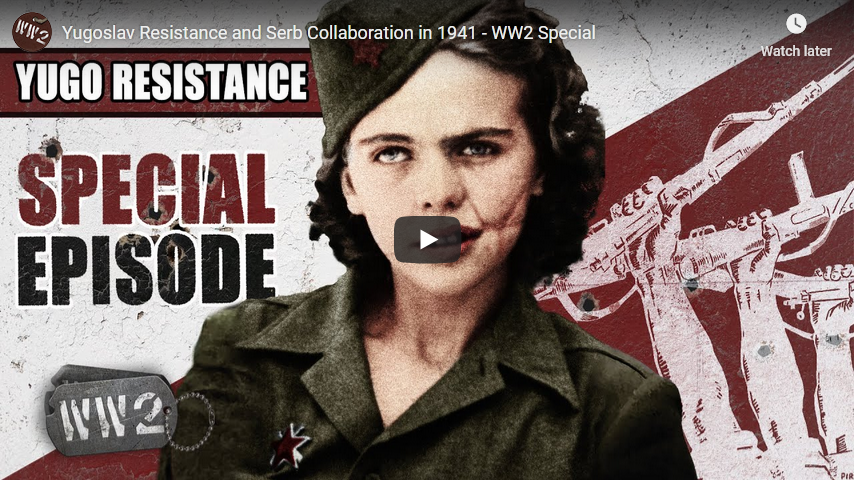
Yugoslav Resistance and Serb Collaboration in 1941 – WW2 Special
World War Two
Published 8 Oct 2020Resistance has been brewing since the Axis invasion in April 1941. Multiple resistance groups fight for very different reasons and with different methods. When they launch a big offensive against the occupier, lines between friend and foe become blurry.
Join us on Patreon: https://www.patreon.com/TimeGhostHistory
Or join The TimeGhost Army directly at: https://timeghost.tvFollow WW2 day by day on Instagram @ww2_day_by_day – https://www.instagram.com/ww2_day_by_day
Between 2 Wars: https://www.youtube.com/playlist?list…
Source list: http://bit.ly/WW2sourcesHosted by: Spartacus Olsson
Written by: Joram Appel
Director: Astrid Deinhard
Producers: Astrid Deinhard and Spartacus Olsson
Executive Producers: Astrid Deinhard, Indy Neidell, Spartacus Olsson, Bodo Rittenauer
Creative Producer: Maria Kyhle
Post-Production Director: Wieke Kapteijns
Research by: Joram Appel
Edited by: Miki Cackowski
Sound design: Marek Kamiński
Map animations: Eastory (https://www.youtube.com/c/eastory)Colorizations by:
Mikolaj Uchman
Carlos Ortega Pereira – BlauColorizations, https://www.instagram.com/blaucolorizations
Dememorabilia – https://www.instagram.com/dememorabilia/Sources:
Bundesarchiv
Museum of Yugoslavia
FORTEPAN / Konok Tamás ID 27502
Narodowe Archiwum Cyfrowe
from the Noun Project: Skull by Muhamad Ulum, Dead Soldier by Gan Khoon Lay, Helmet by Daniel Turner, Injury by Adriano Emerick, person by Adrien CoquetSoundtracks from the Epidemic Sound:
Johan Hynynen – “Dark Beginning”
Johannes Bornlof – “Deviation In Time”
Johannes Bornlof – “The Inspector 4”
Reynard Seidel – “Deflection”
Andreas Jamsheree – “Guilty Shadows 4”Archive by Screenocean/Reuters https://www.screenocean.com.
A TimeGhost chronological documentary produced by OnLion Entertainment GmbH.
Comments Off on Yugoslav Resistance and Serb Collaboration in 1941 – WW2 Special
October 8, 2020
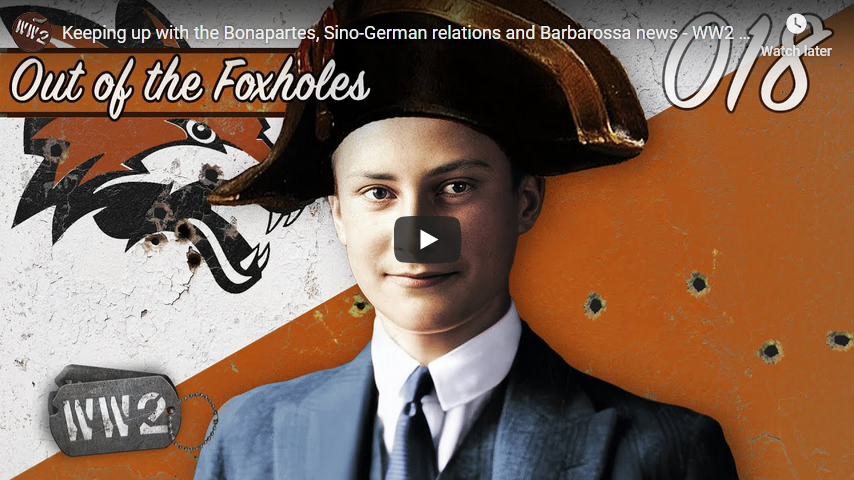
Keeping up with the Bonapartes, Sino-German relations and Barbarossa news – WW2 – OOTF 018
World War Two
Published 7 Oct 2020What were the Bonapartes up to during World War Two? How were the German casualties of Operation Barbarossa reported, if at all, in Germany? And what exactly was the relationship between China and Germany in World War Two? Join Indy in the Chair of Infinite Wisdom to find out.
Join us on Patreon: https://www.patreon.com/TimeGhostHistory
Or join The TimeGhost Army directly at: https://timeghost.tvFollow WW2 day by day on Instagram @ww2_day_by_day – https://www.instagram.com/ww2_day_by_day
Between 2 Wars: https://www.youtube.com/playlist?list…
Source list: http://bit.ly/WW2sourcesHosted by: Indy Neidell
Written by: Lewis Braithwaite, Ian Sowden, and Samir Mechel
Director: Astrid Deinhard
Producers: Astrid Deinhard and Spartacus Olsson
Executive Producers: Astrid Deinhard, Indy Neidell, Spartacus Olsson, Bodo Rittenauer
Creative Producer: Maria Kyhle
Post-Production Director: Wieke Kapteijns
Research by: Lewis Braithwaite, Ian Sowden, and Samir Mechel
Edited by: Monika Worona
Sound design: Marek Kamiński
Map animations: Eastory (https://www.youtube.com/c/eastory)Colorizations by:
Daniel
Mikołaj Uchman
MusvageVisual sources:
BundesarchivArchive by Screenocean/Reuters https://www.screenocean.com.
A TimeGhost chronological documentary produced by OnLion Entertainment GmbH.
Comments Off on Keeping up with the Bonapartes, Sino-German relations and Barbarossa news – WW2 – OOTF 018
October 7, 2020
QotD: The gullible generation
For Americans, it meant looking for protection by a political regime so grossly and criminally corrupt that future historians will shake their heads, wondering how an entire people could be such suckers. “The Greatest Generation”, that miserable collectivist mouthpiece Tom Brokaw has called them. Looking back over what my father told me of his life, how his family suffered in the government-caused Great Depression, how he and his comrades risked unspeakable danger in the war, and how he became a prisoner in Germany — all to aggrandize the virtual godhood of Franklin Delano Roosevelt — I call them “The Gullible Generation”.
On the other hand, people loved the Roosevelt Administration so much that they passed a Constitutional amendment to make sure that no sonofabitch could ever be elected to more than two Presidential terms again.
World War II gave government complete, dictatorial control of American society, control of industry, control of communications, control of the economy, control that Roosevelt had desperately lusted after before the war, but failed to achieve. If anyone objected, or insisted on his rights under the Constitution, all the other side had to say was, “Don’t you know there’s a war on?”
The government enjoyed that level of control. Once the war was won, and people looked forward to a period of peace, the government plunged us into the Korean War, Vietnam, and an increasing number of undeclared and stupid conflicts in order to retain its power. “Don’t you know there’s a war on?” never worked quite as well as it had to shut dissenters up, but it’s clear that this scam will go on and on and on until something drastic is done to stop it.
L. Neil Smith, “The Deep State”, Libertarian Enterprise, 2019-04-14.
Comments Off on QotD: The gullible generation
October 6, 2020
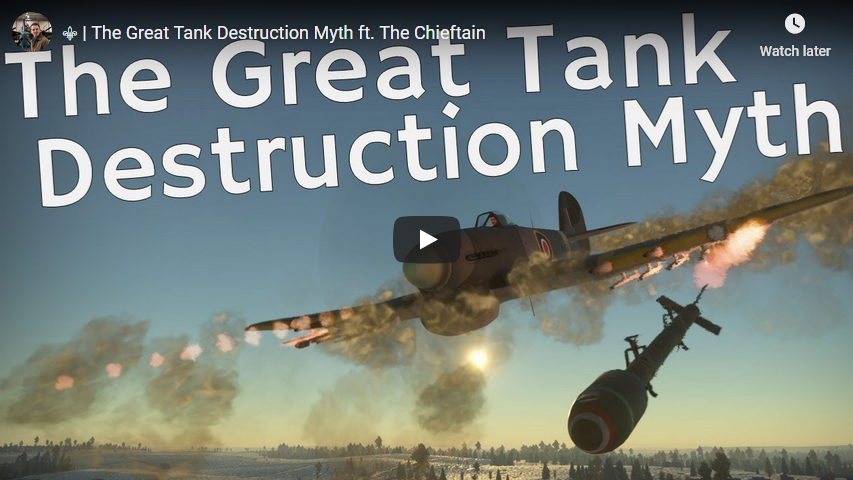
⚜ | The Great Tank Destruction Myth ft. The Chieftain
Military Aviation History
Published 24 May 2018Planes kill tanks in the thousands, Sir! Why, do they really? Lets find out.
You can support my Channel with Patreon: https://www.patreon.com/Bismarck
Get a tanker’s perspective from ‘The Chieftain’: https://www.youtube.com/watch?v=AirRX…
⚜ Official Merchanidizing ⚜
[Teepublic] Click here – https://goo.gl/e2PMXu⚜ Find Me On Social Media ⚜
– Twitch: http://www.twitch.tv/bis18marck70
– Twitter: https://twitter.com/Bis18marck70⚜ Sources ⚜
Ian Gooderson, Air Power at the Battlefield
Amazon US (Affiliate): https://amzn.to/2GLsRkR
Amazon UK (Affiliate): https://amzn.to/2IJc08gTank Encyclopedia.org,
Zeller, “Estimates concerning the effectiveness of some contemporary American fighters in
defeating a defended and undefended IS-III tank”,⚜ Music ⚜
Music and Sfx from Epidemic Sound⚜ DISCLAIMER ⚜
Amazon Associates Program (US): “Bismarck is a participant in the Amazon Services LLC Associates Program, an affiliate advertising program designed to provide a means for sites to earn advertising fees by advertising and linking to amazon.com.”Amazon Associates Program (UK): “Bismarck is a participant in the Amazon EU Associates Program, an affiliate advertising program designed to provide a means for sites to earn advertising fees by advertising and linking to amazon.co.uk.”
#CAS #GroundAttack #Typhoon
Comments Off on ⚜ | The Great Tank Destruction Myth ft. The Chieftain
October 4, 2020
A huge new German Offensive begins – Operation Typhoon! – WW2 – 110 – October 3, 1941
World War Two
Published 3 Oct 2020Adolf Hitler’s renewed drive on Moscow, the Soviet capital, begins this week, even as the Japanese drive on Changsha ends. But major news this week is the colossal amount of equipment, arms, and ammunition that Britain and the neutral USA plan to ship to the beleaguered Soviet Union.
Join us on Patreon: https://www.patreon.com/TimeGhostHistory
Or join The TimeGhost Army directly at: https://timeghost.tvFollow WW2 day by day on Instagram @ww2_day_by_day – https://www.instagram.com/ww2_day_by_day
Between 2 Wars: https://www.youtube.com/playlist?list…
Source list: http://bit.ly/WW2sourcesWritten and Hosted by: Indy Neidell
Director: Astrid Deinhard
Producers: Astrid Deinhard and Spartacus Olsson
Executive Producers: Astrid Deinhard, Indy Neidell, Spartacus Olsson, Bodo Rittenauer
Creative Producer: Joram Appel
Post-Production Director: Wieke Kapteijns
Research by: Indy Neidell
Edited by: Miki Cackowski
Sound design: Marek Kamiński
Map animations: Eastory (https://www.youtube.com/c/eastory)Colorizations by:
Dememorabilia – https://www.instagram.com/dememorabilia/
Carlos Ortega Pereira, BlauColorizations – https://www.instagram.com/blaucolorizations
Norman Stewart – https://oldtimesincolor.blogspot.com/
Klimbim – https://www.flickr.com/photos/2215569…Sources:
Bundesarchiv
Narodowe Archiwum Cyfrowe
RIA Novosti archive, image #585208
Yad Vashem 3725/4
Picture of Lord Beaverbrook, courtesy Yousuf Karsh, Dutch National Archives
Graphics of Hawker Hurricane, courtesy Martin Čížek https://en.wikipedia.org/wiki/File:Hu…
Graphic of P-39Q Airacobra, courtesy Martin Čížek https://commons.wikimedia.org/wiki/Fi…
From the Noun Project: Skull by Muhamad Ulum, Radar by Econceptive, Mining by Pham Duy Phuong Hung, golds by iconsphere, Diamond by IconMark, puncture by supalerk laipawat, tire by Juan León, wool ball by IconMark, Boots by Atif Arshad, Oil by TTHNga, Needle by artworkbean, Gloves by Berkah Icon, Knife by Vladimir Belochkin, saw by Stepan Voevodin, forceps by IcoLabs, Chest X-ray by Turkkub, pills by Komkrit Noenpoempisut, antibiotics by UNiCORN, Roll by riverconSoundtracks from the Epidemic Sound:
Johan Hynynen – “Dark Beginning”
Johannes Bornlof – “Death And Glory 3”
Jon Bjork – “For the Many”
Johannes Bornlof – “Last Man Standing 3”
Reynard Seidel – “Deflection”
Johannes Bornlof – “The Inspector 4”
Bonnie Grace – “The Dominion”
Johannes Bornlof – “Deviation In Time”
Gunnar Johnsen – “Not Safe Yet”
Rannar Sillard – “March Of The Brave 10”Archive by Screenocean/Reuters https://www.screenocean.com.
A TimeGhost chronological documentary produced by OnLion Entertainment GmbH.

Comments Off on A huge new German Offensive begins – Operation Typhoon! – WW2 – 110 – October 3, 1941


