
When a valuable commodity isn’t directly owned by anyone, the incentives are for everyone to grab as much of the commodity as they can. Nobody will preserve it, because they wouldn’t get the benefit from it: it would be shared among all the other users. Fishing grounds outside coastal waters are valuable commodities that nobody owns:
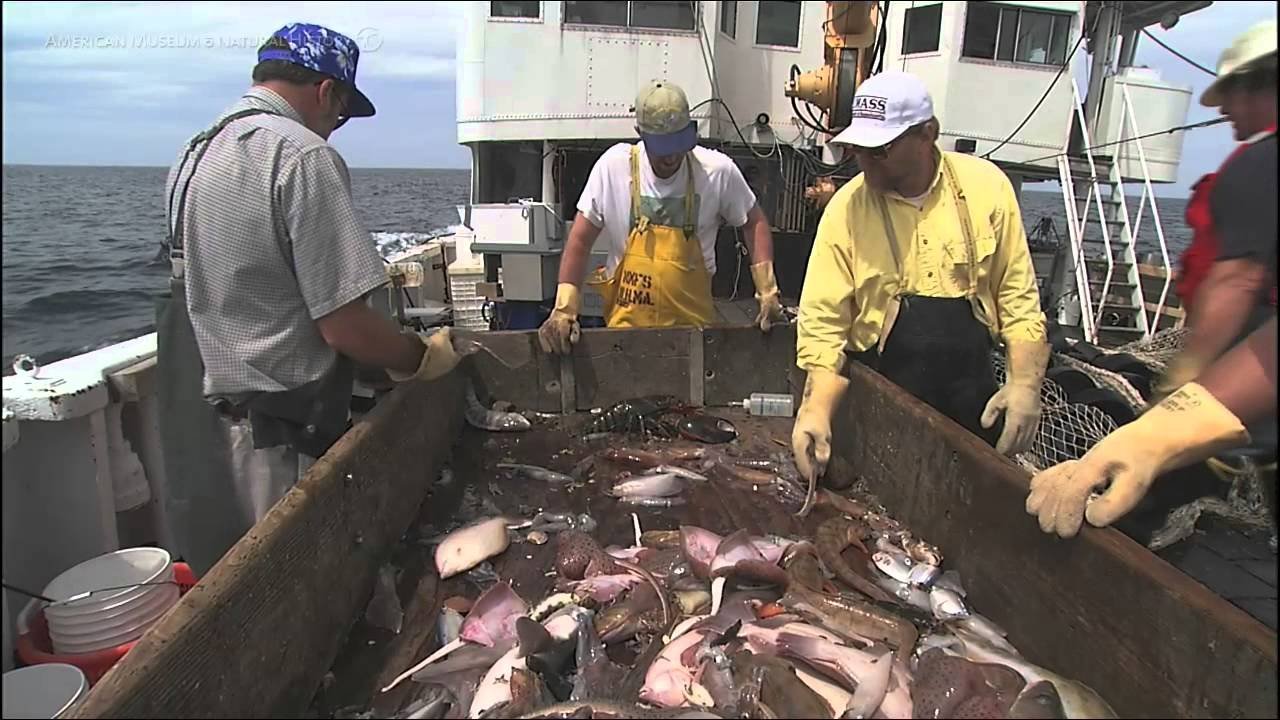
Nobody owns the ocean floor off the Georges Bank, and so between 1960 and 1994 the New England cod population collapsed by roughly 70 percent while every fishing fleet on the Atlantic raced to pull up fish before a competitor did. This race is the entirely predictable consequence of absent ownership.
Garrett Hardin formalized the problem in 1968, but the mechanism is older than economics itself. When no individual owns a resource, no individual bears the full cost of depleting it. The cost gets distributed across everyone; the benefit goes straight to whoever acts first. You extract as much as you physically can before the next boat arrives. So does the next boat. The resource disappears, and everyone stands around pointing fingers at greed. The actual culprit is the property rights regime, or rather the absence of one.
State managers offer themselves as the solution: quotas, licensing boards, regulatory agencies. The Atlantic fisheries commission issued exactly these instruments. The cod is still not back. Bureaucrats lack the price signals, local knowledge, and personal stakes that make stewardship rational. A regulator who mismanages a fishery keeps his salary; an owner who does the same loses his capital.
Private ownership forces the owner to think in time. Iceland extended exclusive fishing rights to its own coastal fishermen in 1975, drove foreign trawlers out, and now holds one of the best-managed cod stocks in the North Atlantic. Property rights did what Brussels-style quota spreadsheets could not: they tied the fisherman’s future income to the health of the stock today.
Common ownership produces a sprint to zero.


