Quotulatiousness

November 15, 2020

London’s wool and cloth trade fuelled massive growth in the city’s population after 1550

In the latest Age of Invention newsletter, Anton Howes traces the rise and fall of the late Medieval wool trade and its rebirth largely thanks to an influx of Dutch and Flemish clothmakers fleeing the wars in the Low Countries after 1550:
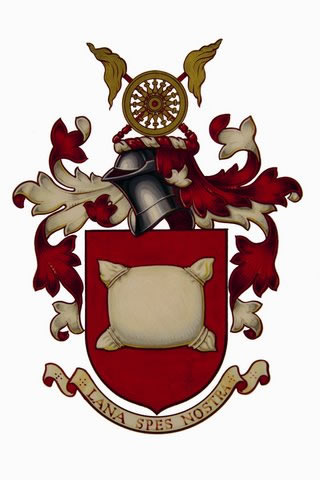
The Coat of Arms of The Worshipful Company of Woolmen — On a red background, a silver woolpack, with the addition of a crest on a wreath of red and silver bearing two gold flaxed distaffs crossed like a saltire and the wheel of a gold spinning wheel.
The Worshipful Company of Woolmen is one of the Livery Companies in the City of London. It is known to have existed in 1180, making it one of the older Livery Companies of the City. It was officially incorporated in 1522. The Company’s original members were concerned with the winding and selling of wool; presently, a connection is retained by the Company’s support of the wool industry. However, the Company is now primarily a charitable institution.
The Company ranks forty-third in the order of precedence of the Livery Companies. Its motto is Lana Spes Nostra, Latin for Wool Is Our Hope.
Wikipedia.

… it was one thing to be able to reach these new southern markets, and another thing to have something to sell in them. For the shift in the markets for wool cloth exports also required major changes in the kinds of cloth produced. In this regard, London may well have been a direct beneficiary of the 1560s-80s troubles in the Low Countries that had caused Antwerp’s fall, because thousands of skilled Flemish and Dutch clothmakers fled to England. In particular, these refugees brought with them techniques for making much lighter cloths than those generally produced by the English — the so-called “new draperies”, which could find a ready market in the much warmer Mediterranean climes than the traditional, heavy woollen broadcloths.

The introduction of the new draperies was no mere change in style, however. They were almost a completely different kind of product, involving different processes and raw materials. The traditional broadcloths were “woollens”. That is, they were made from especially fine, short, and curly wool fibres — the type that English sheep were especially famous for growing — which were then heavily greased in butter or oil in preparation for carding, whereby the fibres were straightened out and any knots removed (because of all the oil, in the Low Countries the cloths were known as the wet, or greased draperies). The oily, carded wool was then spun into yarn, and typically woven into a broad cloth about four metres wide and over thirty metres long. But it was still far from ready. The cloth had to be put in a large vat of warm water, along with some urine and a particular kind of clay, and was then trodden by foot for a few days, or else repeatedly compacted by water-powered machinery. This process, known as fulling, scoured the cloth of all the grease and shrunk it, compacting the fibres so that they began to interlock and enmesh. Any sign of the cloth being woven thus disappeared, leaving a strong, heavy, and felt-like material that was, as one textile historian puts it, “virtually indestructible”. To finish, it was then stretched with hooks on a frame, to remove any wrinkles and even it out, and then pricked with teasels — napped — to raise any loose fibres, which were then shorn off to leave it with a soft, smooth, sometimes almost silky texture. Woollens may have been made of wool, but they were no woolly jumpers. They were the sort of cloth you might use today to make a thick, heavy and luxuriant jacket, which would last for generations.

Yet this was not the sort of cloth that would sell in the much warmer south. The new draperies, introduced to England by the Flemish and Dutch clothworkers in the mid-sixteenth century, used much lower-quality, coarser, and longer wool. Later generally classed as “worsteds”, after the village of Worstead in Norfolk, they were known in the Low Countries as the dry, or light draperies. They needed no oil, and the long fibres could be combed rather than carded. Nor did they need any fulling, tentering, napping, or shearing. Once woven, the cloth was already strong enough that it could immediately be used. The end product was coarser, and much more prone to wear and tear, but it was also much lighter — just a quarter the weight of a high-quality woollen. And the fact that the weave was still visible provided an avenue for design, with beautiful diamond, lozenge, and other kinds of patterns. The new draperies, which included worsteds and various kinds of slightly heavier worsted-woollen hybrids, as well as mixes with other kinds of fibre like silk, linen, Syrian cotton, or goat hair, thus came in a dazzling number of varieties and names: from tammies or stammets, to rasses, bays, says, stuffs, grograms, hounscots, serges, mockadoes, camlets, buffins, shalloons, sagathies, frisadoes, and bombazines. To escape the charge that the new draperies were too flimsy and would not last, some varieties were even marketed as durances, or perpetuanas.

Curiously, however, while the shift from woollens to worsted saved on the costs of oiling, fulling, and finishing, it was significantly more labour-intensive when it came to spinning — even resulting in a sort of technological reversion. Given the lack of fulling, the strength of the thread mattered a lot more for the cloth’s durability, and the yarn had to be much finer if the cloth was to be light. The spinning thus had to be done with much greater care, which made it slower. Spinners typically gave up using spinning wheels, instead reverting to the old method of using a rock and distaff — a technique that has been used since time immemorial. Albeit slower, the rock and distaff gave them more control over the consistency and strength of the ever-thinner yarn. For the old, woollen drapery, processing a pack of wool into cloth in a week would employ an estimated 35 spinners. For the new, lighter worsted drapery it would take 250. As spinning was almost exclusively done by women, the new draperies provided a massive new source of income for households, as well as allowing many spinsters or widows to support themselves on their own. Indeed, an estimated 75% of all women over the age of 14 might have been employed in spinning to produce the amounts of cloth that England exported and consumed. Some historians even speculate that by allowing women to support themselves without marrying, it may have lowered the national fertility rate.

This spinning, of course, was not done in London. It was largely concentrated in Norfolk, Devon, and the West Riding of Yorkshire. But the new draperies provided employment of another, indirect kind. As a product that was saleable in warmer climes it could be exchanged for direct imports of all sorts of different luxuries, from Moroccan sugar, to Greek currants, American tobacco (imported via Spain), and Asian silks and spices (initially largely imported via the eastern Mediterranean). The English merchants who worked these luxury import trades were overwhelmingly based in London, and had often funded the voyages of exploration and embassies to establish the trades in the first place, putting them in a position to obtain monopoly privileges from the Crown so that they could restrict domestic competition and protect their profits. Unsurprisingly, as they imported everything to London, it also made sense for them to export the new draperies from London too.

Thus, despite losing the concentrating influence of nearby Antwerp, London came to be the principal beneficiary of England’s new and growing import trades, allowing it to grow still further. The city began to carve out a role for itself as Europe’s entrepôt, replacing Antwerp, and competing with Amsterdam, as the place in which all the world’s rarities could be bought (and from which they could increasingly be re-exported). Indeed, English merchants were apparently happy to sell wool cloth at below cost-price in markets like Spain or Turkey — anything to buy the luxury wares that they could monopolise back home.
November 9, 2020

Tank Chats #84 Leopard PRTL | The Tank Museum

Filed under: Germany, History, Military, Weapons — Tags: , , , — Nicholas @ 02:00

The Tank Museum
Published 6 Sep 2019

For TANKFEST 2019, The Tank Museum was extremely lucky to be able to display the Leopard PRTL courtesy of The Historic Collection of the Royal Netherlands Army, in cooperation with the National Military Museum of the Netherlands.

David Willey explores how the self-propelled anti-aircraft system, based on a Leopard 1 tank, works and operates, alongside some footage of the PRTL in action.

Support the work of The Tank Museum on Patreon: ► https://www.patreon.com/tankmuseum

Visit The Tank Museum SHOP: ► https://tankmuseumshop.org/

Twitter: ► https://twitter.com/TankMuseum
Instagram: ► https://www.instagram.com/tankmuseum/
Tiger Tank Blog: ► http://blog.tiger-tank.com/
Tank 100 First World War Centenary Blog: ► http://tank100.com/
#tankmuseum #tanks

October 1, 2020

Historical Breakdown of A Bridge Too Far – Planning and Failure of Market Garden I RHINELAND 45

The Great War
Published 30 Sep 2020

Support our brand new World War 2 documentary about The Battle of the Rhineland (not to be released on YouTube): https://realtimehistory.net/rhineland45

After last year’s Downfall video (with over 1 million views!) we thought we look at another classic WW2 movie and give you a breakdown about the historical figures and background. Our pick this time: A Bridge Too Far.

» SUPPORT THE CHANNEL
Patreon: https://www.patreon.com/thegreatwar

» OUR PODCAST
https://realtimehistory.net/podcast – interviews with World War 1 historians and background info for the show.

» BUY OUR SOURCES IN OUR AMAZON STORES
https://realtimehistory.net/amazon *
*Buying via this link supports The Great War (Affiliate-Link)

» SOURCES
A. Beevor, Arnhem: The Battle for the Bridges (2018)
B. Horrocks, Escape to Action (1960)
R. Neillands, The Battle for the Rhine 1944 (2005)
Builder, Bankes, Nordin, Command Concepts (1999)
www.pegasusarchive.org
www.nam.ac.uk/explore/market-garden
www.iwm.org.uk/history/the-story-of-operation-market-garden-in-photos

» MORE THE GREAT WAR
Website: https://realtimehistory.net
Instagram: https://instagram.com/the_great_war
Twitter: https://twitter.com/WW1_Series
Reddit: https://reddit.com/r/TheGreatWarChannel

»CREDITS
Presented by: Jesse Alexander
Written by: Jesse Alexander
Director: Toni Steller & Florian Wittig
Director of Photography: Toni Steller
Sound: Toni Steller
Editing: Toni Steller
Motion Design: Philipp Appelt
Mixing, Mastering & Sound Design: http://above-zero.com
Maps: Daniel Kogosov (https://www.patreon.com/Zalezsky)
Research by: Matthew Moss
Fact checking: Florian Wittig

Channel Design: Alexander Clark
Original Logo: David van Stephold

Contains licensed material by getty images
All rights reserved – Real Time History GmbH 2020

From the comments:

The Great War
6 hours ago
Support our brand new World War 2 documentary about The Battle of the Rhineland (not to be released on YouTube): https://realtimehistory.net/rhineland45 *

*We know that some of you don’t like the fact that we upload non-Great War content once in a while. But here are a few fun facts: Last year’s video about THAT scene from Downfall has been one of our most successful videos ever produced. It helped us spreading the word about our crowdfunding campaign last year and it also brought new subscribers to The Great War that hadn’t heard about it. And in the cut-throat world of the YouTube attention economy this is really important for our continued existence. Another “fun” fact: Both this video and the Downfall video were both claimed for copyright violation even though they clearly fall under fair use. We disputed and lost and now there is nothing we can do about the fact that someone else is earning money through our work. Just one of the reasons why it’s increasingly frustrating working with YouTube and why we are exploring other avenues for The Great War and our other projects.

September 25, 2020

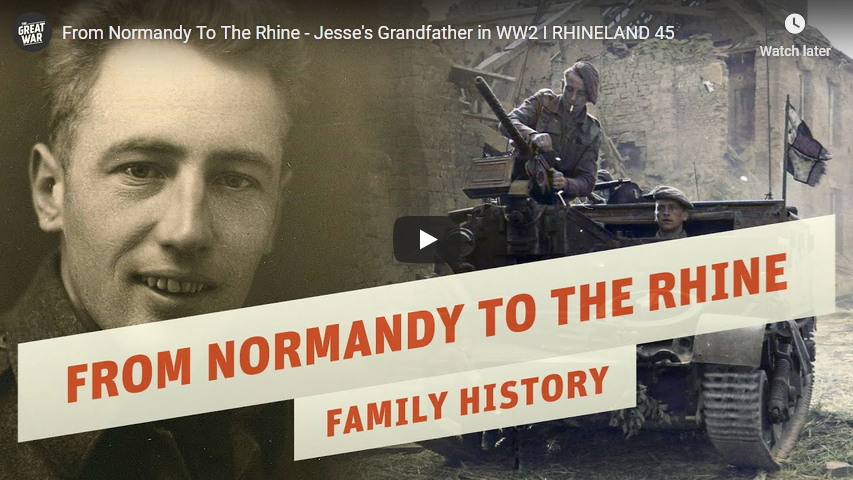
From Normandy To The Rhine – Jesse’s Grandfather in WW2 I RHINELAND 45

Filed under: Cancon, Germany, History, Military, WW2 — Tags: , , , , — Nicholas @ 06:00

The Great War
Published 23 Sep 2020

Back Rhineland 45: https://realtimehistory.net/rhineland45

Jesse shares the service history of his grandfather James who fought in the Canadian Army.

Contains licensed material by getty images
All rights reserved – Real Time History GmbH 2020

July 22, 2020

Glorious Revolution | 3 Minute History

Filed under: Britain, France, History, Military, Religion — Tags: , , , , , — Nicholas @ 02:00

Jabzy
Published 21 Jul 2015

Sorry about the delay I’ve been without internet while I’ve moved apartment. And thanks for the 9,000 subs

Thanks to Xios, Alan Haskayne, Lachlan Lindenmayer, William Crabb, Derpvic, Seth Reeves and all my other Patrons. If you want to help out – https://www.patreon.com/Jabzy?ty=h

Please let me know if I’ve forgot to mention you, I’m a little disorganized without internet.

July 15, 2020

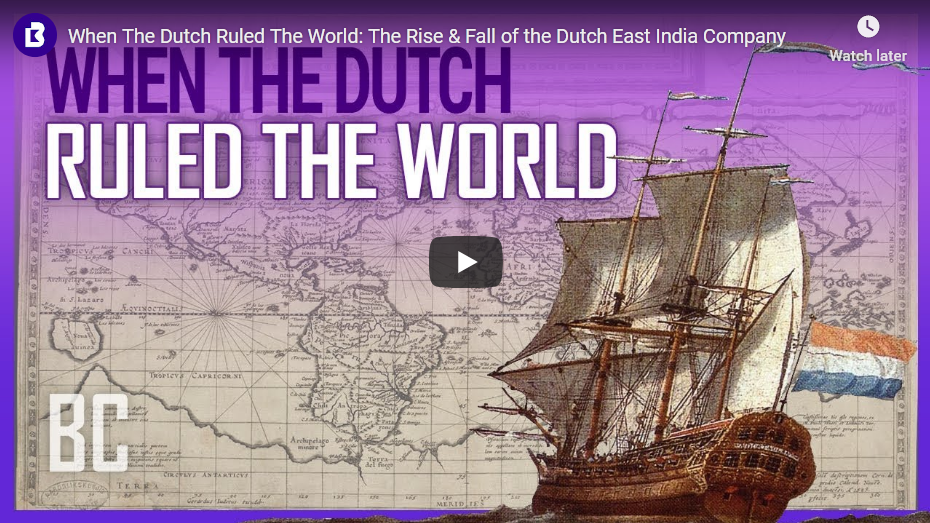
When The Dutch Ruled The World: Rise and Fall of the Dutch East India Company

Filed under: Asia, Business, Europe, History, India — Tags: , , , , , , — Nicholas @ 02:00

Business Casual
Published 14 Sep 2018

Thanks to Cheddar for sponsoring this episode! Check out their video on the iconic ad campaign that saved Old Spice here: https://chdr.tv/youtu8b4a6

⭑ Subscribe to Business Casual → http://gobc.tv/sub
⭑ Enjoyed the vid? Hit the like button!

Follow us on:
► Twitter → http://gobc.tv/twtr
► Instagram → https://gobc.tv/ig
► LinkedIn → https://gobc.tv/linkedin
► Reddit → https://gobc.tv/reddit
► Medium → https://gobc.tv/medium

June 19, 2020

Anglo-Dutch Wars | 3 Minute History

Filed under: Britain, Europe, History, Military — Tags: , , , , , , — Nicholas @ 02:00

Jabzy
Published 25 Apr 2015

First, Second and Third Anglo-Dutch Wars. I left out the Fourth War because it really wasn’t connected to the previous 3.

Also – I hope you don’t mind I used ‘Netherlands’ throughout the video despite the fact the term didn’t come until much later.

June 6, 2020

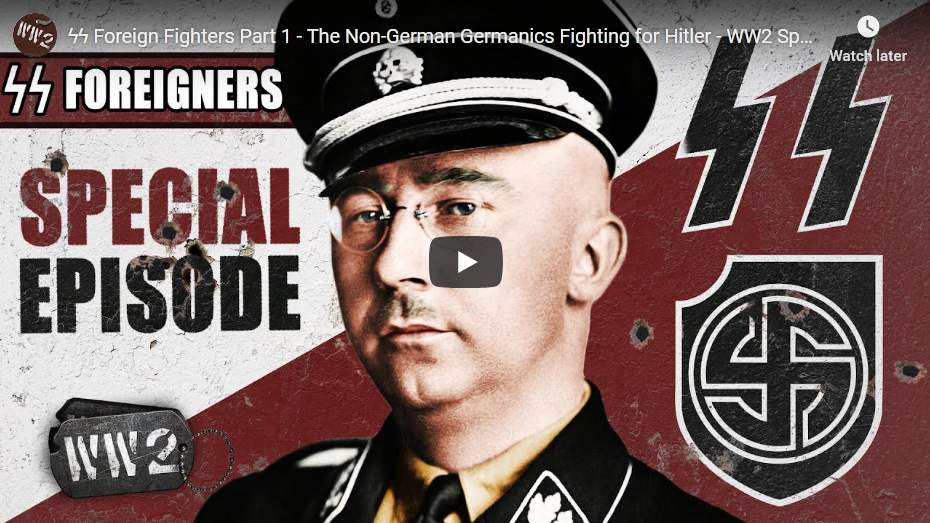
ϟϟ Foreign Fighters Part 1 – The Non-German Germanics Fighting for Hitler – WW2 Special

Filed under: Europe, Germany, History, Military, WW2 — Tags: , , , , , , — Nicholas @ 06:00

World War Two
Published 5 Jun 2020

The SS are the elite force of the Third Reich, representing everything good about the German race. But half of them will one day be foreign-born non-Germans. How did this happen?

Join us on Patreon: https://www.patreon.com/TimeGhostHistory
Or join The TimeGhost Army directly at: https://timeghost.tv

Follow WW2 day by day on Instagram @World_war_two_realtime https://www.instagram.com/world_war_t…
Between 2 Wars: https://www.youtube.com/playlist?list…
Source list: http://bit.ly/WW2sources

Hosted by: Spartacus Olsson
Written by: Francis van Berkel
Director: Astrid Deinhard
Producers: Astrid Deinhard and Spartacus Olsson
Executive Producers: Astrid Deinhard, Indy Neidell, Spartacus Olsson, Bodo Rittenauer
Creative Producer: Joram Appel
Post-Production Director: Wieke Kapteijns
Research by: Francis van Berkel
Edited by: Mikołaj Cackowski
Sound design: Marek Kamiński
Map animations: Eastory (https://www.youtube.com/c/eastory)

Colorizations by:
Dememorabilia – https://www.instagram.com/dememorabilia/

Sources:
Bundesarchiv
Riksarkivet, image no. Fo30141711140064, Fo30141711140100_67, Fo30141711140102, Fo30141711140092
National Museum of Denmark
National Archives of Denmark
National Library of Norway
Narodowe Archiwum Cyfrowe
USHMM
from the Noun Project: Glasses by Yeong Rong Kim, Smile by The Icon Z, family tree by Kid Kitaro

Soundtracks from the Epidemic Sound:
Johannes Bornlof – “The Inspector 4”
Philip Ayers – “Trapped in a Maze”
Reynard Seidel – “Deflection”
Johannes Bornlof – “Deviation In Time”
Fabien Tell – “Last Point of Safe Return”
Rannar Sillard – “March Of The Brave 10”
Gunnar Johnsen – “Not Safe Yet”

Archive by Screenocean/Reuters https://www.screenocean.com.

A TimeGhost chronological documentary produced by OnLion Entertainment GmbH.

From the comments:

World War Two
1 hour ago (edited)
If you came for the glory of the SS you will be disappointed by this video, there is nothing cool about the SS, truly nothing. They represent the most terrible part of humanity and perpetrated the worst crimes against humanity that you can imagine, things a short video like this cannot do justice on its own. To understand the depths of these horrors we recommend that you follow our War Against Humanity series, also hosted by Spartacus here: https://www.youtube.com/playlist?list=PLsIk0qF0R1j4cwI-ZuDoBLxVEV3egWKoM

May 21, 2020

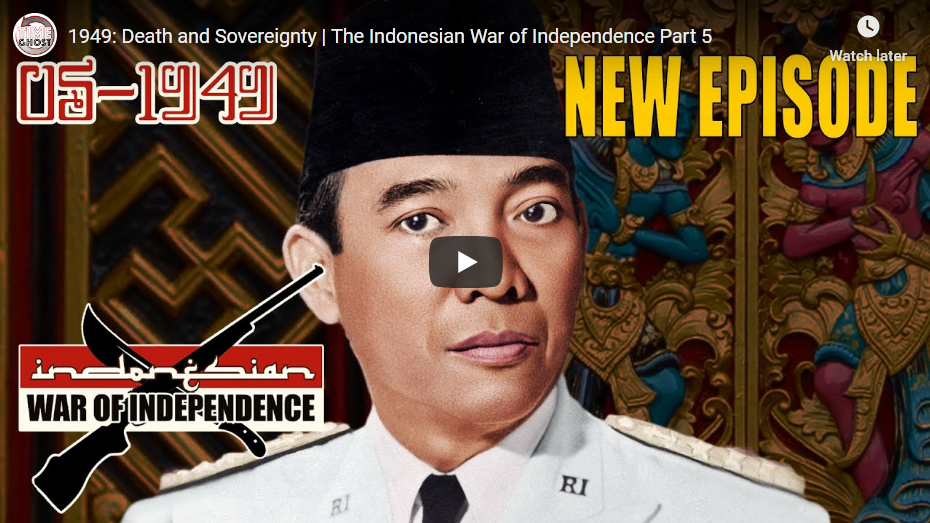
1949: Death and Sovereignty | The Indonesian War of Independence Part 5

TimeGhost History
Published 20 May 2020

The Dutch reconquered most of the Indonesian cities on Java and Sumatra, but the Indonesian War of Independence continues as the international community grows tired of the Dutch attitude.

Join us on Patreon: https://www.patreon.com/TimeGhostHistory

Hosted by: Indy Neidell
Written by: Isabel Wilson and Joram Appel
Director: Astrid Deinhard
Producers: Astrid Deinhard and Spartacus Olsson
Executive Producers: Astrid Deinhard, Indy Neidell, Spartacus Olsson, Bodo Rittenauer
Creative Producer: Joram Appel
Post-Production Director: Wieke Kapteijns
Research by: Isabel Wilson and Joram Appel
Edited by: Karolina Dołęga
Maps: Ryan Weatherby
Sound design: Marek Kamiński

Colorizations:
Carlos Ortega Pereira (BlauColorizations) – https://www.instagram.com/blaucoloriz…

Bibliography: https://bit.ly/IndoSources

Image Sources:
Nationaal Archief
Tropenmuseum, part of the National Museum of World Cultures
Journal of the Humanities and Social Sciences of Southeast Asia
Tukangpulas – https://www.instagram.com/tukangpulas…

The icons from The Noun Project by Adrien Coquet

Archive by Screenocean/Reuters https://www.screenocean.com.

A TimeGhost chronological documentary produced by OnLion Entertainment GmbH.

From the comments:

TimeGhost History
1 day ago
We have seen two colonial offensives, two peace agreements, civil wars and multiple foreign interventions. And yet, 1949 is the most deadly year of the entire Indonesian War of Independence. And, without spoiling the episode, stuff doesn’t end in 1949. Indonesia will stay the stage of revolts, colonialism, civil war and ideological purges for decades to come. We won’t get to cover that in these series, as these are exclusively about the Indonesian War of Independence from 1945 to 1949. We might revisit the area in the future though. If you want to support that, and share in the decision of what series to make next, you can support us on www.patreon.com/timeghosthistory or https://timeghost.tv.
Cheers, Joram and Izzy

May 14, 2020

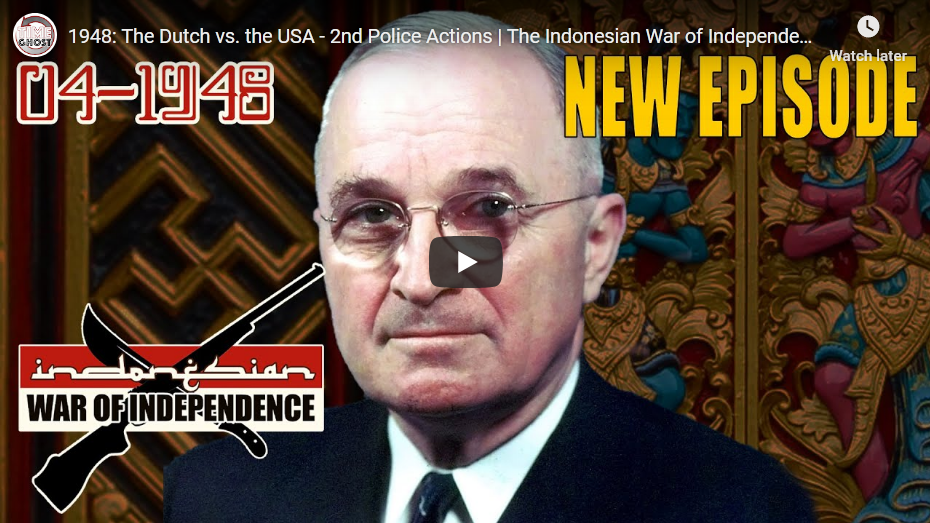
1948: The Dutch vs. the USA – 2nd Police Actions | The Indonesian War of Independence Part 4

TimeGhost History
Published 13 May 2020

The international community forces the Dutch to end their first colonial offensive with the Renville Agreement. However, as the Dutch, the Indonesian Republicans and the multiple other groups continue fighting, an impasse devolops.

Join us on Patreon: https://www.patreon.com/TimeGhostHistory

Hosted by: Indy Neidell
Written by: Joram Appel
Director: Astrid Deinhard
Producers: Astrid Deinhard and Spartacus Olsson
Executive Producers: Astrid Deinhard, Indy Neidell, Spartacus Olsson, Bodo Rittenauer
Creative Producer: Joram Appel
Post-Production Director: Wieke Kapteijns
Research by: Joram Appel and Isabel Wilson
Edited by: Karolina Dołęga
Sound design: Marek Kamiński

Colorizations:
Dememorabilia – https://www.instagram.com/dememorabilia/
Carlos Ortega Pereira (BlauColorizations – https://www.instagram.com/blaucoloriz…
Jaris Almazani (Artistic Man) – https://instagram.com/artistic.man?

Research Sources: https://bit.ly/IndoSources

Visual Sources:
Nationaal Archief
National Archives NARA
Tropenmuseum, part of the National Museum of World Cultures

Icons from the Noun Project by Wonmo Kang, Creative Mania & Claudia Revalina

Archive by Screenocean/Reuters https://www.screenocean.com.

Music:
“Other Sides of Glory” – Fabien Tell
“Remembrance” – Fabien Tell
“Sailing for Gold” – Howard Harper-Barnes
“Last Point of Safe Return” – Fabien Tell
“It’s Not a Game” – Philip Ayers
“Moving to Disturbia” – Experia
“March Of The Brave 10” – Rannar Sillard
“March Of The Brave 9” – Rannar Sillard

A TimeGhost chronological documentary produced by OnLion Entertainment GmbH.

May 7, 2020

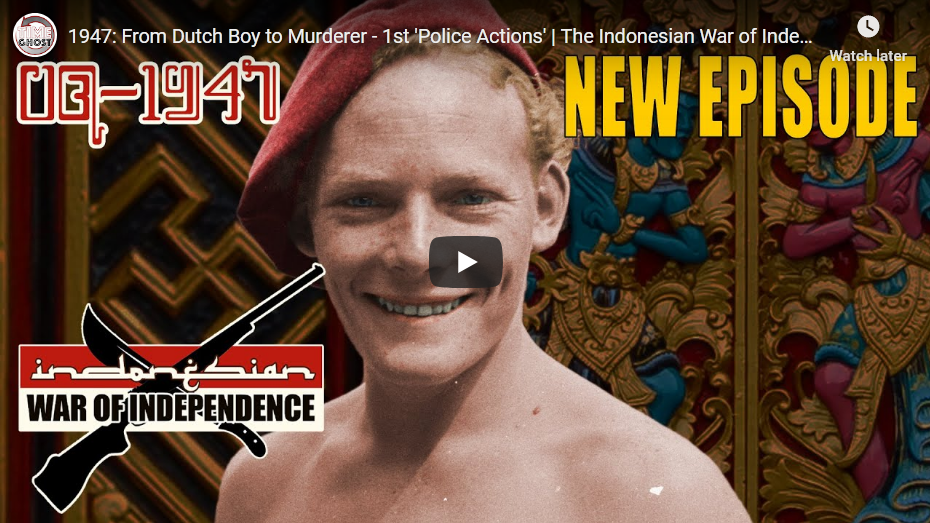
1947: From Dutch Boy to Murderer – 1st “Police Actions” | The Indonesian War of Independence Part 3

Filed under: Asia, Europe, History, Military — Tags: , , , , , , — Nicholas @ 04:00

TimeGhost History
Published 6 May 2020

The Dutch are desperate to regain control over their colony as the Lingadjatti Treaty failed to deliver. They launch a brutal military offensive which they mask as “police actions” in an attempt to satisfy the international community.

Join us on Patreon: https://www.patreon.com/TimeGhostHistory

Hosted by: Indy Neidell
Written by: Joram Appel
Director: Astrid Deinhard
Producers: Astrid Deinhard and Spartacus Olsson
Executive Producers: Astrid Deinhard, Indy Neidell, Spartacus Olsson, Bodo Rittenauer
Creative Producer: Joram Appel
Post-Production Director: Wieke Kapteijns
Research by: Joram Appel and Isabel Wilson
Edited by: Karolina Dołęga
Sound design: Marek Kamiński

Colorizations:
Carlos Ortega Pereira (BlauColorizations) – https://www.instagram.com/blaucoloriz…
Dememorabilia – https://www.instagram.com/dememorabilia/
Jaris Almazani (Artistic Man) – https://instagram.com/artistic.man?ig…
Klimbim

Research Sources: https://bit.ly/IndoSources

Visual Sources:
Nationaal Archief
Tropenmuseum, part of the National Museum of World Cultures
Archive by Screenocean/Reuters https://www.screenocean.com.

Music:
“Last Point of Safe Return” – Fabien Tell
“Guilty Shadows 4” – Andreas Jamsheree
“Epic Adventure Theme 4” – Håkan Eriksson
“Symphony of the Cold-Blooded” – Christian Andersen
“Disciples of Sun Tzu” – Christian Andersen
“March Of The Brave 10” – Rannar Sillard – Test
“Remembrance” – Fabien Tell
“Moving to Disturbia” – Experia
“Deflection” – Reynard Seidel
“Heroes On Horses” – Gunnar Johnsén
“Not Safe Yet” – Gunnar Johnsen
“Ominous” – Philip Ayers
“Last Point of Safe Return” – Fabien Tell
“Epic Adventure Theme 4” – Håkan Eriksson
“Walk With Legends” – Bonnie Grace
“Epic Adventure Theme 4” – Håkan Eriksson

A TimeGhost chronological documentary produced by OnLion Entertainment GmbH.

April 30, 2020

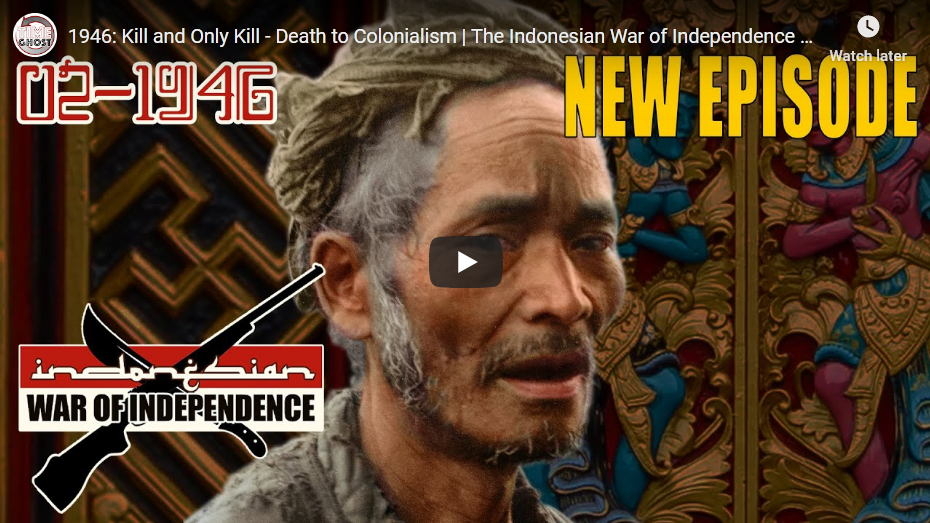
1946: Kill and Only Kill – Death to Colonialism | The Indonesian War of Independence Part 2

Filed under: Asia, History, Military — Tags: , , , , , , , — Nicholas @ 06:00

TimeGhost History
Published 29 Apr 2020

The Indonesian War of Independence is heavily fuelled by the gangs of youngsters who go by the name of Pemuda. They engage in clandestine guerrilla fighting as their revolution takes a violent turn.

Join us on Patreon: https://www.patreon.com/TimeGhostHistory

Hosted by: Indy Neidell
Written by: Isabel Wilson and Joram Appel
Director: Astrid Deinhard
Producers: Astrid Deinhard and Spartacus Olsson
Executive Producers: Astrid Deinhard, Indy Neidell, Spartacus Olsson, Bodo Rittenauer
Creative Producer: Joram Appel
Post-Production Director: Wieke Kapteijns
Research by: Isabel Wilson and Joram Appel
Edited by: Karolina Dołęga
Sound design: Marek Kamiński

Colorizations:
Dememorabilia – https://www.instagram.com/dememorabilia/
Jaris Almazani (Artistic Man) – https://instagram.com/artistic.man?ig…
Carlos Ortega Pereira (BlauColorizations) – https://www.instagram.com/blaucoloriz…

Research Sources: https://bit.ly/IndoSources

Sources:
Tropenmuseum part of the National Museum of World Cultures
Nationaal Archief
Imperial Wars Museum: SE7034; SE5663

Music:
“Deviation In Time” – Johannes Bornlof
“Disciples of Sun Tzu” – Christian Andersen
“Epic Adventure Theme 4” – Håkan Eriksson
“Guilty Shadows 4” – Andreas Jamsheree
“Last Point of Safe Return” – Fabien Tell
“Magnificent March 3” – Johannes Bornlöf
“March Of The Brave 10” – Rannar Sillard
“The End Of The World 2” – Håkan Eriksson
“The Inspector 4” – Johannes Bornlöf
“The Unexplored” – Philip Ayers.
“Try and Catch Us Now” – David Celeste

Archive by Screenocean/Reuters https://www.screenocean.com.

A TimeGhost chronological documentary produced by OnLion Entertainment GmbH.

From the comments:

TimeGhost History
1 day ago (edited)
For the research of this episode about Indonesian revolutionary culture in 1946, I mostly turned to the diaries and writings of those who were there. Reading the untouched experiences was so absorbing and allowed for writing a bottom-up narrative. Something that didn’t make it into the video was the work of Chairil Anwar, a poet who died young a few years after the War of Independence. Dwelling about the life and death of the individual during the revolution, his poetry defied Indonesia’s antagonists. In his poem “Notes for 1946”, he writes of how it felt to be among the young generation of Indonesia: “We – running dogs, hunting hounds – we get to see only a moment of this drama we play in.” I’d definitely recommend reading his work if you’re interested!
Cheers, Izzy.

April 23, 2020

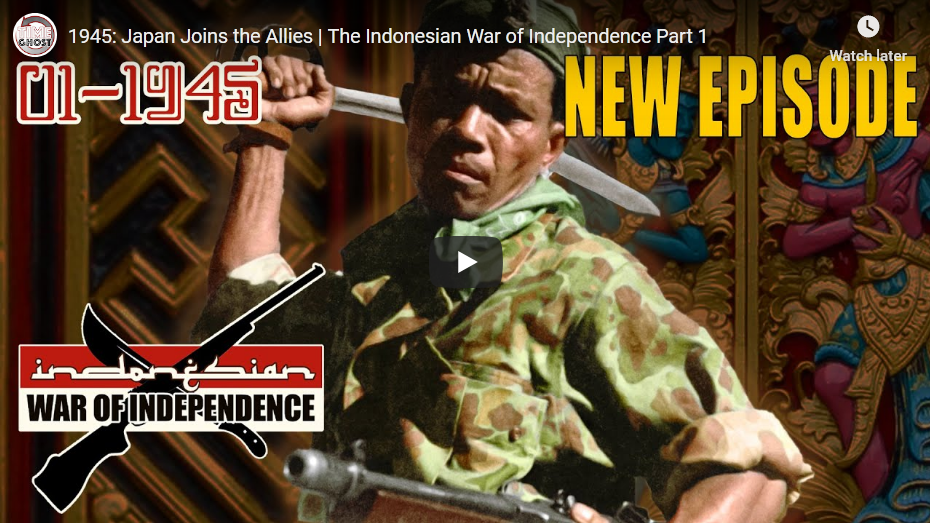
1945: Japan Joins the Allies | The Indonesian War of Independence Part 1

Filed under: Asia, Britain, Europe, History, Japan, Military, WW2 — Tags: , , , , , — Nicholas @ 04:00

TimeGhost History
Published 22 Apr 2020

In Indonesia, following the end of the Second World War catalyses the end of brutal Japanese rule. Their exit prompts the Dutch to begin restoring their prewar colonial status over the archipelago. But nationalist spirits are brewing, their opportunity to proclaim Indonesian independence is transpiring.

Join us on Patreon: https://www.patreon.com/TimeGhostHistory

Watch the Prologue to the Indonesian War of Independence series right here: https://youtu.be/IkKJSRaeOik

Hosted by: Indy Neidell
Written by: Isabel Wilson and Joram Appel
Director: Astrid Deinhard
Producers: Astrid Deinhard and Spartacus Olsson
Executive Producers: Astrid Deinhard, Indy Neidell, Spartacus Olsson, Bodo Rittenauer
Creative Producer: Joram Appel
Post-Production Director: Wieke Kapteijns
Research by: Isabel Wilson and Joram Appel
Edited by: Karolina Dołęga
Sound design: Marek Kaminski

Colorizations:
Dememorabilia – https://www.instagram.com/dememorabilia/
Jaris Almazani (Artistic Man) – https://instagram.com/artistic.man?ig…

Sources:
Archive by Screenocean/Reuters https://www.screenocean.com.
Tropenmuseum, part of the National Museum of World Cultures
Imperial War Museum Arts: Ronald Searle, SE5895 , SE-5865, SE5663, SE5724
Rijksmuseum

Music:
“Deviation In Time” – Johannes Bornlof
“Last Point of Safe Return” – Fabien Tell
“Deflection” – Reynard Seidel
“Disciples of Sun Tzu” – Christian Andersen
“Split Decision” – Rannar Sillard
“Other Sides of Glory” – Fabien Tell
“Last Man Standing 3” – Johannes Bornlöf
“Magnificent March 3” – Johannes Bornlöf
“Deviation In Time” – Johannes Bornlof

A TimeGhost chronological documentary produced by OnLion Entertainment GmbH.

From the comments:

TimeGhost History
1 day ago (edited)
For the last decades, writing colonial histories on events such as the Indonesian War of Independence has been a difficult task. Due to the incriminating nature of the events, records were either never made or have been regularly “lost” since. Political interest in the events was minimal in both The Netherlands and Indonesia, but times are changing. In recent years, a lot more research power has been allocated to this topic by Dutch and Indonesian Universities and Research collectives. Finding colonial truths is a huge focus of academia right now and their work has allowed us to get real with colonialism in this series. We’re sure that even more sources and stories will surface in the coming years, allowing for more books and documentary such as ours to be made. We’re interested to hear what you think about this episode! Make sure to let us know in the comments!

Cheers,
Izzy

April 16, 2020

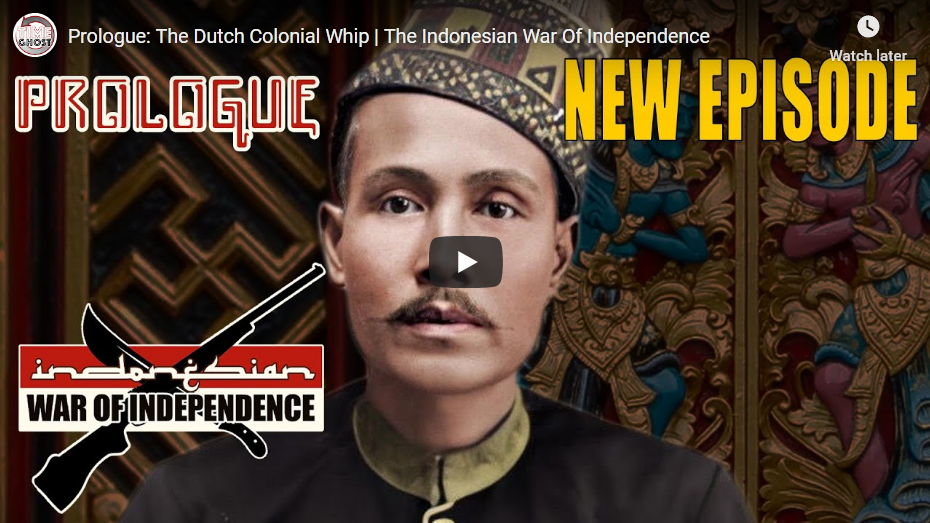
Prologue: The Dutch Colonial Whip | The Indonesian War Of Independence

Filed under: Asia, Europe, History, Military — Tags: , , , , , , — Nicholas @ 04:00

TimeGhost History
Published 15 Apr 2020

This is the prologue to our five-part Indonesian War of Independence Miniseries. It sets the stage of brutal colonial repression, a growing sense of Indonesian Nationalism and ultimately the desire to be free.

Join us on Patreon: https://www.patreon.com/TimeGhostHistory

Hosted by: Indy Neidell

Written by:
Spartacus Olsson and Joram Appel
Directed by: Astrid Deinhard
Produced by: Astrid Deinhard and Spartacus Olsson
Executive Producers: Astrid Deinhard, Indy Neidell, Spartacus Olsson, Bodo Rittenauer
Creative Producer: Joram Appel
Post-Production Director: Wieke Kapteijns
Research by: Joram Appel and Isabel Wilson
Edited by: Wieke Kapteijns, Guido Becker
Sound design: Marek Kamiński

Colorizations by: Dememorabilia – https://www.instagram.com/dememorabilia/

Research Sources: https://bit.ly/IndoSources

Visual Sources:

Tropenmuseum, part of the National Museum of World Cultures
Wellcome Images

Icons retrieved via The Nounproject: gold by Phạm Thanh Lộc, slaves by Salaidinovich, silver by Marie Van den Broeck, spice by ahmad, Opium Poppies by Matt Wasser.

Music:
“Disciples of Sun Tzu” – Christian Andersen
“Weapon of Choice” – Fabien Tell
“Guilty Shadows 4” – Andreas Jamsheree
“Road To Tibet 5” – Rannar Sillard
“Sailing for Gold” – Howard Harper-Barnes
“The Inspector 4” – Johannes Bornlöf
“The Dominion” – Bonnie Grace
“Heroes On Horses” – Gunnar Johnsén
“Not Safe Yet” – Gunnar Johnsen

A TimeGhost chronological documentary produced by OnLion Entertainment GmbH.

From the comments:

TimeGhost History
2 days ago (edited)
This is the prologue to our new ‘Indonesian War of Independence’ mini-series. Now, we initially only wanted to do five episodes, but episode one became double as long as we imagined, so we decided to cut the historical context out and put it in a prologue. These series are mainly written by Joram and Isabel, two historians from the Netherlands and the United Kingdom. Now, you might say that we are not in the best position to talk about European Imperialism because of that. However, as we’re both academically trained historians, we believe that we’re able to overcome any bias through the use of academic methods and peer-reviewed academic sources. If anyone is interested to take a look at our source-list, you can find it right here: https://bit.ly/IndoSources

These mini-series have been chosen out of a bigger selection by our TimeGhost Army. They fund almost our entire production – this would not exist without them. Become one of them to choose future series and to support the creation of content just like this! You can do that at patreon.com/timeghosthistory or https://timeghost.tv.

Cheers,
Joram

April 3, 2020

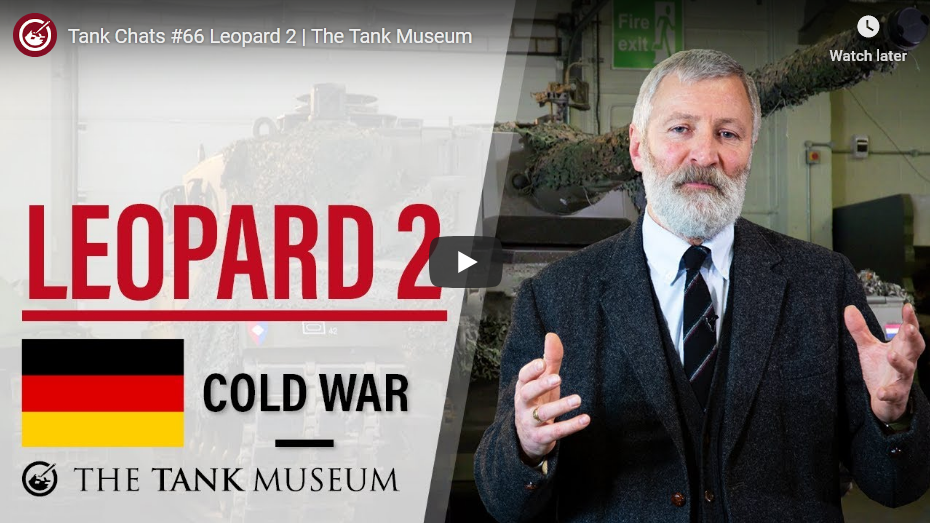
Tank Chats #66 Leopard 2 | The Tank Museum

Filed under: Germany, History, Military, Weapons — Tags: , , , , , — Nicholas @ 02:00

The Tank Museum
Published 8 Feb 2019

Curator David Willey gives chapter and verse on the German Main Battle Tank, Leopard 2, which first entered service with West Germany during the Cold War.

The Leopard 2 Main Battle Tank was kindly temporarily loaned to The Tank Museum by the Historic Collection of the Royal Netherlands Army.

Some stills and footage: © All rights reserved. (AR2011-0034-009, PA01-2016-0139-076, IS2010-3030-24, IS2011-1021-15, IS14-2017-0003-049, B11-ATHENA-020) reproduced with the permission of DND/CAF (2019)

At 8:55 Leopard 2 from The Arsenalen Museum, Sweden.

Support the work of The Tank Museum on Patreon: ► https://www.patreon.com/tankmuseum

Visit The Tank Museum SHOP: ► https://tankmuseumshop.org/
Twitter: ► https://twitter.com/TankMuseum
Tiger Tank Blog: ► http://blog.tiger-tank.com/
Tank 100 First World War Centenary Blog: ► http://tank100.com/ #tankmuseum #tanks #tankchats

« Newer Posts — Older Posts »

Powered by WordPress