
World War Two
Published 25 May 2021Before the infamous day that was Pearl Harbor, US and Japanese military planners worked to envision what a future war in the Pacific would look like. With the entire region now a war zone, it is time to put their theories to the test. Watch the video to find out what these are.
(more…)
May 26, 2021
The Great All-Out Battle – Naval Warfare in the Pacific – WW2 Special
Comments Off on The Great All-Out Battle – Naval Warfare in the Pacific – WW2 Special
May 9, 2021
“The PMO and senior defence officials knew [about the sexual assault allegations]. For three years. … No one cared.”
The federal government collectively and individually (in the person of Justin Trudeau’s chief of staff) continues to do their vastly unconvincing Sergeant Schultz imitation, “I see nothing! I hear nothing! I know nothing!”
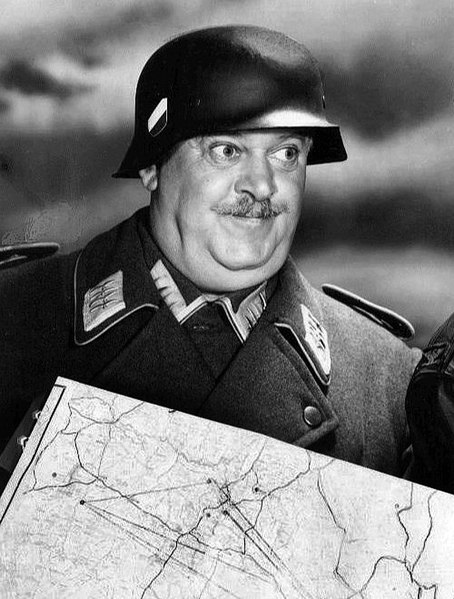
John Banner as Sergeant Schultz in Hogan’s Heroes, 1965.
CBS Television promotional photo via Wikimedia Commons.
We at The Line ended a long week staring agog and aghast at Katie Telford, the prime minister’s chief of staff, who was interviewed by members of the Standing Committee on National Defence over her knowledge (such as it was) of the sexual misconduct allegations made against now-retired Army general Jonathan Vance.
Vance, until recently the chief of the defence staff, the highest position in the Canadian Armed Forces, was accused of sexual misconduct by a female subordinate in 2018, but nothing came of it because, well, hey, Telford explained. Life is complicated. Right?
We don’t really have the emotional wherewithal to summarize the entire proceeding at length. Suffice it to say that nothing new was learned. Telford’s defence continues to be the same as the ones offered by other Liberal officials — they knew there was an allegation of some kind, but not what the allegation was. And they were clearly content to leave it that way for three years. The problem for Telford, of course, is that Global News already obtained documents showing internal emails among senior staff openly discussing “sexual harassment” allegations against Vance. We accept that Telford and other high mucky-mucks didn’t know the details of the allegations, but if they didn’t know that they were related to sexual misconduct, their ignorance was a product of a deliberate, sustained multi-year effort.
Our official opposition wasn’t exactly draping itself in glory either, alas, which might explain why they remain a distant second in the polls. The Tory MPs on the committee clearly had their battle plan, and they were sticking to it: they wanted to know why Telford hadn’t told the PM that there had been allegations of some kind against Gen. Vance, or who had made that decision, if not her. We know that they wanted to know this because they asked her this 50 or so fucking times. And each time she just declined to answer, offering up some word salad instead. Yet the Tory MPs just kept going in again and again, like infantry marching into machine-gun nests in one of the dumber battles of the First World War. We assume their strategy was to create memorable soundbite moments of Telford refusing to answer, or maybe trip her up into a gotcha. But the Tories spent so much time repeating the one question Telford had already made manifestly clear she was not gonna answer that they didn’t ask a way better question: what the hell are women in the armed forces supposed to react to the fact that their government knew that there were sexual misconduct allegations against Gen. Vance, and that they just sat around and waited for him to retire three years later?
Look, we weren’t born yesterday. If we were, we wouldn’t be as exhausted as we are. (Though probably roughly equally as frightened of sudden loud noises.) We know that there is a political desire for the CPC to link Trudeau himself to the scandal. But there was a bigger, more profound scandal laying right before their eyes — everyone in the PMO and the senior levels of National Defence knew there were unanswered questions about Gen. Vance and they were all A-fucking-OK with that. For years. The right questions to ask weren’t what Trudeau knew, and when, or who chose to tell (or not tell) him this, that or the other thing. The only relevant question is how these people could dare look any female member of the military, or any of their loved ones, in the eyes.
The PMO and senior defence officials knew. For three years. They didn’t know everything, but they knew enough to know they should know more. No one cared. So Gen. Vance stayed in command, and oversaw the military’s efforts to, uh, root out sexual misconduct and end impunity among high-ranked abusers.
That’s what the CPC should have been asking about, and that’s what Canadians should be angry about. But they didn’t, and we aren’t. And that’s why nothing’s gonna change.
Comments Off on “The PMO and senior defence officials knew [about the sexual assault allegations]. For three years. … No one cared.”
May 2, 2021
“The PMO was told that Canada’s top soldier was accused of sexual misconduct, and they ignored it. It just didn’t move their give-a-shit needle.”
The weekend edition of The Line looks at the outrageous failure of Canada’s military high command and the government officials charged with oversight of the Canadian Armed Forces:
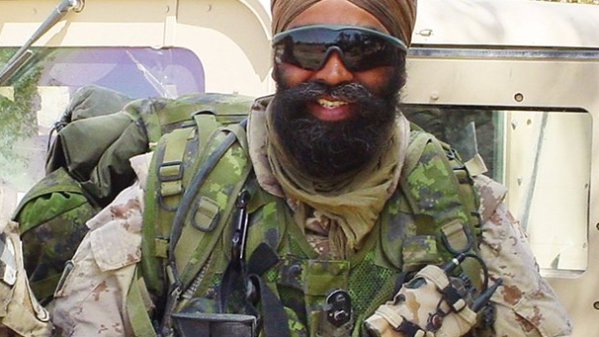
Canadian Defence Minister (at least for the moment) Harjit Sajjan.
This week saw a mealy mouthed political non-apology for the record books from Minister of National Defence Harjit Sajjan, who wants any women in the military who feel like they were let down to know that the government is very, very sorry. Gee, thanks, Minister. What a profile in courage that is. How reassuring to the women — and some men! — in the military either living with the reality or memory of sexual misconduct in the ranks.
And then there was the double-double approach to Supreme Court justices. Marie Deschamps wrote a detailed report on sexual misconduct in the military in 2015 (this report was discussed in depth here at The Line previously). Some of the action items in that report have been enacted, and things are therefore slightly better. But there is a lot more that could be done, that was already spelled out by Deschamps, and the report is just sitting there, neglected by all comers like those weird bagels with raisins in them. Now that the Minister has gotten the non-apology monkey off his back, maybe he’d like to grab the goddamn report he already has and, like, you know, do something with it?!
No. No, dear readers, he does not. What he’d like to do is appoint another former Supreme Court justice to write another report.
LOL! Just kidding. What he wants to do is buy time. The minister is hoping — and he will probably be proven right! — that Canadians won’t care about some lady soldiers getting harassed or outright raped in the military, not if his government can stick the vaccine landing, as seems increasingly likely. Sajjan has had literally years to take on the well-known issues inside the Canadian Forces, and he’s nibbled around the edges a bit, and no more. Only now that his ass is hanging out in the wind, along with a bunch of PMO staffer asses, and perhaps the prime minister’s, has the party rediscovered the urgency of the issue.
Pointing out the many ways that Trudeau and his government fail to live up to their own branding is almost a joke these days. Like, gosh, what more can we say? But if you have any capacity for shock and outrage left, and yeah, we know that’s a big if, this should set you off. The facts are plain. There’s no longer any dispute. The PMO was told that Canada’s top soldier was accused of sexual misconduct, and they ignored it. It just didn’t move their give-a-shit needle. That needle didn’t quiver for three years, until some great reporters at Global News dug this up and put the PM in danger of yet again being revealed to be a hypocritical fraud on women’s issues.
And we can’t have that! So let’s call in a retired Supreme to get to the bottom of all this. A few years from now.
Sorry, ladies of the armed forces. Better is always possible for you. But under Trudeau and Sajjan, it’s possible only in theory, and only when they get nervous about their own fates.
Thanks for your service, though.
Comments Off on “The PMO was told that Canada’s top soldier was accused of sexual misconduct, and they ignored it. It just didn’t move their give-a-shit needle.”
March 30, 2021
Caesar in Britain II: There and Back Again (54 B.C.E.)
Historia Civilis
Published 21 Mar 2017Patreon | http://historiacivilis.com/patreon
Donate | http://historiacivilis.com/donate
Merch | http://historiacivilis.com/merch
Mailing List | http://historiacivilis.com/mailinglist
Twitter | http://historiacivilis.com/twitter
Website | http://historiacivilis.comMusic is:
“Day Bird,” by Broke For Free
“Drums of the Deep,” by Kevin MacLeod
“Flood,” by Jahzzar
Comments Off on Caesar in Britain II: There and Back Again (54 B.C.E.)
March 29, 2021
Caesar in Britain (55 B.C.E.)
Historia Civilis
Published 22 Feb 2017Patreon | http://historiacivilis.com/patreon
Donate | http://historiacivilis.com/donate
Merch | http://historiacivilis.com/merch
Mailing List | http://historiacivilis.com/mailinglist
Twitter | http://historiacivilis.com/twitter
Website | http://historiacivilis.comMusic is:
“Light Thought var 2,” by Kevin MacLeod
“Bird Day,” by Broke For Free
“Drums of the Deep,” by Kevin MacLeod
“Thinking Music,” by Kevin MacLeod
“Flood,” by Jahzzar
“Hallon,” by Christian Bjoerklund
Comments Off on Caesar in Britain (55 B.C.E.)
March 21, 2021
“Speaking of military affairs […] the sexual misconduct scandals continue to rock the senior leadership of the Canadian Armed Forces”
The weekend round-up at The Line includes a bit more on the ongoing scandal where over a third of the senior military leadership of the Canadian Forces are currently under investigation for sexual impropriety:
Canadian Defence Minister (at least for the moment) Harjit Sajjan in better times.
We noted with interest Steve Saideman, who holds the Paterson Chair in International Affairs at Carleton, has called for National Defence Minister Harjit Sajjan’s resignation — and Saideman is no partisan alarmist.
We agree with Saideman. Sajjan should quit or be sacked, frankly, pour encourager les autres. He should be epically sacked for birthing one of the stupidest possible excuses for inaction that we’ve ever heard from a minister of the Crown. Sajjan, under sharp questioning at committee, said — he really said this, we shit you not — that it wasn’t his place to get involved when allegations of sexual misconduct by retired army general Jonathan Vance were brought to his attention because, since Sajjan is an elected official, his involvement would politicize the matter.
Think about that for a minute. The entire goddamned basis of our system of government is ministerial accountability. Once upon a time, before it became awkward and inconvenient for him personally, Prime Minister Trudeau used to even boast about how he was bringing back government by cabinet, in contrast to that nasty, evil, centralizing Harper fellow. But according to Minister Sajjan, ministers are actually the wrong people to get involved in these serious issues … because they’re politicians. This completely inverts the way our government is supposed to work, though it might actually be a depressingly accurate summary of how Trudeau’s cabinet ministers interpret their roles.
But think about the message it sends to to our women (and men!) in uniform who’ve been the victim of abuse and harassment, sexual or otherwise: sorry, guys, I’d love to help and all, but I’m too busy being a fucking Liberal politician to step in as minister of National Defence.
Sajjan’s gotta go. Now. If he doesn’t quit he should be fired. And as we’ve been saying for weeks now, this is only getting worse — the sexual misconduct scandal that was frantically ignored by Canada’s self-styled feminist government has now made The New York Times, which means, if you’re an Ottawa Liberal, this is about as real as it gets. All that media attention was nice when it was fawning, with nice photo spreads, but … this? This isn’t fun for the Liberals at all.
Comments Off on “Speaking of military affairs […] the sexual misconduct scandals continue to rock the senior leadership of the Canadian Armed Forces”
How Did the Zulus Go From Tribe to Empire? | Rise of the Zulus (1790-1828)
History With Hilbert
Published 28 Mar 2020Perhaps the most famous of Africa’s tribes, the Zulus rose to prominence under their King Shaka at the start of the 19th Century on the Eastern seaboard of what’s now South Africa. In the years following Shaka’s death his successors would have encounters with the Boer Voortrekkers and more famously, with the British culminating in the Anglo-Zulu War (1879) where they managed to decisively defeat them at the Battle of Isandlwana before themselves suffering defeat at the now infamous Battle of Rorke’s Drift. But in this video I’m not going to be talking about the much more well known story of the British Invasion of Zululand in the later 19th Century and the demise of the Zulu Empire, but rather about its origin and how it came about. In the 18th Century the Zulu as a people had only just become a separate entity, and certainly were not one of the major players on the scene before the time of Shaka. A series of factors played a role in their rise to power around the turn of the 19th Century, most notably the actions of Shaka himself as well as a shift in the way in which warfare was carried about by the tribes of the region and their interactions with European trading networks.
Go Fund My Windmills (Patreon):
https://www.patreon.com/HistorywithHi…Join in the Banter on Twitter:
https://twitter.com/HistorywHilbertIndulge in some Instagram..? (the alliteration needs to stop):
https://www.instagram.com/historywith…Music Used:
“Eine Kleine Nachtmusik” – Wolfgang Amadeus Mozart
“Expeditionary” – Kevin MacLeod
“Sunday Dub” – Kevin MacLeod (incompetech.com)
Licensed under Creative Commons: By Attribution 3.0 LicenseSend me an email if you’d be interested in doing a collaboration! historywithhilbert@gmail.com
#Zulu #SouthAfrica #History

Comments Off on How Did the Zulus Go From Tribe to Empire? | Rise of the Zulus (1790-1828)
March 19, 2021
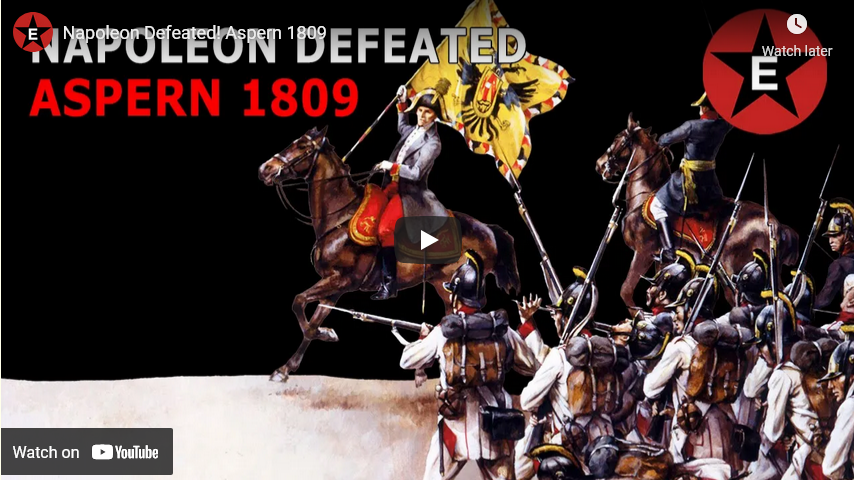
Napoleon Defeated! Aspern 1809
Epic History TV
Published 9 May 2019In 1809, with Napoleon and his best troops bogged down in Spain, Austria decided to try to get revenge for her humiliation at Austerlitz three years before. Archduke Charles led an invasion of France’s ally Bavaria, but Napoleon raised fresh troops and transformed the strategic situation in four days of hard fighting along the Danube. But having taken Vienna, Napoleon’s overconfidence led to a desperate battle at Aspern-Essling, resulting in his first major defeat as Emperor, and the death of his closest friend.
With thanks to HistoryMarche, check out his channel here: https://www.youtube.com/channel/UC8MX…
Get early access & vote for future topics at Patreon https://www.patreon.com/epichistorytv
Find Osprey books on the Napoleonic Wars https://ospreypublishing.com/
Recommended books on the Napoleonic Wars (as an Amazon Associate I earn from qualifying purchases):
Eggmühl 1809: Storm Over Bavaria https://geni.us/mRvuG
Aspern & Wagram 1809 https://geni.us/4wewlr
French Napoleonic Infantryman 1803-15 https://geni.us/ivLojZD
British Light Infantry & Rifle Tactics of the Napoleonic Wars https://geni.us/02ycFR4
Tactics and the Experience of Battle in the Age of Napoleon https://geni.us/mKAYz
Napoleon the Great http://geni.us/NqMWMusic from Filmstro: https://filmstro.com/?ref=7765
Get 20% off an annual license with this exclusive code:EPICHISTORYTV_ANN#EpicHistoryTV #NapoleonicWars #Napoleon
Comments Off on Napoleon Defeated! Aspern 1809
March 13, 2021
As of today, one third “of the most senior admirals and generals (four and three star officers) in the Canadian Armed Forces have been accused of some sort of impropriety”
Ted Campbell regards this new fig leaf of appointing some sort of “watchdog” for the Canadian Armed Forces — in light of the ongoing investigations into impropriety on the part of too damned many senior officers — as worse than a waste of time:
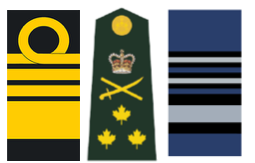
Another “watchdog” is going to do exactly nothing. The former Ombudsman did his job, he did the right thing. The problem was that the political leadership ~ specifically Defence Minister Harjit Sajjan ~ decided to ignore him and then to shut him out of the process. I have no idea why Minister Sajjan decided to put the interests of the most senior military officers ahead of those subordinate to them, but he did. The Ombudsman was the watchdog we needed. He did all the right things. Defence Minister Sajjan failed the men and women in the Canadian Armed Forces, he failed the institution and he failed Canada. Another watchdog will not fix that.
Some years ago I said that our military needed to be seen in human terms. Our men and women in uniform, I said, needed to be tough, superbly disciplined, well trained, adequately equipped and also properly organized and well led, too. I believe that the Canadian Armed Forces are not well enough led and that has led to a breakdown in discipline which I said, back in 2016, “is the sine qua non of soldiering.” I stand by that. Nothing, not firepower, not leadership, not fighting spirit, not huge budgets and the finest hardware, nothing else matters as much as discipline. I will not be moved off that position because I know that I have 3,000 years of history to back me up.
I remember, in 1961, reading an article, I’m pretty sure it was in Time magazine, but Google doesn’t help me out there, which noted that Lieutenant General Geoffrey Walsh had taken over (as Chief of the General Staff) (and I’m about 99% sure I have the words correct) “the small but superbly disciplined Canadian Army.” I showed the little article to an older soldier who said something like “this is some [expletive] Yank magazine, eh? Well, it figgers; they look at us and they think we’re the [expletive] Grenadier [expletive] Guards. All they see is the marchin’ and the drill and we look great ’cause they’re a sloppy bunch of [expletive]. But you remember, kid, what I tell ya. The real discipline ain’t on the parade square, it’s in the field and you listen to what I [expletive] tell ya’ and then you do like I [expletive] tell ya’.” (It was that kind of [expletive]😉 army 60 years ago.) And he was right of course. Yes, our Regiment was a thing of beauty when we trooped the colour ~ as good as any other regiment in the world ~ but what made us better than any of the rest was self-discipline, learned the proper way by the examples set by good, tough leaders. Somehow the Canadian Armed Forces seems to have lost too much toughness, too much discipline and far too much leadership.
Comments Off on As of today, one third “of the most senior admirals and generals (four and three star officers) in the Canadian Armed Forces have been accused of some sort of impropriety”
March 10, 2021
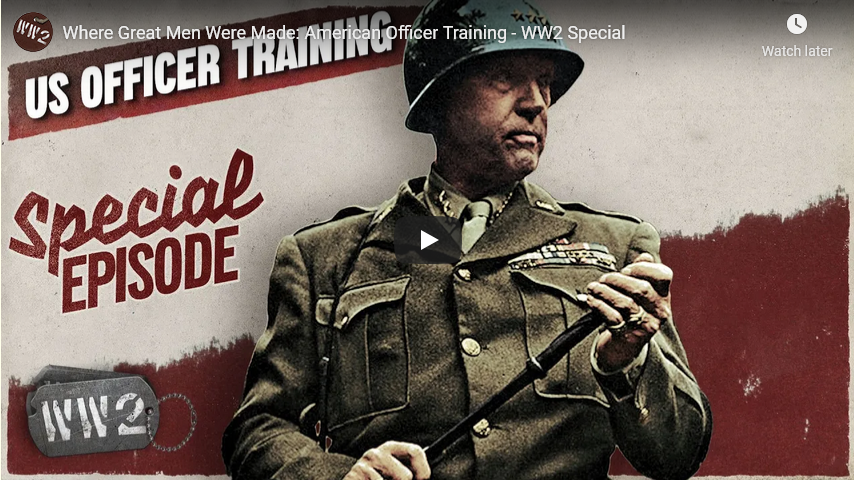
Where Great Men Were Made: American Officer Training – WW2 Special
World War Two
Published 9 Mar 2021West Point and Annapolis are two of the most iconic military academies in America — maybe even the world. The two institutions have produced the men who are leading America’s fight against the Axis powers.
Join us on Patreon: https://www.patreon.com/TimeGhostHistory
Or join The TimeGhost Army directly at: https://timeghost.tvFollow WW2 day by day on Instagram @ww2_day_by_day – https://www.instagram.com/ww2_day_by_day
Between 2 Wars: https://www.youtube.com/playlist?list…
Source list: http://bit.ly/WW2sourcesHosted by: Indy Neidell
Written by: Markus Linke & Indy Neidell
Director: Astrid Deinhard
Producers: Astrid Deinhard and Spartacus Olsson
Executive Producers: Astrid Deinhard, Indy Neidell, Spartacus Olsson, Bodo Rittenauer
Creative Producer: Maria Kyhle
Post-Production Director: Wieke Kapteijns
Research by: Markus Linke
Edited by: Karolina Dołęga
Sound design: Marek KamińskiColorizations by:
– Daniel Weiss
– Mikołaj Uchman
– Norman Stewart – https://oldtimesincolor.blogspot.com/Sources:
United States Military Academy Library Digital Collection
United States Naval Academy Digital Collections
Library of Congress
New York Public Library
West Point Museum Art Collection
Imperial War Museums: IWM NYF 19427Soundtracks from Epidemic Sound:
– “Ominous” – Philip Ayers
– “The Inspector 4” – Johannes Bornlöf
– “London” – Howard Harper-Barnes
– “Please Hear Me Out STEMS INSTRUMENTS” – Philip Ayers
– “First Responders” – SkryaArchive by Screenocean/Reuters https://www.screenocean.com.
A TimeGhost chronological documentary produced by OnLion Entertainment GmbH.
From the comments:
World War Two
20 hours ago
This episode goes back to our roots of good old-fashioned military history. It’s something we’d like to start doing more of. Of course, West Point and Annapolis are the most famous, but we think that diving into the officer training of forces like the Wehrmacht or Red Army could tell us a lot about their histories. There is also a whole bunch of options for military history topics that we’d like to get into. Let us know in the comments if you have any suggestions.
Comments Off on Where Great Men Were Made: American Officer Training – WW2 Special
February 9, 2021
History Summarized: Alexander the Great
Overly Sarcastic Productions
Published 19 Sep 2017Linguistically speaking, Alexander means “Defender of Men” from the Greek “alexo“, defend, and “aner/ander“, man. I’ll never be able to not internally think of his name as just meaning “Alex-Man”.
Oh, yeah, also he conquered an empire or something? IDK. I stopped paying attention after his bland name.
PATREON: www.patreon.com/OSP
MERCH LINKS:
Shirts – https://overlysarcasticproducts.threa…
All the other stuff – http://www.cafepress.com/OverlySarcas…Find us on Twitter @OSPYouTube!

Comments Off on History Summarized: Alexander the Great
January 16, 2021
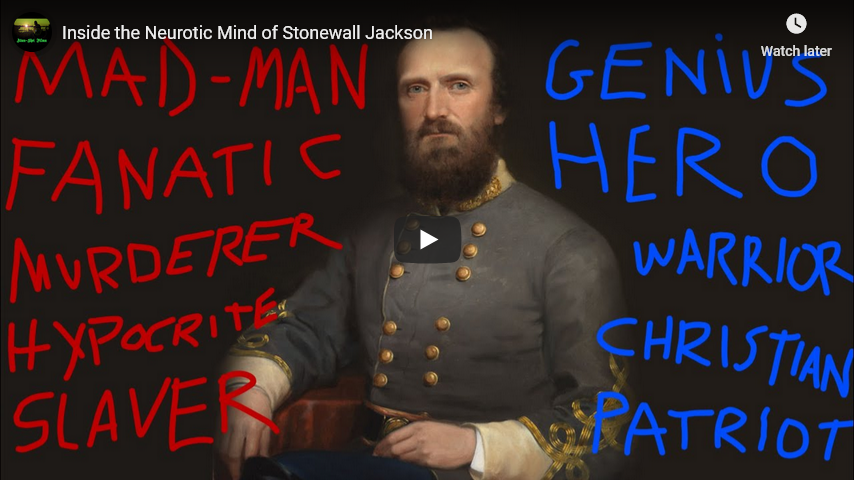
Inside the Neurotic Mind of Stonewall Jackson
Atun-Shei Films
Published 15 Jan 2021Let’s gossip about a man who’s been dead for 158 years.
Support Atun-Shei Films on Patreon ► https://www.patreon.com/atunsheifilms
Leave a Tip via Paypal ► https://www.paypal.me/atunsheifilms
Buy Merch ► teespring.com/stores/atun-shei-films
#ThomasJJackson #CivilWar #AmericanHistory
Original Music by Dillon DeRosa ► http://dillonderosa.com/
Reddit ► https://www.reddit.com/r/atunsheifilms
Twitter ► https://twitter.com/atun_shei
~REFERENCES~[1] Wallace Hettle. Inventing Stonewall Jackson: A Civil War Hero in History and Memory (2011). LSU Press, Page 3-9
[2] Hettle, Page 13-17
[3] Charles Royster. The Destructive War: William Tecumseh Sherman, Stonewall Jackson, and the Americans (1991). Vintage Books, Page 41-46
[4] Royster, Page 52-53
[5] Hettle, Page 20-21
[6] Royster, Page 65-67
[7] Chris Graham. “Myths and Misunderstandings: Stonewall Jackson’s Sunday School” (2017). The American Civil War Museum https://acwm.org/blog/myths-misunders…
[8] Royster, Page 63-65
[9] Royster, Page 60
[10] Royster, Page 49-51
[11] Mary Anna Jackson. Memoirs of Stonewall Jackson by his Widow, Marry Anna Jackson (1895). Prentice Press, Page 108
[12] Jackson, Page 120-121
[13] Hettle, Page 13-15
[14] Royster, Page 202
Comments Off on Inside the Neurotic Mind of Stonewall Jackson
January 11, 2021
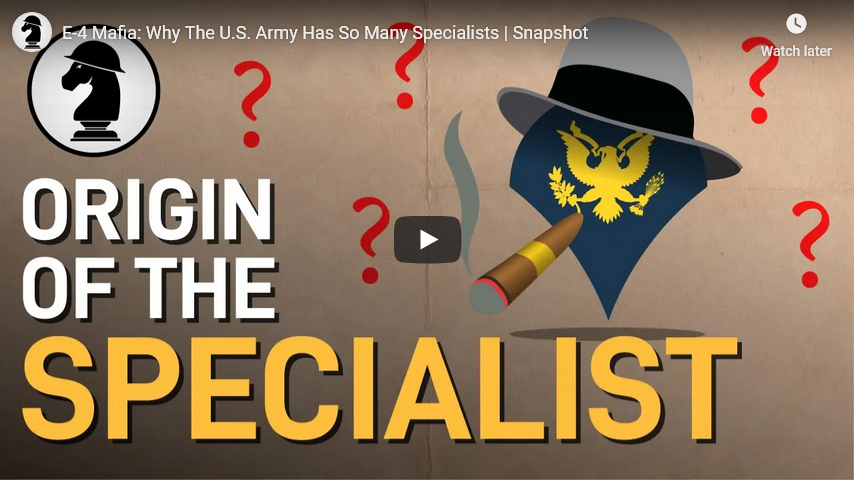
E-4 Mafia: Why The U.S. Army Has So Many Specialists | Snapshot
Battle Order
Published 3 Oct 2020Why does the U.S. Army have so many Specialists? Join us as we go over the history of the “Specialist” in the army and why so many soldiers are in the E-4 Mafia today.
Support us on Patreon and get access to a variety of exclusive perks like wallpapers, video credits, and priority in future Q&As: https://www.patreon.com/battleorder
Check out our merch shop for new prints, apparel and other stuff!: teespring.com/stores/battleorder
Check out our website for more articles, videos, and graphics on military history: https://www.battleorder.org/
Join our Discord chat here: https://discord.gg/75wfBXP
Social Media:
• Instagram: https://www.instagram.com/battle.order/Music:
• Call of Duty 2, Medal of Honor: Airborne & Pacific Asslt OSTsSources:
• “United States Army Grade Insignia Since 1776” by Preston B. Perrenot
• https://uniform-reference.net/insigni…
Comments Off on E-4 Mafia: Why The U.S. Army Has So Many Specialists | Snapshot
December 23, 2020
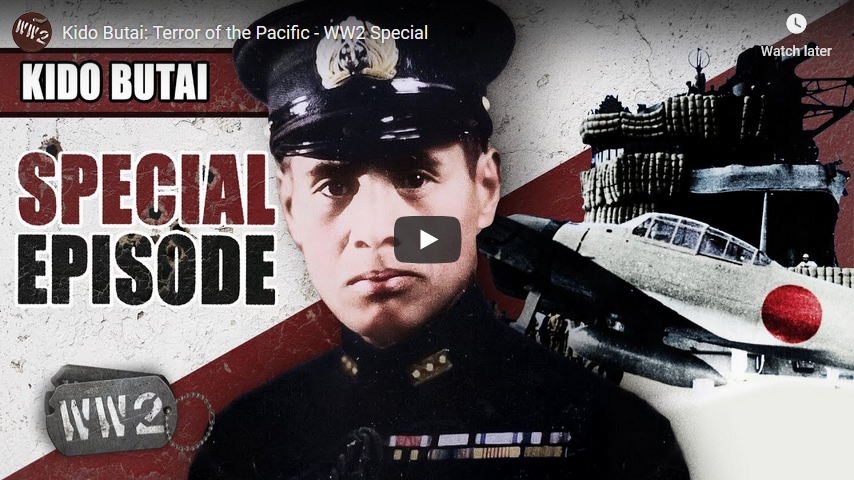
Kido Butai: Terror of the Pacific – WW2 Special
World War Two
Published 22 Dec 2020Kido Butai was the fleet that launched the surprise attack on the US Pacific Fleet at anchor at Pearl Harbor and followed that up with a string of victories in 1942. But how was it commanded, both as a whole and in the high and even mid level command? Today we’ll look at that.
Join us on Patreon: https://www.patreon.com/TimeGhostHistory
Or join The TimeGhost Army directly at: https://timeghost.tvFollow WW2 day by day on Instagram @ww2_day_by_day – https://www.instagram.com/ww2_day_by_day
Between 2 Wars: https://www.youtube.com/playlist?list…
Source list: http://bit.ly/WW2sourcesHosted by: Indy Neidell
Written by: Markus Linke and Indy Neidell
Director: Astrid Deinhard
Producers: Astrid Deinhard and Spartacus Olsson
Executive Producers: Astrid Deinhard, Indy Neidell, Spartacus Olsson, Bodo Rittenauer
Creative Producer: Maria Kyhle
Post-Production Director: Wieke Kapteijns
Research by: Markus Linke
Edited by: Miki Cackowski
Sound design: Marek Kamiński
Map animations: Eastory (https://www.youtube.com/c/eastory)Colorizations by:
Carlos Ortega Pereira, BlauColorizations, https://www.instagram.com/blaucolorizations
Jaris Almazani (Artistic Man), https://instagram.com/artistic.man?ig…
Norman Stewart, https://oldtimesincolor.blogspot.com/Sources:
https://commons.wikimedia.org/wiki/Fi…
Mitsubishi G4M bomber graphic, courtesy Kaboldy https://commons.wikimedia.org/wiki/Fi…
Picture of Jisaku Okada, courtesy XxSuguxX https://commons.wikimedia.org/wiki/Fi…
Narodowe Archiwum CyfroweSoundtracks from the Epidemic Sound:
Jo Wandrini – “Dragon King”
Rannar Sillard – “March Of The Brave 4”
Yi Nantiro – “Watchman”
Philip Ayers – “The Unexplored”
Johannes Bornlof – “The Inspector 4”
Mandala Dreams – “Pacific Shores”
Phoenix Tails – “At the Front”
Philip Ayers – “Trapped in a Maze”Archive by Screenocean/Reuters https://www.screenocean.com.
A TimeGhost chronological documentary produced by OnLion Entertainment GmbH.
Comments Off on Kido Butai: Terror of the Pacific – WW2 Special
December 18, 2020
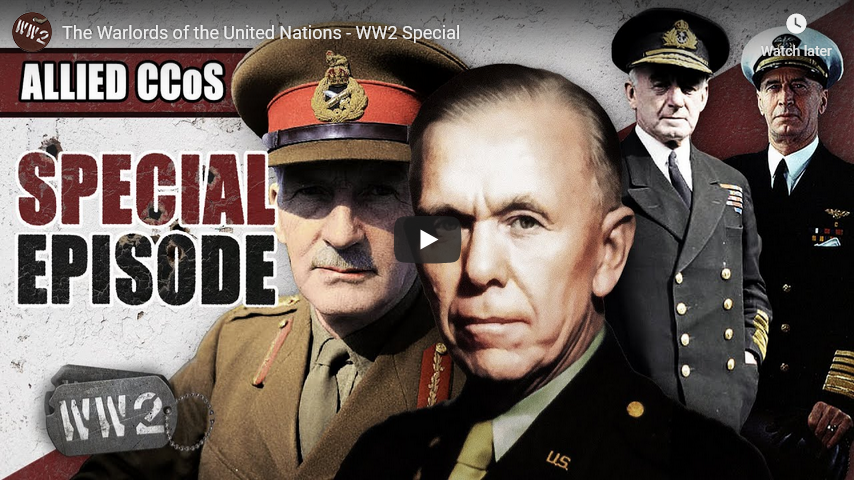
The Warlords of the United Nations – WW2 Special
World War Two
Published 17 Dec 2020Following the German declaration of war on America on the 11th of December 1941, Britain gained an invaluable ally. Securing a joint military command between the new partnership will be central to its success, the question is, how can this be achieved?
Join us on Patreon: https://www.patreon.com/TimeGhostHistory
Or join The TimeGhost Army directly at: https://timeghost.tvFollow WW2 day by day on Instagram @ww2_day_by_day – https://www.instagram.com/ww2_day_by_day
Between 2 Wars: https://www.youtube.com/playlist?list…
Source list: http://bit.ly/WW2sourcesHosted by: Indy Neidell
Written by: Markus Linke and Indy Neidell
Director: Astrid Deinhard
Producers: Astrid Deinhard and Spartacus Olsson
Executive Producers: Astrid Deinhard, Indy Neidell, Spartacus Olsson, Bodo Rittenauer
Creative Producer: Maria Kyhle
Post-Production Director: Wieke Kapteijns
Research by: Markus Linke
Edited by: Miki Cackowski
Sound design: Marek Kamiński
Map animations: Eastory (https://www.youtube.com/c/eastory)Colorizations by:
Norman Stewart – https://oldtimesincolor.blogspot.com/
Daniel Weiss
Adrien Fillon – https://www.instagram.com/adrien.colo…
Mikołaj UchmanSources:
IWM A 14040, TR153, H 10306, ME(RAF) 5052, A 16709Soundtracks from Epidemic Sound:
Max Anson – “Ancient Saga”
Johannes Bornlof – “Magnificent March 3”
Howard Harper-Barnes – “London”
Rannar Sillard – “March Of The Brave 4”
Johannes Bornlof – “The Inspector 4”
Phoenix Tail – “At the Front”Archive by Screenocean/Reuters https://www.screenocean.com.
A TimeGhost chronological documentary produced by OnLion Entertainment GmbH.
Comments Off on The Warlords of the United Nations – WW2 Special


