Britain is facing a very different future, from the point of energy consumption, according to Steve Holliday, CEO of National Grid:
Because of a six-fold increase in wind generation, which won’t be available when the wind doesn’t blow, “The grid is going to be a very different system in 2020, 2030,” he told BBC’s Radio 4. “We keep thinking that we want it to be there and provide power when we need it. It’s going to be much smarter than that.
“We are going to change our own behaviour and consume it when it is available and available cheaply.”
The more of your electricity that is produced from wind power, the more there will be very noticeable peaks and valleys in available electricity. Not only do you need more sources, you need over-capacity in some areas to generate sufficient power to supply to areas which are becalmed.
Under the so-called “smart grid” that the UK is developing, the government-regulated utility will be able to decide when and where power should be delivered, to ensure that it meets the highest social purpose. Governments may, for example, decide that the needs of key industries take precedence over others, or that the needs of industry trump that of residential consumers. Governments would also be able to price power prohibitively if it is used for non-essential purposes.
Perhaps it’s just the libertarian in me that finds the term “highest social purpose” to be very disturbing: just who the hell is going to be making that determination? And on what basis will the new high priests of the lightnings be making that call?
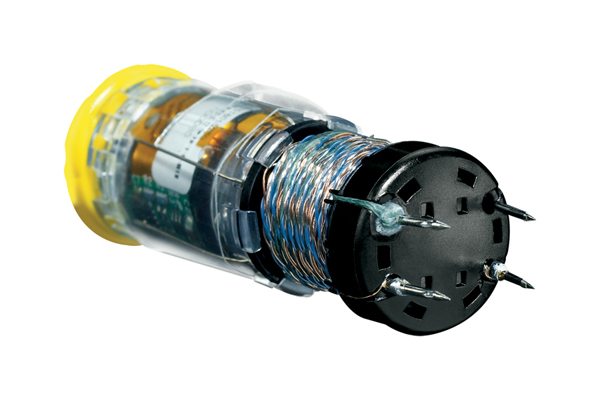
Smart grids are being developed by utilities worldwide to allow the government to control electricity use in the home, down to the individual appliance. Smart grids would monitor the consumption of each appliance and be capable of turning them off if the power is needed elsewhere.
Like the idea that someone at your local electrical board can decide that you don’t really need to run that TV set or that toaster right now? If the control freaks at the utilities manage to foist this off on us, we’ll be techno-peasants who are only allowed to run electrical devices that meet “social purpose” guidelines.
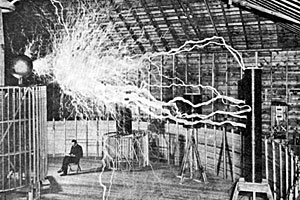 General Motors has emerged from bankruptcy and taken initial steps to repay its federal bailout money — two good bits of news, although the taxpayer remains on the hook for many billions of dollars extended to GM. Specialty electric-car maker Tesla Motors also had a successful initial public offering and is being celebrated as some kind of testament to the entrepreneurial spirit. For Tesla, this is pure PR.
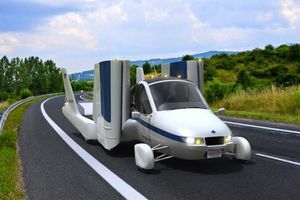 The other absurd vehicle in development is the Terrafugia flying car, which just won exemption from a federal airworthiness safety standard. Surely you will feel secure when a flying car exempted from safety standards buzzes your neighborhood, especially when you learn that another federal waiver means the pilot needs only 20 hours of experience before he or she takes off. Maryland, my state, requires 60 hours behind the wheel before receiving a driver’s license. But fly after 20 hours? Hey, wheels up! Surely few of these accidents-looking-for-a-place-to-happen will sell on the free market. So — scan the horizon for a bailout. The Terrafugia company just got a piece of a $65 million military contract to research a flying Jeep-like thing; don’t hold your breath. If patriotism is the last refuge of scoundrels, defense contracting is the last refuge of bad business plans.