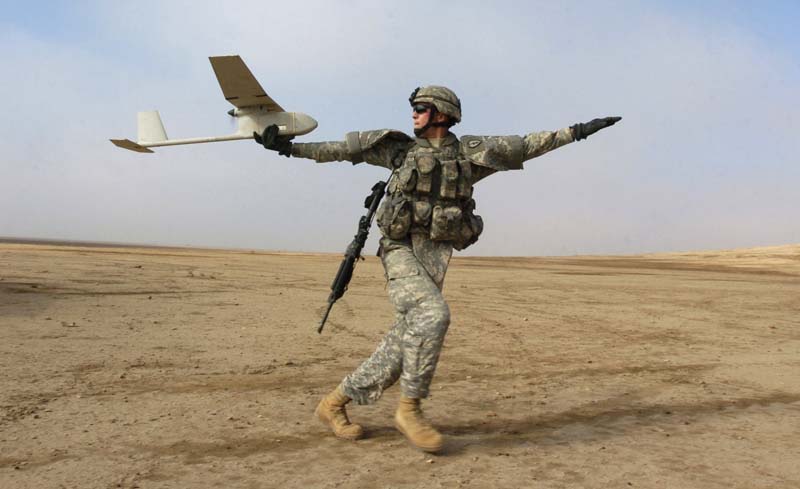
Most wars are not significant drivers of technological change and military innovation. The Franco-Prussian War, the Boer Wars, World War 1, and World War 2 are some of the exceptions where the fighting accelerated innovation and adoption of new and untested technologies that were proven or discarded on the battlefield. The Russo-Ukraine war has been going on long enough and requiring new and improved weapons to such a degree that modern arms shows clearly reflect at least some of the technological changes in response to the ongoing combat:
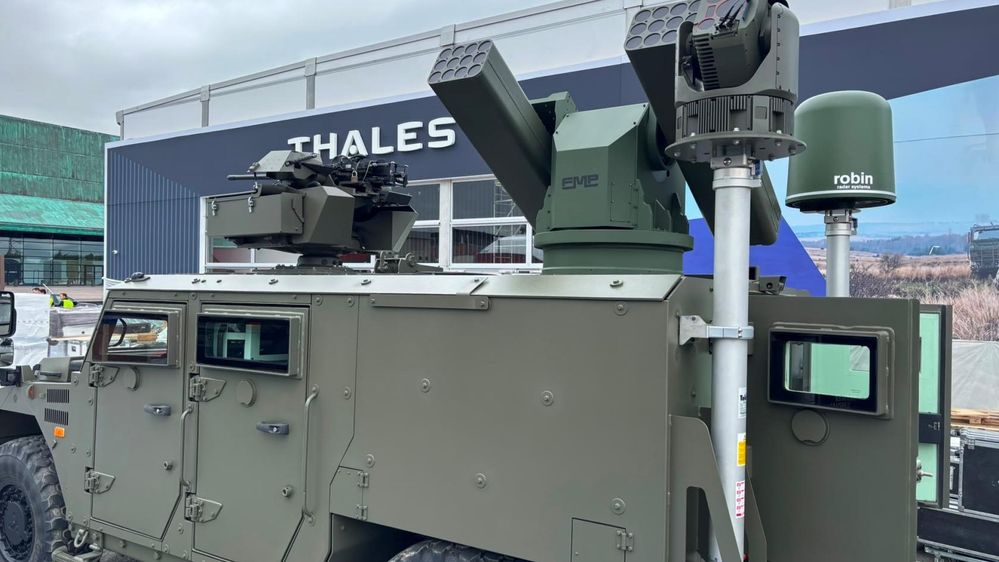
Thales RapidStriker SHORAD, I think. Oddly, what struck me about this image was how much it reminded me of very early WW1 armoured cars, both in general outline and in its being a quick reaction development to a current combat situation.
Photo from Eyes Only with Wes O’Donnell
I was thinking recently about the good ole pandemic days; ah, what a simpler time …
At the time, I was writing for military and cybersecurity magazines about whether NASA spacesuits can be hacked and hypersonic tomfoolery.
Six years ago, a defense expo like this was mostly about better armored boxes. Things like thicker protection, a nicer turret, an upgraded engine, a fire-control system with a new acronym.
The headline acts were tanks and infantry fighting vehicles, things that go very high and very fast, and the unspoken assumption underneath all of it was that war would look roughly like it always had, just with more cowbell.
Then 2022 happened.
Then Operation Spiderweb.
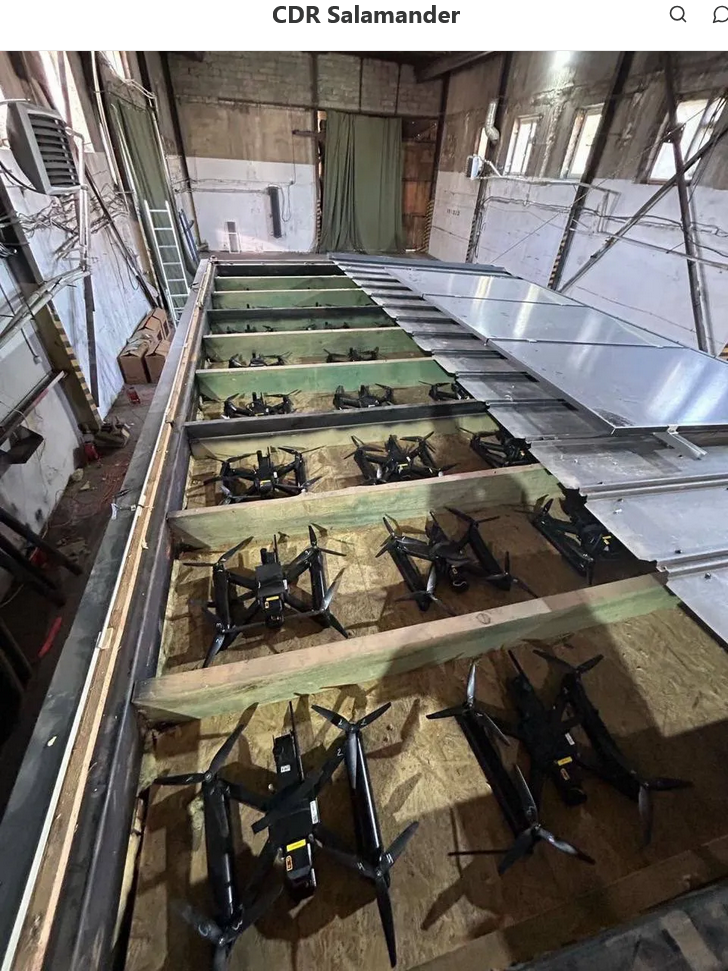
Then a year of Russian glide bombs and Ukrainian refinery strikes and FPV drones turning hundred-dollar quadcopters into tank-killers.
Then the Gulf woke up to Iranian missiles in March. And the entire defense industry got the same text message at the same time, written in other people’s blood.
You can read that message on the Eurosatory floor this year.
Almost every serious system on display is an answer to a question the war in Ukraine asked out loud:
How do I shoot from farther away so I don’t die?
How do I kill cheap drones without going bankrupt?
How do I send a robot instead of a soldier?
How do I keep my tank’s roof from becoming a Thermador pizza oven set to “broil?”
Back then, I also used to write listicles, like “Top Ten Gifts for Veterans!” In that tradition, I’ve put together a hand-picked list of ten weapon systems emerging this year at Eurosatory in Paris, and every one of them is really a story about how much war has changed since 2020.