
On the social media site formerly known as Twitter, Handre points out the other thing that socialized economies share with one another: the overwhelming importance of “friends”, “connections”, and “family” in generating unearned wealth and power.
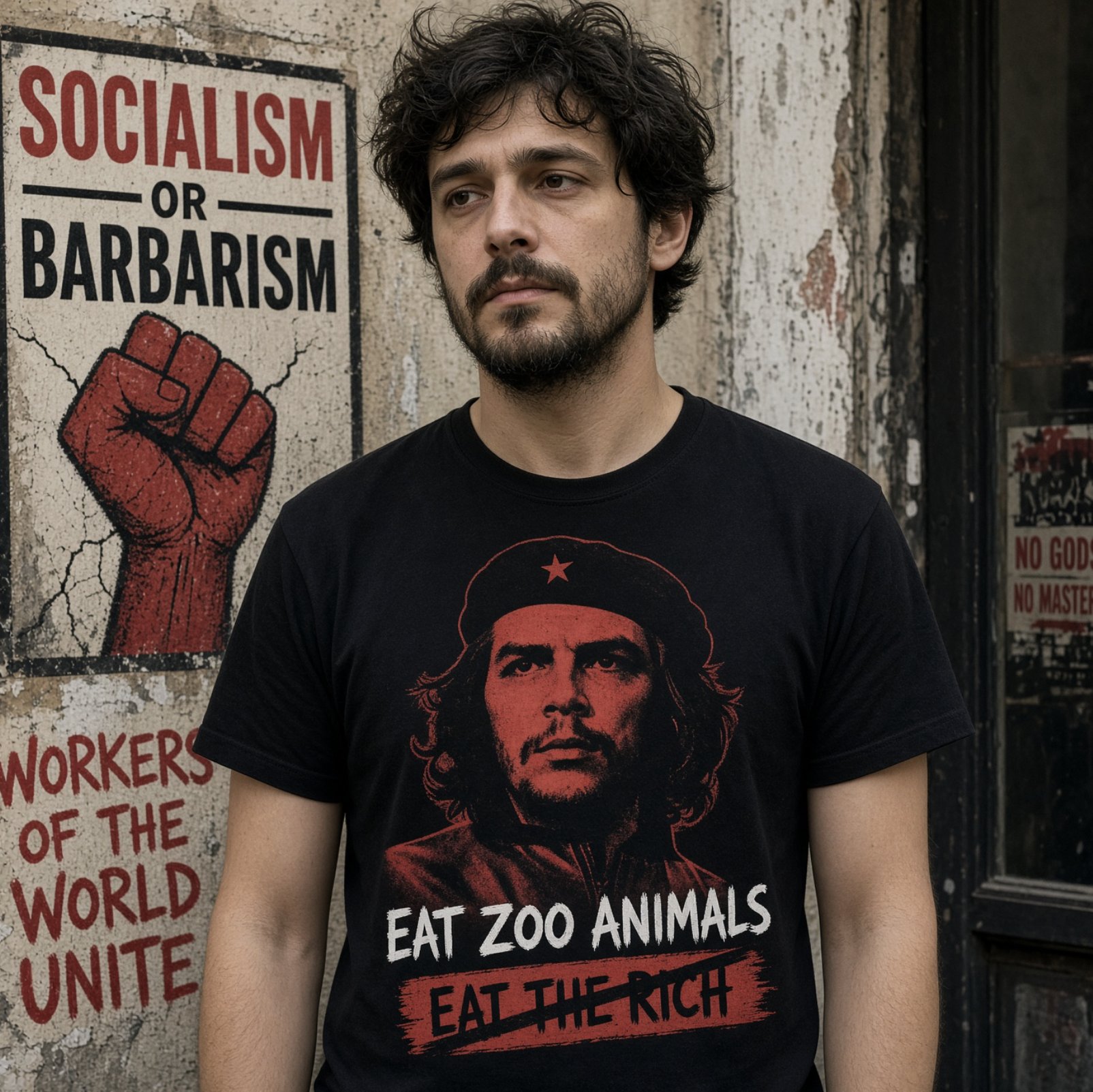
AI-generated image from @Handre on X
Socialism concentrates power, and concentrated power concentrates wealth. Hugo Chavez spent two decades screaming about imperialist oligarchs while his own daughters accumulated the kind of fortune that would embarrass a Rockefeller.
Maria Gabriela Chavez holds assets estimated at $4.2 billion, making her Venezuela’s wealthiest individual by a comfortable margin. Her father nationalized over 1,200 private companies between 2002 and 2012.
The mechanism is straightforward: When the state controls production, distribution, currency, and courts, political proximity becomes the only productive investment. You don’t build a business; you cultivate a minister. Chavez’s inner circle stole through socialism, using currency controls, preferential exchange rates, and state contracts as the instruments.
Meanwhile, the Venezuelan poverty rate crossed 80 percent in 2024. Infant mortality climbed. The bolivar collapsed so completely that Venezuelans began pricing transactions in dollars just to preserve basic calculation.
Ludwig von Mises proved mathematically in 1920 that socialist planners cannot rationally allocate resources without prices generated by voluntary exchange. No prices, no signal. No signal, no coordination. Shortages follow as surely as math follows addition.
This while Venezuela sits atop the world’s largest proven oil reserves. Poverty there is entirely manufactured. Chavez’s family lives in Caracas and Miami on wealth extracted from people who cannot buy protein. The ideology that promised to eat the rich ended with the people eating the zoo animals.


