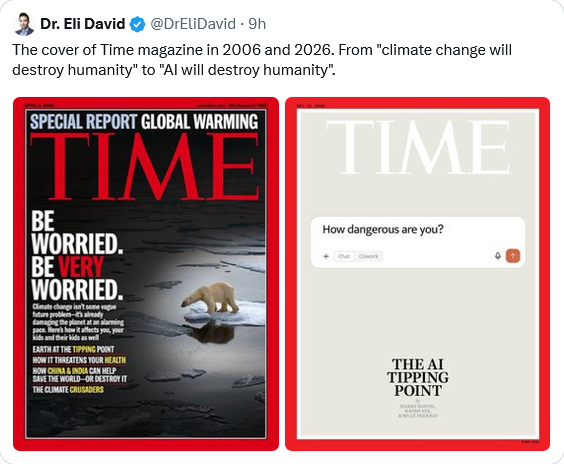
The relic media in Canada has — thanks to generous government subsidies — become a maple-flavoured version of the North Korean news media, but even in the United States where there’s still a somewhat competitive market, most media outlets are delighted to act as unpaid propagandists … and have been that way for generations:
Walter Duranty won a Pulitzer Prize for lying about Stalin’s Ukraine famine while millions starved. His employer, the New York Times, never returned that prize. The institutional rot ran deeper than one reporter.
In 1936, Times Moscow correspondent Harold Denny watched the first of Stalin’s Great Purge trials and reported the proceedings as credible. The defendants, Grigory Zinoviev and Lev Kamenev among them, confessed to plotting murder and sabotage. Denny saw no obvious coercion and wrote accordingly. The NKVD had spent weeks breaking these men through sleep deprivation, threats against their families, and relentless psychological torture until they would say anything in open court.
Every confession was fabricated. Every defendant was executed anyway. Stalin murdered roughly 750,000 people during the Great Purge between 1936 and 1938, and the Times gave the operation a veneer of legitimacy at its most critical moment.
Central planners require a monopoly on information to survive. When the newspaper of record in the most powerful capitalist country on earth launders your show trials as fair proceedings, you buy yourself years of Western political goodwill. Stalin purchased that goodwill with useful idiots who confused proximity to power with insight.
You pay for this dynamic today every time an institution that failed catastrophically keeps its credentials, its prizes, and its authority to declare what counts as credible journalism.
Duranty would have been proud of Time magazine had he been alive today.