
Ted Campbell notes that, despite all the nay-saying, President Trump appears to be getting results with US allies on defence issues. That being the case, he’s wondering when Prime Minister Trudeau will get the message:
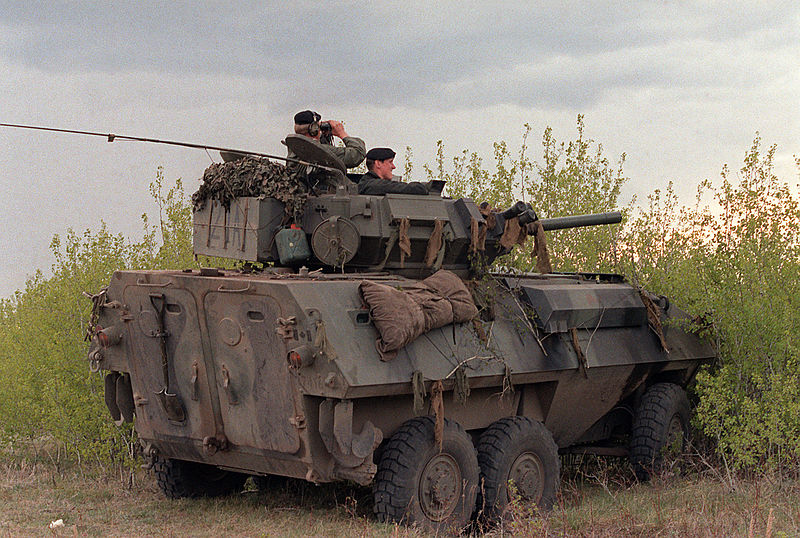
A right rear view of a Canadian army Cougar wheeled fire support vehicle being used as an observation post by soldiers standing watch during the combined U.S./Canadian NATO Exercise Rendezvous ’83. Location: Camp Wainright, AB
I was commenting on this before president Trump was elected; and shortly after his 2016 election victory I said that
“Prime Minister Trudeau and most European presidents and prime ministers will have to face a newly elected US president who wants them to pay for a bigger and bigger slice of their own defence. Real leaders would do well to recognize that the Americans have a valid point … some, probably many of them, including Prime Minister Justin Trudeau, may try to pretend that it doesn’t matter; they will be wrong.”
I was impressed, then, with how deeply many, many Americans felt about Donald Trump’s campaign message which said that allies were “freeloading,” and taking unfair advantage of America’s innate generosity … I was very, very conscious of the fact that, when I was a young man, a junior officer in Canada’s tough, superbly disciplined, well trained, trained, nuclear armed “vest pocket army” (as more than one allied general called us) brigade group in Germany, Canada used to pay its full and fair share … but we stopped, in the late summer of 1969, when Pierre Trudeau tried to totally withdraw from NATO and, indeed, from the world.
I wonder when President Trump will send someone like Timothy Betts, the Deputy Assistant Secretary and Senior Advisor for Security negotiations and Armaments in the US State Department, to Ottawa to demand that Canada should pay up after a half century of “freeloading” on the US taxpayers’ goodwill. That will come as a nasty shock to Team Trudeau and, indeed, to a majority of Canadians who have gotten used to the notion that the Americans will defend us out of the kindness of their hearts. I’m not sure that Canada is next in line, but I suspect we’re on his short list.
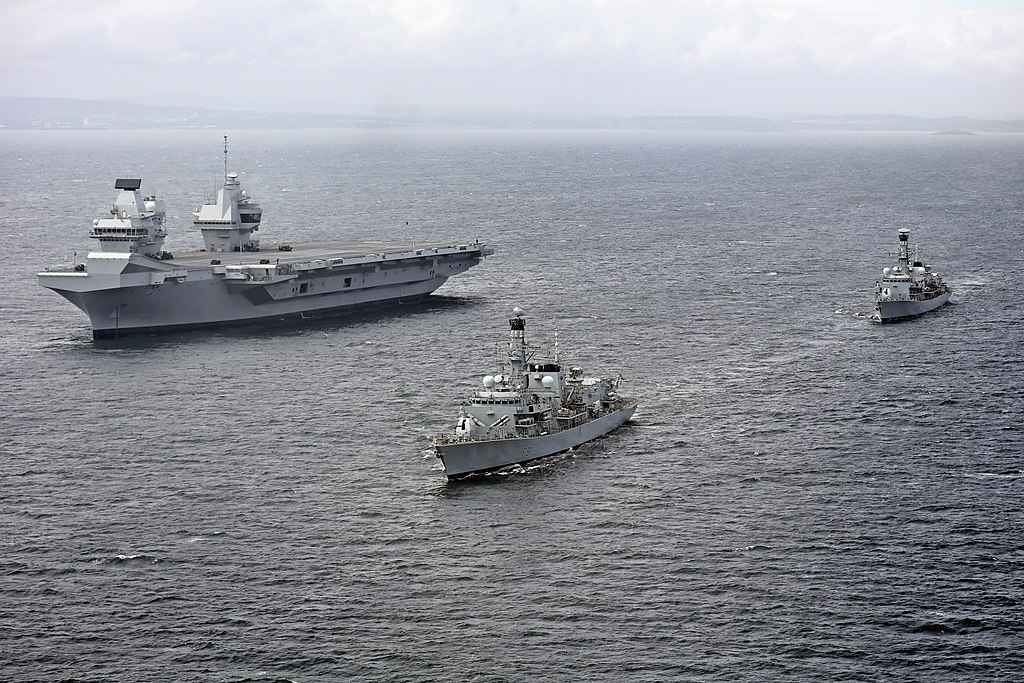
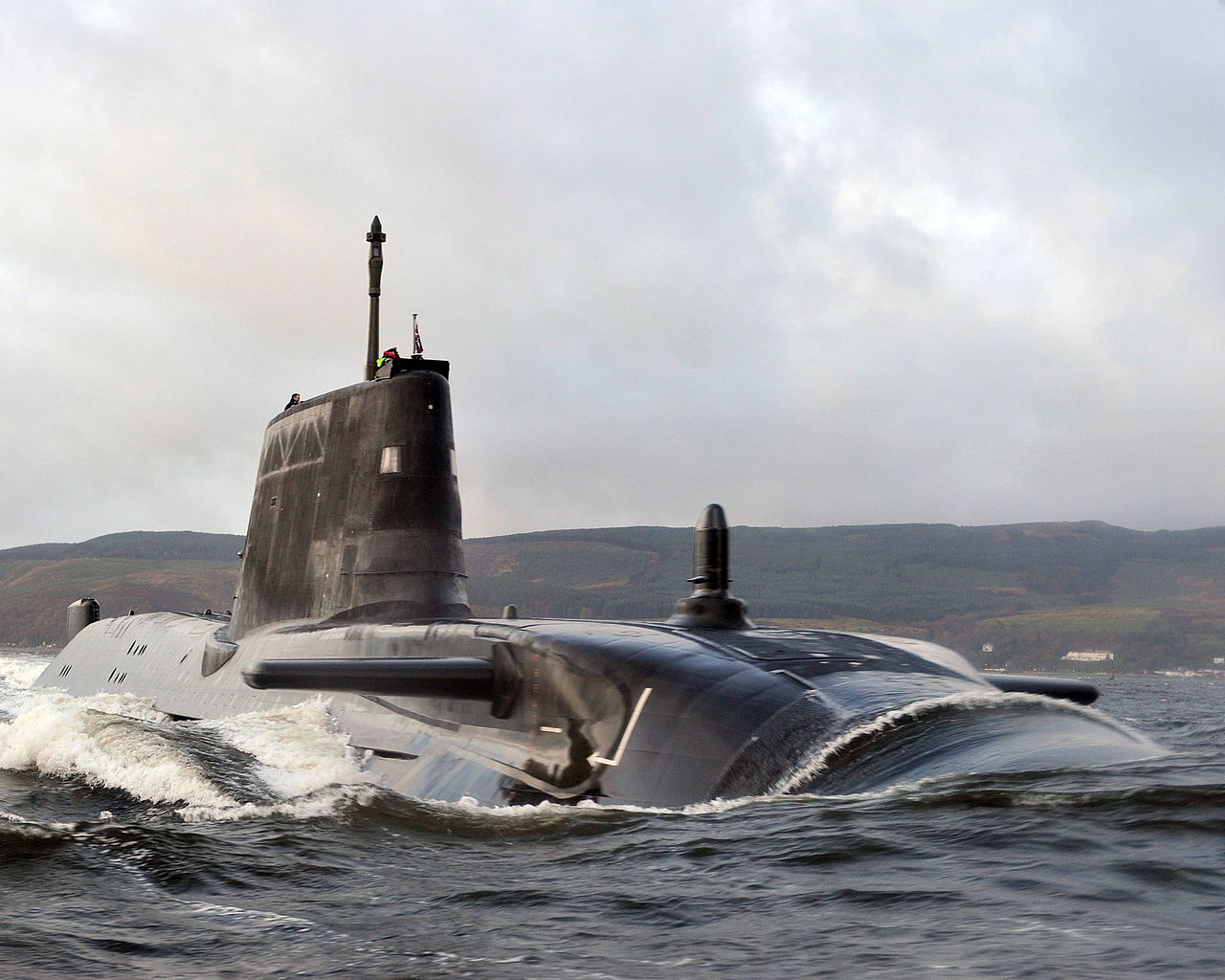
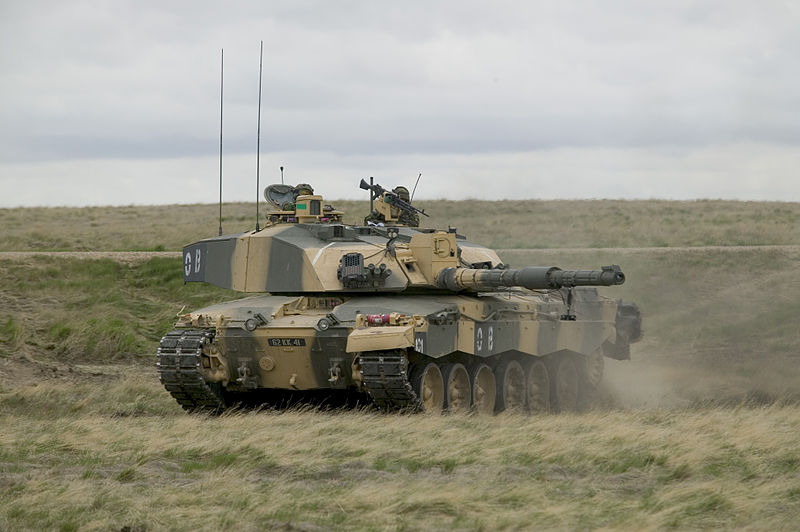
 Thanks to a post at Army.ca, here is the rough outline of the NATO
 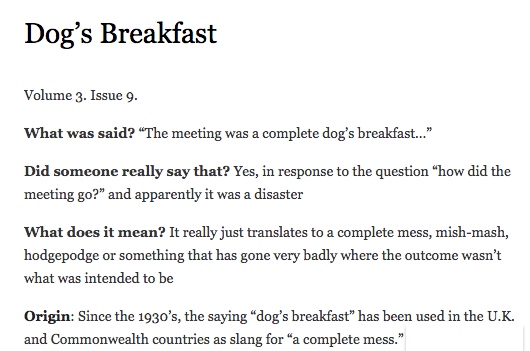 There is an old, tried and true, military expression to describe this: “it’s a dog’s bloody breakfast!” Can you imagine trying to command and control that organization? Especially under NATO’s rules that, as we saw in Afghanistan, allow each country to impose caveats on what where when and how its forces may be

