
On his Substack, Ted Gioia looks at the up-and-down-and-up-and-down career of Orson Welles and selects, from a long list, his ten greatest failures:
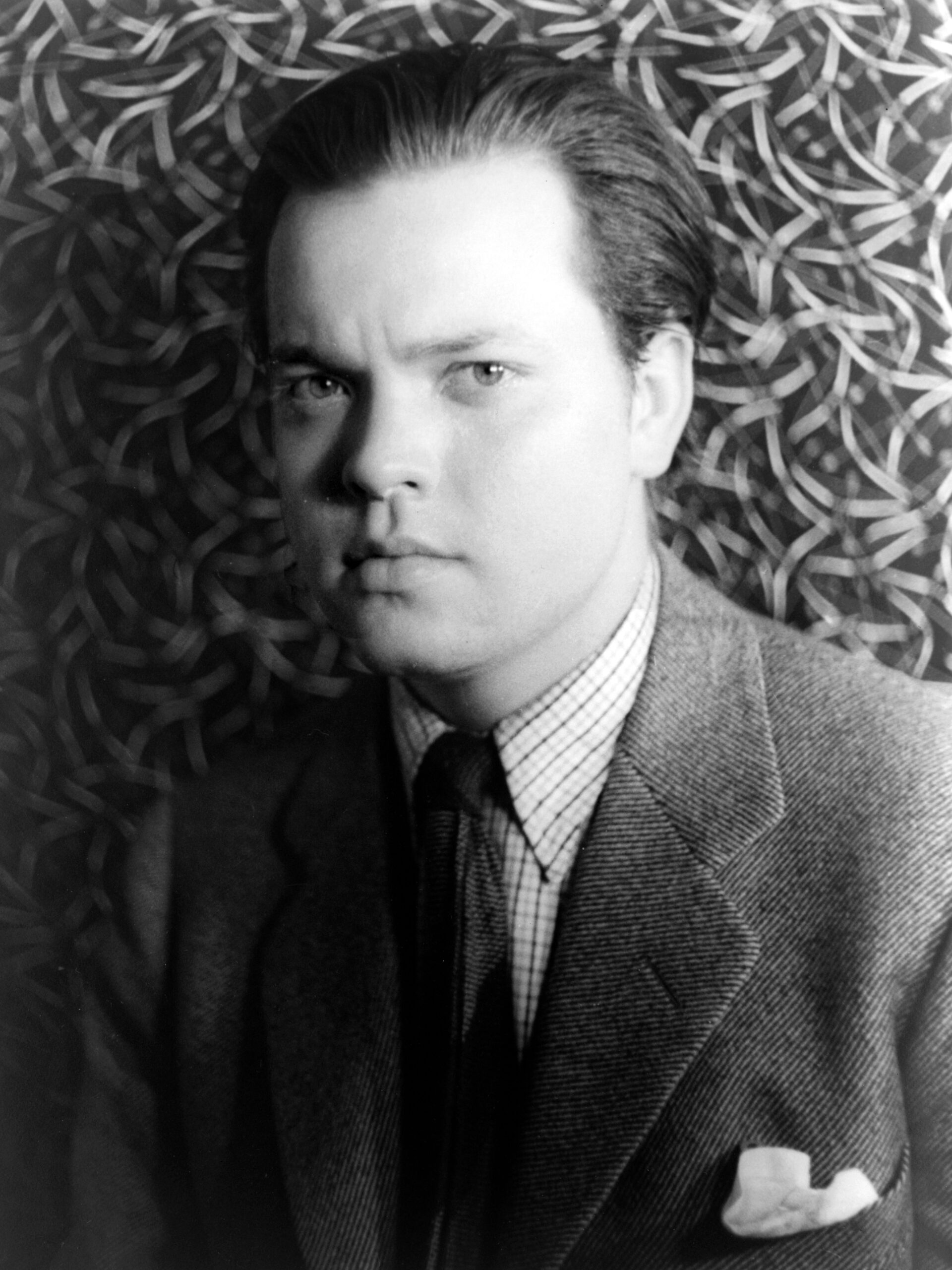
Orson Welles in 1937.
Photograph by Carl Van Vechten via Wikimedia Commons.
It takes a lifetime of misses to create those hits (if they come at all). And those misses tell the real story of our passion, our resilience, our willingness to push our talent to the limit.
These speculations have led me to return to the work of filmmaker Orson Welles (1915-1985) — who I see as an inspiring role model for indie creators of the digital age. Welles is like many of us today. He lost institutional support from Hollywood studios while still in his twenties. And despite his reputation as the most innovative filmmaker of his generation — for many years his debut movie Citizen Kane won polls as the best film of all time — was forced into a precarious life as a perennial freelancer.
He spent most of his career working on projects that failed. And not because they weren’t good (see the list below) — but for other reasons. Some blame Welles’s prickly personality. Others will fault close-minded Hollywood execs. Or maybe Welles was just cursed with bad luck — problems did seem to follow him wherever he went.
You might say that even his hits were misses. His biggest early success came via a 1938 radio rendition of H.G. Wells’s The War of the Worlds, which convinced many listeners that extraterrestrials were actually invading America. Welles got plenty of publicity but was threatened with $12 million in lawsuits in the aftermath. He was lucky to escape without criminal charges.
His greatest triumph, Citizen Kane, was also anything but a conventional hit. The major theater chains refused to book it — fearing punishment from newspaper magnate William Randolph Hearst, the thinly-disguised model for Kane. So even at the peak of his career, Welles had a target on his back.
It got worse from there. He couldn’t finish the editing of his second film The Magnificent Ambersons (1942) — because FDR prodded him into going to Brazil as a cultural ambassador during World War II. So Welles was out-of-touch as the studio butchered his remarkable film, and even added a saccharine new ending. It’s testimony to Welles’s greatness that The Magnificent Ambersons is still ranked among the best movies of the era despite the meddling.
After Brazil, everything fell apart for Welles. Hollywood never forgot him, but also never forgave him. He got occasional gigs (although more often as an actor). But this brilliant filmmaker never enjoyed job security or long-term institutional support. He was the permanent indie gadfly — always pitching projects and sometimes actually starting them. But rarely finishing them.
At his death in 1985, Welles left behind at least 19 unfinished projects. Add to that the many others he abandoned in earlier years. And then there are so many Welles concepts that hardly got started at all — but were promising ideas that deserved better. Finally, Welles suffers the added indignity of achieving some commercial successes (on radio or the stage) that are now lost to us — so even these must be counted among his misses, at least from the perspective of posterity.
Below I’ve listed Welles’s ten greatest failures. But I could have easily expanded it to twenty or thirty.
I do this as testimony to Welles’s greatness. From a mercenary perspective, these might be failures, but from an aesthetic standpoint they testify to a creative force that operated at the highest level of intensity for a full lifetime.


