
I don’t think the PUA crowd has any solution to the problem of how men and women can stop treating each other like shit. Nor do they claim to; the PUA attitude is that you just have to play your cards as best you can under a set of constraints that is intrinsically tragic. But I think the spotlight glare they’re putting on actual mating behavior — as opposed to the lies we tell ourselves about how we behave, or how we think we ought to behave — is a valuable first step.
The truth hurts, but it also helps. Understanding that you’re being yanked around in unhelpful ways by your instincts is the necessary first step to gaining more control of your choices. This is why I think the people who should be paying most attention to PUA theory are women — and not for the most obvious defensive reasons, either.
If you are female, you may be thinking “OK, I should learn game so jerks won’t be able to play me”. Well, that’s nice, but almost completely irrelevant. Because what both evolutionary psych and PUA tell us is that in cold fact you want to be played by an alpha – and failing that, at least someone a bit taller, a bit older, a bit smarter, and a bit higher-status than you. The fact that you want to be better at detecting imitation alphas changes nothing essential; women have been polishing that counter-game as long as men have been practicing theirs.
No. The reason women need be paying attention to PUA goes much deeper than just notching up another escalation in the jerk-vs.-bitch arms race. It’s because until women stop lying to themselves about their actual behavior, they won’t have any prayer of becoming self-aware enough to change the sexual reward pattern they present to men. In pervasive female self-honesty begins the only hope of not training up more generations of jerks. And it’s there that the pitiless, revealing glare of the PUA spotlight might help.
Yes, I know what kind of reflexive screaming that last paragraph is going to trigger. Feminists will lash at me for suggesting that this is womens’ problem to solve; shouldn’t at least half the burden of self-awareness and change fall on men?
In fact, it can’t be that way, and it can’t be for a brutally simple reason. If you are reading this, you are almost certainly a member of a culture in which women have far more power to control mens’ sexual experience than the reverse. The only exceptions to this rule have been barbaric hellholes in which women were treated as chattel.
Ladies, with having more power over sexual outcomes there comes more responsibility. And there’s this, too; just suppose the great mass of men stopped thinking with their dicks and 99% of them suddenly became sensitive New Age guys eager to commit. Until most women stopped being cruel to betas and rewarding men who behave like dominating jerks with sex, nothing … nothing would change. PUA game would still work. The tragedy to which it is a minimax response would still be in motion.
I don’t have any final answers either. But, gentle reader … if you’re a beta male and not a natural, learning some PUA game might sound icky but it would sure beat masturbating to porn for the rest of your life. And if you’re female, think hard about the last guy you slept with and the last guy you friend-zoned. Maybe you owe yourself a rethink and friend-zone guy an apology, of the kind best delivered naked.
Eric S. Raymond, “A natural contemplates game”, Armed and Dangerous, 2011-03-03.
January 9, 2024
QotD: Women versus PUAs
January 8, 2024
“[A]ll philosophers, insofar as they were dogmatic, have been very inexpert about women”
Theodore Dalrymple on the food police and the linguistic distortions forced on traditionally technical and scientific journalism:
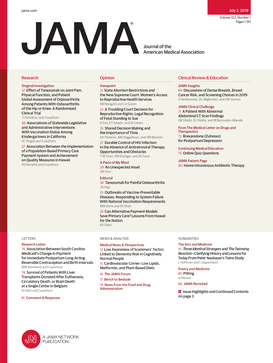
The world, said James Boswell, is not to be made a great hospital; but to a hammer everything is a nail, and to doctors and medical journals everything is either a medical problem or a medical solution.
Looking at the website of the Journal of the American Medical Association today, I came across a paper with the title “Effect of an Intensive Food-as-Medicine Program on Health and Health Care Use”. It was published just above “A Young Pregnant Person With Old Myocardial Infarction”.
Could that pregnant person possibly be a woman? Heaven forfend that so prejudiced a thought should occur to us! If it occurred to you, dear reader, I suggest that your brain still needs washing. The word woman is here abjured by JAMA as completely as, say, it would abjure (rightly) the word bitch with reference to a woman. In other words, the word woman is now treated as if it were in itself an insult, a rather strange result of pro-feminist indoctrination.
The paper begins, “A patient in their 30s presented to the hospital …” No doubt I am deeply reactionary, almost a dinosaur in a world of mammals, but is not their the plural possessive adjective, and is not “a patient” singular? If the authors of the paper were really not sure whether the pregnant person was a man or a woman, surely they should have written “A pregnant person in his or her 30s …”? That would have been a step too absurd (so far) even for the editors of JAMA, assuming that the paper in question was published with some kind of editorial oversight. I anticipate further linguistic absurdity in JAMA with a mixture of amusement and irritation; that there will be one is a racing certainty (a Dutch friend of mine was going to write a book about Dutch social policy titled Creative Appeasement).
The paper, by the way, gives new meaning to the first two sentences of Nietzsche’s book Beyond Good and Evil: “Suppose truth to be a woman — what then? Are there not grounds for the suspicion that all philosophers, insofar as they were dogmatic, have been very inexpert about women?”
January 4, 2024
“It is difficult to understand why our politicians are not locked up for life after successful prosecution for crimes against humanity”
Part nine of Paul Weston‘s “beginner’s guide to Covid”:
Lockdown was never referred to as “lockdown” in March 2020. We were “asked” to stay at home for a few weeks, thus allowing our health services to get up to speed without being swamped. As we now know, a few weeks became months became 2021.
I simply cannot believe this was not planned. The logistics involved in keeping a country afloat after closing down the economy are extremely complicated. Months – if not years – of planning must have gone into it.
One of the strangest things about the first lockdown in the UK was the enforcement date of March 26, one week after the government declared on March 19 that Covid-19 was being downgraded from a High Consequence Infectious Disease (HCID). The reason given for the downgrade was a low mortality rate …
Anyway, the world locked down. When it became apparent the lockdowns were going to stay in place until a miracle vaccine was discovered, the governments promised us that detailed cost/benefit analyses would be conducted. They never were. But they very much should have been.
The principal reason they should is all to do with deaths. Closing down the country also meant partially closing down health services to non-Covid patients. Inculcating fear meant many people were too scared to go anywhere near a hospital. Patients with cancer and heart problems stayed away, voluntarily or involuntarily. Many died as a result.
On July 19 2020, the Daily Telegraph published an article based on Office for National Statistics figures claiming that 200,000 people could die (mid to long term) in the UK due to lockdowns. Similar figures were published in countries all around the world.
Here is a brutal truth. Governments which locked down essentially stated the following: “We are going to murder XYZ thousand people. We undertake this crime because we think we might save other people from Covid-19 deaths.”
Even more remarkably, the death rates were completely normal before lockdowns were initiated. Lockdowns were not the forced result of having to deal with large numbers of deaths. Rather, large numbers of deaths were the forced result of government-ordained lockdowns. It is difficult to understand why our politicians are not locked up for life after successful prosecution for crimes against humanity.
January 3, 2024
“One of the oddities of trans healthcare is that it masquerades as progressive”
In The Critic, Victoria Smith outlines the history of medical misogyny from Aristotle to modern-day “trans healthcare”:
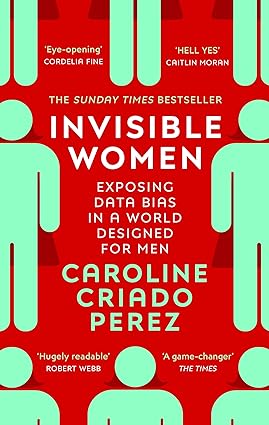
The neglect of female bodies in medicine has a long history. The male-default bias, writes Caroline Criado Perez in Invisible Women, “goes back at least to the ancient Greeks, who kicked off the trend of seeing the female body as a ‘mutilated male’ body (thanks, Aristotle)”:
The female was the male ‘turned outside in’. Ovaries were female testicles (they were not given their own name until the seventeenth century) and the uterus was the female scrotum. […] The male body was an ideal women failed to live up to.
As Criado Perez notes, this bias lives on in male-centric medical research and undifferentiated treatment recommendations. “Women are dying,” she notes, “as a result of the gender data gap.” The belief that there is nothing specifically different about female people — cut a bit here, add a bit there, and we’re the same as men — has led to our symptoms being ignored and our pain dismissed.
Over the past few years, there have been a number of books — Elinor Cleghorn’s Unwell Women, Cat Bohannon’s Eve, Leah Hazzard’s Womb, to name a few — which have aimed to correct the imbalance. This is important both to save lives and ease suffering, and because, on a very basic level, it is insulting for half the human race to have our bodies treated as lesser, imperfect versions of a male ideal. We are more than that. We exist in our own right.
There are many in medicine, however, who still seem to think that Aristotle was right. Last week, for instance, the World Health Organisation announced it would be developing new guidelines into “the health of trans and gender diverse people”. While this might sound positive, as Eliza Mondegreen notes, many of those leading the development group hold highly regressive views about sex, gender and bodies. It is only possible to believe that a person could change sex if you have not given much consideration to the “second” sex at all.
One of the oddities of trans healthcare is that it masquerades as progressive despite having evolved from — and continuing to rely on — an understanding of sex difference which is regressive, male-centric and superficial. Because no one wants to admit it, this has led to a plethora of articles along the lines of “Here’s Why Human Sex Is Not Binary” and “Sex Redefined: The Idea of 2 Sexes Is Overly Simplistic“. While these claim to be adding extra detail and nuance to our understanding, what they do in practice is revert back to privileging the male default. Sex is all so varied, all so different, they tell us, we might as well not bother setting any standards for what counts as “femaleness”. We’re all just human, aren’t we? Only some bodies have tended to be considered more human than others. Rebranding “the male default” “the sex spectrum” is a sneaky way of insisting, once again, that female people are nothing more than males with a few minor tweaks.
This is the new medical misogyny, built on the back of the old version. Unfortunately, because it positions itself as anti-conservative and even pro-feminist, many writers of texts that address the old version feel obliged to go along with the new. It’s not difficult to see why. Who wants their work to be undermined by bad faith accusations of transphobia? Isn’t it easier just to say “it’s clear that trans women are women” — as Bohannon has done — on the basis that at least this will enable you to challenge the centring of male bodies elsewhere?
QotD: Iron and steel
Compared to the other materials available for tools and weapons, high carbon “spring steel” was essentially the super-material of the pre-modern world. High carbon steel is dramatically harder than iron, such that a good steel blade will bite – often surprisingly deeply – into an iron blade without much damage to itself. Moreover, good steel can take fairly high energy impacts and simply bend to absorb the energy before springing back into its original shape (rather than, as with iron, having plastic deformation, where it bends, but doesn’t bend back – which is still better than breaking, but not much). And for armor, you may recall from our previous look at arrow penetration, a steel plate’s ability to resist puncture is much higher than the same plate made of iron (bronze, by the by, performs about as well as iron, assuming both are work hardened). of course, different applications still prefer different carbon contents; armor, for instance, tended to benefit from somewhat lower carbon content than a sword blade.
It is sometimes contended that the ancients did not know the difference between iron and steel. This is mostly a philological argument based on the infrequency of a technical distinction between the two in ancient languages. Latin authors will frequently use ferrum (iron) to mean both iron and steel; Greek will use σίδηρος (sideros, “iron”) much the same way. The problem here is that high literature in the ancient world – which is almost all of the literature we have – has a strong aversion to technical terms in general; it would do no good for an elite writer to display knowledge more becoming to a tradesman than a senator. That said in a handful of spots, Latin authors use chalybs (from the Greek χάλυψ) to mean steel, as distinct from iron.
More to the point, while our elite authors – who are, at most dilettantish observers of metallurgy, never active participants – may or may not know the difference, ancient artisans clearly did. As Tylecote (op. cit.) notes, we see surface carburization on tools as clearly as 1000 B.C. in the Levant and Egypt, although the extent of its use and intentionality is hard to gauge to due rust and damage. There is no such problem with Gallic metallurgy from at least the La Tène period (450 BCE – 50 B.C.) or Roman metallurgy from c. 200 B.C., because we see evidence of smiths quite deliberately varying carbon content over the different parts of sword-blades (more carbon in the edges, less in the core) through pattern welding, which itself can leave a tell-tale “streaky” appearance to the blade (these streaks can be faked, but there’s little point in faking them if they are not already understood to signify a better weapon). There can be little doubt that the smith who welds a steel edge to an iron core to make a sword blade understands that there is something different about that edge (especially since he cannot, as we can, precisely test the hardness of the two every time – he must know a method that generally produces harder metal and be working from that assumption; high carbon steel, properly produced, can be much harder than iron, as we’ll see).
That said, our ancient – or even medieval – smiths do not understand the chemistry of all of this, of course. Understanding the effects of carbuzation and how to harness that to make better tools must have been something learned through experience and experimentation, not from theoretical knowledge – a thing passed from master to apprentice, with only slight modification in each generation (though it is equally clear that techniques could move quite quickly over cultural boundaries, since smiths with an inferior technique need only imitate a superior one).
Bret Devereaux, “Collections: Iron, How Did They Make It, Part IVa: Steel Yourself”, A Collection of Unmitigated Pedantry, 2020-10-09.
January 1, 2024
The largest telescope that will ever be built*
Tom Scott
Published 2 Oct 2023The asterisk is important.
■ More on the ELT: @ESOobservatory https://eso.orgThe Extremely Large Telescope, in Paranal, Chile, is probably going to be the largest optical telescope that will ever be constructed. I was invited out there by the UK Science and Technology Facilities Council and the European Southern Observatory, and I wasn’t going to turn down a chance like that.
📰 DISCLAIMER
While the STFC and ESO invited me and arranged the logistics after arrival into the Antofagasta region, I was not paid for this (not even my travel costs) and I have sole editorial control over the video. This is not an advert.
(more…)
December 26, 2023
The awe-inducing power of volcanoes
Ed West considers just how much human history has been shaped by vulcanology, including one near-extinction event for the human race:

A huge volcano has erupted in Iceland and it looks fairly awesome, both in the traditional and American teenager senses of the word.
Many will remember their holidays being ruined 13 years ago by the explosion of another Icelandic volcano with the epic Norse name Eyjafjallajökull. While this one will apparently not be so disruptive, volcano eruptions are an under-appreciated factor in human history and their indirect consequences are often huge.
Around 75,000 years ago an eruption on Toba was so catastrophic as to reduce the global human population to just 4,000, with 500 women of childbearing age, according to Niall Ferguson. Kyle Harper put the number at 10,000, following an event that brought a “millennium of winter” and a bottleneck in the human population.
In his brilliant but rather depressing The Fate of Rome, Harper looked at the role of volcanoes in hastening the end of antiquity, reflecting that “With good reason, the ancients revered the fearsome goddess Fortuna, out of a sense that the sovereign powers of this world were ultimately capricious”.
Rome’s peak coincided with a period of especially clement climatic conditions in the Mediterranean, in part because of the lack of volcanic activity. Of the 20 largest volcanic eruptions of the last 2,500 years, “none fall between the death of Julius Caesar and the year AD 169”, although the most famous, the eruption of Vesuvius in AD 79, did. (Even today it continues to reveal knowledge about the ancient world, including a potential treasure of information.)
However, the later years of Antiquity were marked by “a spasm” of eruptions and as Harper wrote, “The AD 530s and 540s stand out against the entire late Holocene as a moment of unparalleled volcanic violence”.
In the Chinese chronicle Nan Shi (“The History of the Southern Dynasties”) it was reported in February 535 that “there twice was the sound of thunder” heard. Most likely this was a gigantic volcanic explosion in the faraway South Pacific, an event which had an immense impact around the world.
Vast numbers died following the volcanic winter that followed, with the year 536 the coldest of the last two millennia. Average summer temperature in Europe fell by 2.5 degrees, and the decade that followed was intensely cold, with the period of frigid weather lasting until the 680s.
The Byzantine historian Procopius wrote how “during the whole year the sun gave forth its light without brightness … It seemed exceedingly like the sun in eclipse, for the beams it shed were not clear”. Statesman Flavius Cassiodorus wrote how: “We marvel to see now shadow on our bodies at noon, to feel the mighty vigour of the sun’s heat wasted into feebleness”.
A second great volcanic eruption followed in 540 and (perhaps) a third in 547. This led to famine in Europe and China, the possible destruction of a city in Central America, and the migration of Mongolian tribes west. Then, just to top off what was already turning out to be a bad decade, the bubonic plague arrived, hitting Constantinople in 542, spreading west and reaching Britain by 544.
Combined with the Justinian Plague, the long winter hugely weakened the eastern Roman Empire, the combination of climatic disaster and plague leading to a spiritual and demographic crisis that paved the way for the rise of Islam. In the west the results were catastrophic, and urban centres vanished across the once heavily settled region of southern Gaul. Like in the Near East, the fall of civilisation opened the way for former barbarians to build anew, and “in the Frankish north, the seeds of a medieval order germinated. It was here that a new civilization started to grow, one not haunted by the incubus of plague”.
December 19, 2023
Behind enemy lines at the WPATH symposium
Eliza Mondegreen reports her experiences at the World Professional Association for Transgender Health gathering in Montreal last year:

This was no ordinary medical conference. Over the course of three days, I learned a great many things. That eunuchs are one of the world’s oldest gender identities and that doctors should not judge their strange desires for castration but fulfil them. That, “ideally, patients wouldn’t be actively psychotic” when they initiated testosterone, but that psychotic patients consent to take medication like stool softeners and statins all the time and “people don’t pay that much attention”. That it would be “ableist” to question an autistic girl’s insistence on a double mastectomy. That patients who claim to have multiple personalities that disagree about which irreversible steps to take toward transition can find consensus — or at least obtain a quorum — using a smartphone app.
It is hard to shock me these days — but as I moved around the World Professional Association for Transgender Health’s symposium in Montreal in September 2022, I often felt as if I’d slipped sideways into some strange universe that operated in accordance with other laws: where up is down and girls are boys and medicine has left its modest brief — healing — far behind in its breathless pursuit of transcendence.
I wasn’t really supposed to be there. I hadn’t misrepresented myself — I am what I claimed to be: a graduate student researching gender identity — but this was a convocation for believers and I’m a sceptic. When WPATH, the world’s most prestigious and influential gathering in transgender healthcare, came to Montreal, I couldn’t resist the opportunity to see up close the people and ideas I had pursued through so many articles and books.
[…]
It’s difficult to imagine clinicians practising in other areas of medicine not asking such basic questions, especially when the basis for treatment is so murky. But a good gender clinician, looking at a patient, does not see what non-believers like you or I might see. A good clinician falls under the sway of the same fantasy as the patient and conspires with her to bring her transgender self into existence. Under this framework, there is no “really trans” or not. There is only what the patient says and the readiness of the clinician to put herself at the service of the patient’s vision.
A bad gender clinician, by contrast, feels an “entitlement to know” why a patient feels the way she does or why she seeks a particular intervention. She clings to a traditional conception of her role as a “gatekeeper” who evaluates and prescribes. She thinks she can “discern a ‘true’ gender identity beyond what is articulated by the patient”. She may believe she can “identify the ‘root cause’ of a transgender identity”, which is seen as pathologising. She may try to leave the door open to desistance — the most common outcome before gender clinicians started interfering with normal development by deploying puberty-blocking drugs — in which case she is guilty of “valuing cis lives over trans lives”.
A bad gender clinician is easily “intimidated” by complicated patients, while a good gender clinician knows how to secure consent even in the trickiest cases. Mental health difficulties become “mental health differences”. Severe autism or thinking you have multiple personalities living inside your head become empowering forms of “neurodiversity”. When it comes to assessment, “careful” and “comprehensive” have become dirty words: “The answer always seems to be more assessment and more time. That’s gatekeeping.”
During the Denver conference, presenters role-played how to secure informed consent for a hysterectomy and phalloplasty in the case of a schizophrenic, borderline autistic, intellectually disabled “demiboy” with a recent psychiatric hospitalisation. At no point do the role-players encounter any real barriers. Instead, they persevere. At first, the patient struggled to understand why a phalloplasty might require multiple surgeries, but then the clinicians “explained everything” and the patient understood. This is called “lean[ing] into the nuance of capacity”.
The moral of this story is clear: failure to achieve informed consent is a failure on the part of the clinician, a failure of imagination and flexibility, not a recognition that some patients — whether because of age or mental illness or intellectual disability — will simply not be able to consent.
December 17, 2023
How RFK, Jr. helped destroy British Columbia’s resource-based economy
Elizabeth Nickson found herself added to one of Robert F. Kennedy Jr.’s fundraising mailing lists:
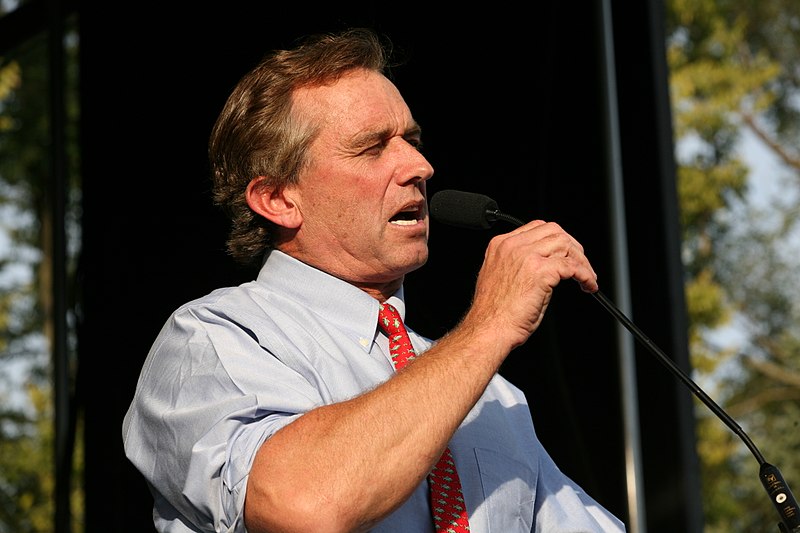
Robert F. Kennedy, Jr. speaking in Urbana, Illinois on October 14, 2007.
Photo by Daniel Schwen via Wikimedia Commons.
I am on RFKJr’s campaign mailing list, probably through Children’s Health Defence and they asked me for money, and I said sure, just as soon as he fixes the catastrophe he caused in the province where I live.
Got a message back!
It read, “Elizabeth, I am sure Robert would fix whatever harm he caused, can you explain?”
No problem, I said.
1. In British Columbia, we had the largest industrial forest in the world
2. It paid for education and universal “free” health care.
3. The environmental left decided to shut it down.
4. The reason for their protest was that the government, as was common practice, had sold cutting permits with long leaseholds. A new socialist government announced it was pulling the permits and taking those forests back.
5. In order not to lose all the invested money, which they had not only paid for upfront and in annual leasing charges, but paid taxes on, some for decades, lessees immediately clear cut their lands. Clear cuts are ugly. (but they are fire breaks)
6. That triggered the protest.
7. RFK Jr came in under RiverKeepers and supercharged the protest. His celebrity and glamour made the protest major international news. I was in London, I heard about it. More kids joined the protest. And then more and more. Until the government caved. Would it have happened without his presence? I do not think so. He gave very young people who had no access to power, nor any hope of it, ever, a very heady hit of significance and their lives took on huge huge meaning. For many it remains the high point of their lives. Because for the province, it was all downhill from there. All promise vanished and a grinding slow growth followed.
8. Over the ensuing ten years, cutting was diminished and heavy regulation covered the rest. By 2002, written regulations piled on top of each other stood seven feet high, taller than a man.
9. Forested communities died.
10. 100,000 families lost their livelihood.
11. Resource jobs have huge multipliers, not only forested towns died, so did regional metropolitan centers. Greens, replete with success, hit other resource industries – mining, ranching – which died. More families bankrupted.
12. They were told to go into tourism.
13. Which pays minimum wage and can only support a family if everyone, even the children, work. And, it’s seasonal.
14. Over time, the unmanaged forests became clogged with overgrowth, little trees like carrots pulled all the water from the forest floor, desiccated the soil and then pulled water from aquifers. The forests became tinder. And increasingly every summer, they explode in fire.
15. The government needed money.
16. Casinos provided it.
17. Asian cartels – you cannot imagine how violent they are – moved in and used the casinos to launder most of the drug money from North America. They bribed immigration, they bribed city government, they threatened anyone who tried to stand in their way.
18. They were so successful, human trafficking and child sex trafficking shot up. We have the second largest port on the west coast of North and South America. Through it streams container loads of drugs and trafficked children and women. At the port, you just stand aside, if you want to live. You think most of the fentanyl comes in through Mexico? Nope. It comes in through us.
19. The cartels do pay taxes. You think Black Rock is bad? These guys kill if they don’t get what they want. They are buying every business they can, to launder money through. The cartels also launder money through real estate in the city. That means housing is insanely expensive and property taxes are sky high. Canadians can’t afford to buy houses or live in the ones they own. A family making a median income has to pay 100% of income to buy a median priced house.
20. Crime is a) a driver of the economy and b) a principal source of government revenue.
21. Green has destroyed the province.
And that, I am afraid, is what celebrities do. It is why they are so hated, and one of the reason Hollywood is dying. They destroy the lives of ordinary men and women, and then move on to greater heights. Their lives are so privileged, they have absolutely no idea how people make money. And RFKJr, mind-numbingly privileged from birth, is the same. When asked about climate change, he says it’s happening but taxes won’t work. “Regenerative agriculture” he says, vaguely. It is true, regenerative agriculture could capture a lot of carbon, the amount debatable but it has promise. But cutting regulation? He has no, zero, absolutely no idea of how regulation punishes the non-elites. His is a black hole of ignorance and that is common; a majority have zero idea. Zero.
December 16, 2023
Do Droughts Make Floods Worse?
Practical Engineering
Published 5 Sept 2023The answer isn’t as simple as you might think!
One statistician famously said, “All models are wrong, but some are useful”. And even something as simple as the flow of water into the soil has so many complexities to keep track of. Like most answers to simple questions in engineering and in life: the answer is that it’s complicated.
(more…)
December 15, 2023
QotD: Delayed onset adulthood
At the risk of sounding all White Christian Male and stuff [irony alert], allow me to remind everyone of this excellent precept from Corinthians:
When I was a child, I spake as a child, I understood as a child, I thought as a child: but when I became a man, I put away childish things.
Except that men aren’t doing any of that. Instead, they’re clinging to the artifacts of their childhood, hoping that Mommy will be there to keep the Big Bad Wolf/Zombies away.
What will inevitably happen is calamity. As Charles Norman puts it: “The world is running out of grown-ups. It will probably take tragedies and a prolonged era of diminished affluence for people to grow up.”
Like I said: calamity.
Kim du Toit, “Kiddies”, Splendid Isolation, 2019-08-22.
December 14, 2023
Whatever it is, it sure ain’t Stoicism …
Freddie deBoer doesn’t have a catchy name for this, but you’ll recognize it instantly from the description:
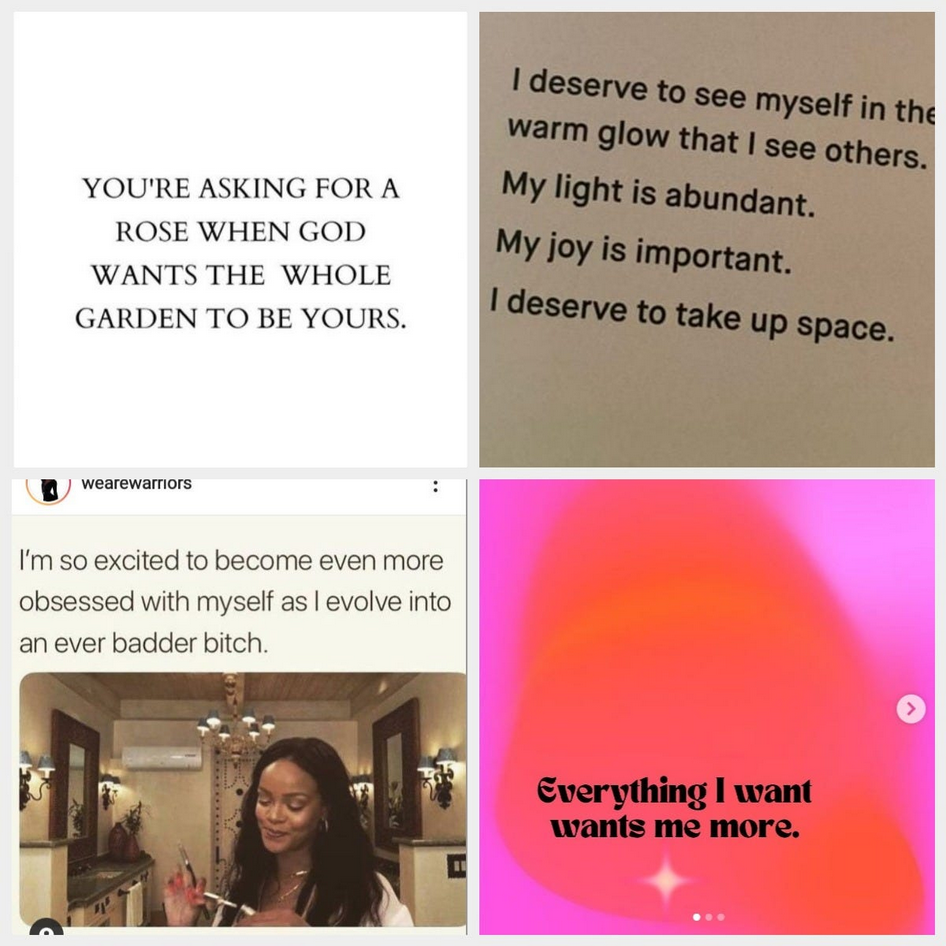
For years now, I’ve written once or twice annually about a phenomenon that I’ve struggled to name but which everyone understands. It’s a particular kind of social and aesthetic culture, not exclusive to Instagram but very heavily associated with it, that merges girlboss feminism with the contemporary therapeutic imperative, a strange syncretic mysticism involving horoscopes and “manifesting”, and a blanket excuse for narcissism and selfishness dressed up in quasi-political and self-help terms. You know what I mean.
Some of these memes are comically ridiculous, most of them are fairly innocuous, and a few of them make me deeply sad. But they all reveal a tangle of conflicting attitudes and ideas that are quite confused. You would never assemble these various impulses into a life philosophy on purpose; they’ve been grafted together mostly thanks to the weird rhythms and path dependence of social media. Either way, I’ve argued that they present an essential problem with any kind of “I can have it all” philosophy — millions of people absorb this stuff, and because many of the things we want in life are zero sum, not all of them in fact can have it all. Almost all of them, in fact, will get very much less than it all. You have this absurd manifesting/The Secret stuff, where grown adults genuinely convince themselves that they can will what they want into being simply through wanting it. Well, alright: what if two people want the same promotion at work, and they’re both manifesting it? The clod philosophy this is all attached to says that whoever wins wanted it more, and since wanting can’t be quantified, no one can ever prove that isn’t true. (Convenient!) Regardless, in the case of the singular promotion and two people manifesting for it, only one of the people who has read endless memes like these actually ends up being self-actualized by success. This is OK; life can be full of contentment and disappointment at the same time. Part of what makes this kind of messaging pernicious, though, is that it suggests that not getting everything you want is always a personal failure you shouldn’t accept.
It is not possible that God promised the whole garden to everyone. (That’s not how fractions work, even for God.) It is not socially responsible to believe that you are entitled to the whole garden. And setting yourself up to see anything short of the whole garden as failure is a recipe for making yourself miserable.
That’s related to another point I’ve made, which is that these memes create an unachievable expectation that healthy, successful women aren’t in possession of ordinary confidence but of lunatic confidence, a kind of confidence rarely seen outside of Michael Jordan or bipolar mania. In a particularly perverse irony of the sort that seems to usually afflict women, this demand for outrageous self-confidence becomes just another bar that women feel like they can’t meet. A whole affirmational culture that ostensibly exists to help and affirm and praise women ends up being just one more on the long list of expectations that our society heaps on them: hard-charging and career-oriented but always putting family first, well put-together but always effortless, sexy but not slutty, Madonna and whore, you know the whole deal. I’m sorry that this stuff is so gendered, but it is, and I’m sorry that I’m the wrong messenger on this topic, but no one else is making these arguments, so I must. Yes, I concede that for most people who indulge in this stuff, it’s a harmless hobby that maybe pushes them to be a little better to themselves. But as time goes on, the messaging has grown more and more deranged, and young people are very susceptible to this sort of thing. And my job is to worry.
Pervasive disrespect for the human form in art (and everything else) is a leading indicator of collapse
My headline isn’t exactly what Ted Gioia says here (although this is only the beginning of his article, as the rest is behind a paywall) but it’s definitely an aspect of what he’s seeing:

For thousands of years, flourishing societies treated the human form with love and respect.
The connection is hard to describe with precision. But, it seems, you can’t make much progress promoting human rights if you don’t start with some degree of reverence for the embodied individual.
Even neanderthals knew about ornamentation and figurative art, but paintings of actual people, created by communities along the Nile River, some 8,000 years ago, signaled the rise of more advanced, stable institutions. It’s no coincidence that democracy and personal autonomy in Greece and Rome happened in conjunction with obsessively realistic renderings of the human body.
Much of this was lost in the post-classical world, but Renaissance artists rediscovered this passion for the human figure — which was embedded in its nurturing of science, art, and free inquiry
But something very different is happening in our own time.
I won’t offer any theories today. I’ll just share the facts — in the form of news stories, all about different subjects.
None of these stories have any direct connection with the others. Yet they fit together like the pieces of a strange puzzle. The picture they make is ominous.
Maybe you have some explanations. In the meantime, let’s just plunge in …
1. You can’t hear people talking in movies — because directors prefer to share background sounds.
“I used to be able to understand 99% of the dialogue in Hollywood films. But over the past 10 years or so, I’ve noticed that percentage has dropped significantly — and it’s not due to hearing loss on my end. It’s gotten to the point where I find myself occasionally not being able to parse entire lines of dialogue when I see a movie in a theater, and when I watch things at home, I’ve defaulted to turning the subtitles on to make sure I don’t miss anything crucial to the plot.”2. Lead vocalists are getting quieter while the sound of the instruments become louder.
“Lead vocalists have gotten quieter over the decades, compared with the rest of the band. That’s the conclusion of a new study that analyzes chart-topping pop tunes from 1946 to 2020 …”3. Anthropophobia — the fear of other people — is on the rise.
“Anthropophobia, or the fear of people, has so far been America’s most searched-for phobia this year. In that study, anthropophobia accounted for 22% of all phobias that people searched for online, a five-fold increase over 2019. And the state-by-state results affirm common stereotypes. New York’s most-searched phobia in 2020, for example, has been “philophobia.” That’s a big word for the fear of intimacy.”4. Time spent alone is rising for all demographic groups.
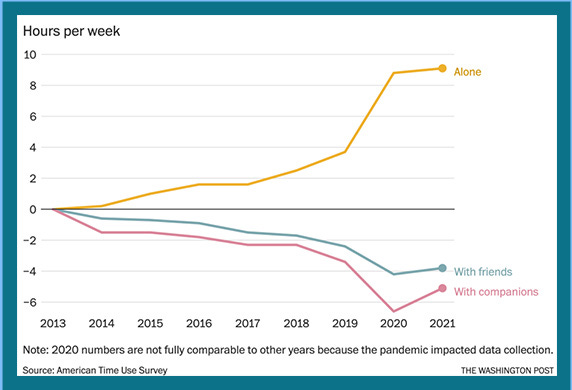
“According to data from the American Time Use Survey, the amount of time people spent with their friends, family and other companions was mostly unchanged between 1970 and 2013. Then, after decades of stability, the numbers began falling. By 2019, on average people were spending almost three hours less with their friends than only six years earlier, and four hours less with their family, neighbors and other companions.
“None of that time was transferred to more time with partners, children or others. All of it was swallowed up by time spent alone … Strikingly, the average American teenager today spends 11 hours fewer with their friends than they did only eight years ago, and 12 hours more time alone.”
5. Clothing retailers replace realistic mannequins with abstract forms.
“There were a ton of used mannequins sitting in retailers’ attics and storerooms. Every time they re-merchandised or remodeled, they were bringing in new mannequins to replace the old, increasingly replacing realistics with abstracts. And it wasn’t just full mannequins, it was head forms, leg forms, maternity mannequins, swimwear mannequins and all kinds of props, as well. Retailers would throw these items in the trash.”6. Social media causes children to dislike their own bodies.
“Three out of four children as young as 12 dislike their bodies and are embarrassed by the way they look, increasing to eight in 10 young people aged 18 to 21 … Nearly half of all children and young people aged from 12 to 21 questioned said they have become withdrawn, started exercising excessively, stopped socialising completely or self-harmed because they are regularly bullied or trolled online about their physical appearance.
December 13, 2023
Ontario discovers that even “great ideas” with the “best of intentions” sometimes go wrong
In The Line, Adam Zivo reports on Ontario’s “safe supply” drug program running into another one of those pesky human nature problems that couldn’t possibly have been foreseen:
Image courtesy of Meme Generator
New research from Ontario has yielded further evidence that Canada’s “safer supply” drug programs are being widely defrauded and putting addicts’ lives at risk.
These programs claim to reduce overdoses and deaths by providing drug users with pharmaceutical alternatives to potentially tainted illicit substances. In Canada, that typically means distributing large volumes of hydromorphone, an opioid as potent as heroin, in the hope of reducing consumption of illicit fentanyl.
Addiction experts have widely reported that, based on their clinical experiences, drug users regularly trade or sell (“divert”) some (perhaps much) of their safer supply on the black market to fund the purchase of stronger substances. This has flooded some communities with hydromorphone, crashing its street price by up to 95 per cent over the past three years while spurring new addictions, especially among youth.
The federal government denies that these problems exist and has said that any evidence of harm is “anecdotal” — but two addiction experts working in a hospital in London, Ontario recently used patient data to show that the problem is indeed very real.
Dr. Sharon Koivu and Allison Mackinley (a nurse practitioner) examined the charts of 200 patients who had been referred to Victoria Hospital’s addiction medicine consultation service between January and June 2023.
The review showed that 32 per cent of patients who were not in a safer supply program had self-reported using diverted hydromorphone — the vast majority of these patients indicated that their hydromorphone came from purchasing drugs provided to someone else as part of a safer supply program.
“It was more common for them to actually specify safer supply than to say they didn’t know the source,” said Dr. Koivu in an interview. “They said things like, ‘The person in the apartment beside me goes and picks up her safer supply and when she comes back I get 20 of her pills’. It was quite specific.”
Diversion was not the only problem that was validated.
The chart data suggested that safer supply clients were roughly five-to-10 times more likely to be hospitalized than drug users receiving traditional, evidence-based addiction medications, such as methadone or buprenorphine (these medications are known as “opioid agonist therapy“, or “OAT”). Compared to OAT patients, drug users on safer supply were more than 15 times more likely to be hospitalized for serious infections.
These findings were so concerning that when a group of 35 addiction physicians recently wrote an open letter calling upon the federal government to reform safer supply, they included this data in their accompanying evidence brief.
(This chart, included in a recent evidence brief, compares the number of hospitalized patients with the number of drug users in London, Ontario who receive safer supply (250), methadone (2,000), and buprenorphine (300).)
Safer supply patients also had a slightly higher hospitalization rate, and only slightly lower infection rate, than patients who were receiving no addiction treatment at all, which suggests that the health benefits of safer supply may actually be negligible.
Dr. Koivu said that the hospitalization rate seen among safer supply patients was “alarmingly high” considering that safer supply programs provide significant wraparound supports (i.e. access to doctors, housing and social assistance) in conjunction with free hydromorphone. Any patient who receives such supports should see substantially improved health outcomes.

QotD: Woke psychiatry
No. Nobody has forgotten that. Because the third thing you notice at the American Psychiatric Association meeting is that everyone is very, very woke.
Here are some of the most relevant presentations listed in my Guidebook:
Saturday, May 18
- Climate Psychiatry 101: What Every Psychiatrist Should Know
- Women’s Health In The US: Disruption And Exclusion In The Time Of Trump
- Gender Bias In Academic Psychiatry In The Era Of the #MeToo Movement
- Revitalizing Psychiatry – And Our World – With A Social Lens
- Hip-Hop: Cultural Touchstone, Social Commentary, Therapeutic Expression, And Poetic Intervention
- Lost Boys Of Sudan: Immigration As An Escape Route For Survival
- Treating Muslim Patients After The Travel Ban: Best Practices In Using The APA Muslim Mental Health Toolkit
- Making The Invisible Visible: Using Art To Explore Bias And Hierarchy In Medicine
- Navigating Racism: Addressing The Pervasive Role Of Racial Bias In Mental Health
Sunday, May 20
- Addressing Microaggressions Toward Sexual And Gender Minorities: Caring For LGBTQ+ Patients And Providers
- Latino Undocumented Children And Families: Crisis At The Border And Beyond
- Racism And Psychiatry: Growing A Diverse Psychiatric Workforce And Developing Structurally Competent Psychiatric Providers
- Sex, Drugs, And Culturally Responsive Treatment: Addressing Substance Use Disorders In The Context Of Sexual And Gender Diversity
- Grabbing The Third Rail: Race And Racism In Clinical Documentation
- Racism And The War On Terror: Implications For Mental Health Providers In The United States
- The Multiple Faces Of Deportation: Being A Solution To The Challenges Faced By Asylum Seekers, Mixed Status Families, And Dreamers
- What Should The APA Do About Climate Change?
- Intersectionality 2.0: How The Film Moonlight Can Teach Us About Inclusion And Therapeutic Alliance In Minority LGBTQ Populations
- Transgender Care: How Psychiatrists Can Decrease Barriers And Provide Gender-Affirming Care
- Gun Violence Is A Serious Public Health Problem Among America’s Adolescents And Emerging Adults: What Should Psychiatrists Know And Do About It?
- Working Clinically With Eco-Anxiety In The Age Of Climate Change: What Do We Know And What Can We Do?
- Are There Structural Determinants Of African-American Child Mental Health? Child Welfare – A System Psychiatrists Should Scrutinize
Monday, May 21
- Community Activism Narratives In Organized Medicine: Homosexuality, Mental Health, Social Justice, and the American Psychiatric Association
- Disrupting The Status Quo: Addressing Racism In Medical Education And Residency Training
- Ecological Grief, Eco-Anxiety, And Transformational Resilience: A Public health Perspective On Addressing Mental Health Impacts Of Climate Change
- Immigration Status As A Social Determinant Of Mental Health: What Can Psychiatrists Do To Support Patients And Communities? A Call To Action
- Psychiatry In The City Of Quartz: Notes On The Clinical Ethnography Of Severe Mental Illness And Social Inequality
- Racism And Psychiatry: Understanding Context And Developing Policies For Undoing Structural Racism
- Trauma Inflicted To Immigrant Children And Parents Through Policy Of Forced Family Separation
- Deportation And Detention: Addressing The Psychosocial Impact On Migrant Children And Families
- How Private Insurance Fails Those With Mental Illness: The Case For Single-Payer Health Care
- Imams In Mental Health: Caring For Themselves While Caring For Others
- Misogynist Ideology And Involuntary Celibacy: Prescription For Violence?
- Advocacy: A Hallmark Of Psychiatrists Serving Minorities
- Inequity By Structural Design: Psychiatrists’ Responsibility To Be Informed Advocates For Systemic Education And Criminal Justice Reform
- Treating Black Children And Families: What Are We Overlooking?
- Blindspotting: An Exploration Of Implicit Bias, Race-Based Trauma, And Empathy
- But I’m Not Racist: Racism, Implicit Bias, And The Practice Of Psychiatry
- No Blacks, Fats, or Femmes: Stereotyping In The Gay Community And Issues Of Racism, Body Image, And Masculinity
- Silence Is Not Always Golden: Interrupting Offensive Remarks And Microaggressions
- Black Minds Matter: The Impact Of #BlackLivesMatter On Psychiatry
… you get the idea, please don’t make me keep writing these.
Were there really more than twice as many sessions on global warming as on obsessive compulsive disorder? Three times as many on immigration as on ADHD? As best I can count, yes. I don’t want to exaggerate this. There was still a lot of really meaty scientific discussion if you sought it out. But overall the balance was pretty striking.
I’m reminded of the idea of woke capital, the weird alliance between very rich businesses and progressive signaling. If you want to model the APA, you could do worse than a giant firehose that takes in pharmaceutical company money at one end, and shoots lectures about social justice out the other.
Scott Alexander, “The APA Meeting: A Photo-Essay”, Slate Star Codex, 2019-05-22.


