
For one of the most destructive wars in European history (until the 20th century), most people know little or nothing about the Thirty Years’ War (which was a name applied later to a series of overlapping and interlocking conflicts that caused nearly 10 million deaths between 1618 and 1648). One of the many causes wasn’t so much religious or military, it was financial:
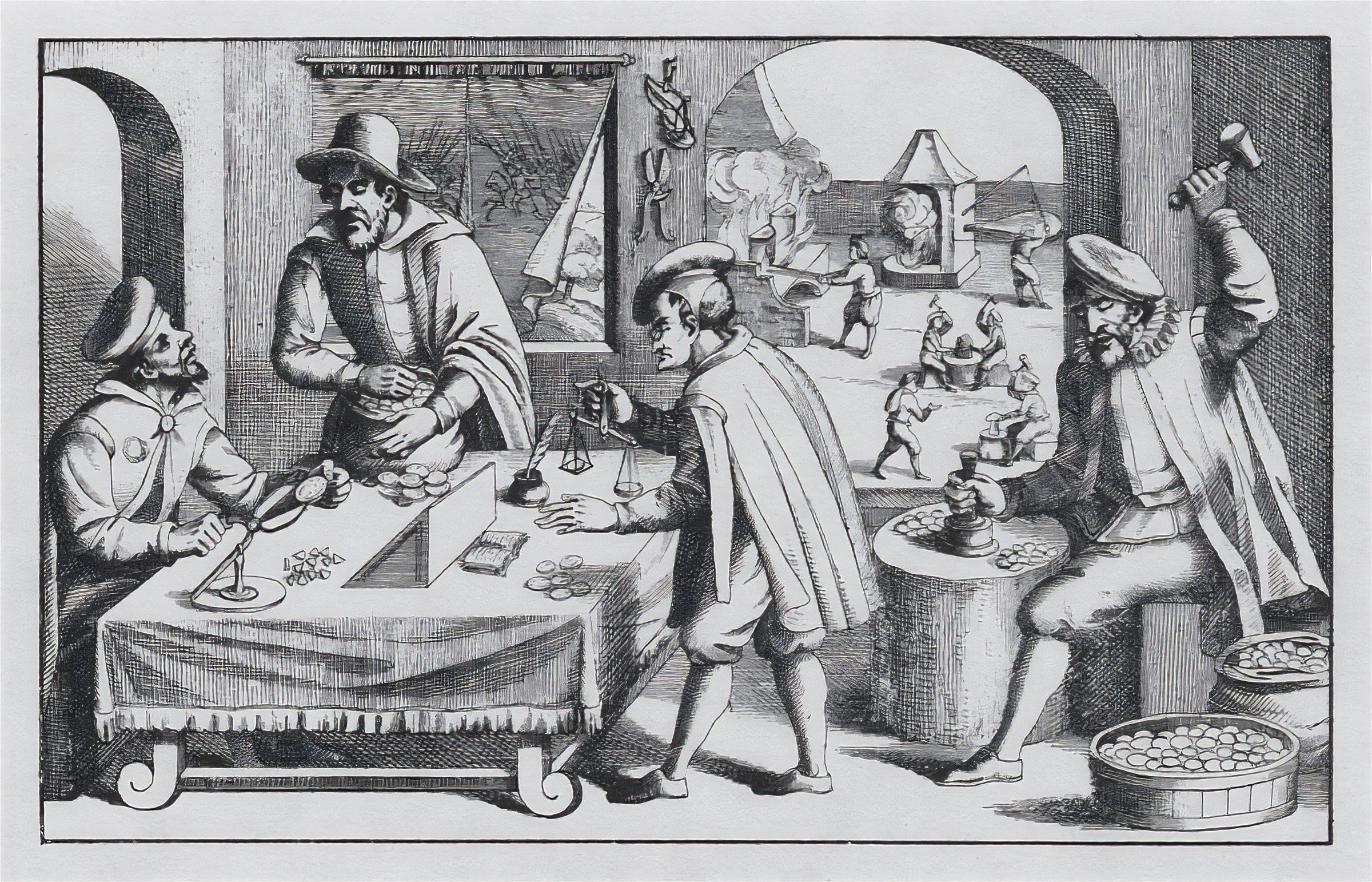
“Clipping coins in a Kipper mint”
Wikimedia Commons.
The Kipper und Wipperzeit of 1621 to 1623 [Wiki] was a direct consequence of princes and mints doing exactly what governments always do when they need money and cannot borrow it: they debased the currency.
The Thirty Years’ War started in 1618, and the Holy Roman Empire’s princes immediately faced a problem. War is expensive. Silver is finite. So the mints across the Empire began clipping, sweating, and debasing the small subsidiary coins that ordinary people used for daily transactions, flooding markets with copper-heavy pfennigs and kreutzers while hoarding the full-weight silver.
If you want to understand Gresham’s Law in its most brutal form, watch this play out. Bad money drives out good. People saved the honest silver and spent the garbage. Prices in nominal terms exploded. Contemporary accounts from Frankfurt and Augsburg document grain prices doubling and tripling between 1619 and 1623.
The real villain is the territorial mint system, which gave dozens of competing princes the legal power to set coin standards within their own borders. That fragmented monetary sovereignty created a race to the bottom. Each prince had every incentive to debase slightly more than his neighbor, because the first mover extracted real purchasing power before the market caught on.
This is currency debasement as taxation without legislation. The people who held wages and savings in subsidiary coin absorbed the loss. The princes who controlled the mints captured the seigniorage gain. No vote, no debate, no accountability.
Sound money advocates have been clear about the mechanism: when you hand governments monopoly power over coinage, they spend it. Every single time. The Kipper und Wipperzeit killed trade, wiped out savings across central Europe, and contributed to social instability that fed the war it financed. The policy destroyed the instrument it relied on.
Debasement never solves a fiscal crisis; it transfers it onto the population.


