Townsends
Published on 18 Jun 2018Today’s featured cookbook ➧ https://amzn.to/2MCOF6A ➧➧
Visit Our Website! ➧ http://www.townsends.us/ ➧➧
Help support the channel with Patreon ➧ https://www.patreon.com/townsend ➧➧


Townsends
Published on 18 Jun 2018Today’s featured cookbook ➧ https://amzn.to/2MCOF6A ➧➧
Visit Our Website! ➧ http://www.townsends.us/ ➧➧
Help support the channel with Patreon ➧ https://www.patreon.com/townsend ➧➧
Zombie Orpheus Entertainment
Published on 11 Jul 2019“Conjure Milk Raspberry Scones” with Brian Lewis and Christian Doyle, from the recipe by The Gluttonous Geek.

America’s Test Kitchen
Published on 3 Mar 2019Keith shows Bridget how to make the absolute best garlic bread.
Get the recipe for Really Good Garlic Bread: http://cooks.io/2I9Anbx
Buy Our Winning Rasp-Style Grater: https://cooks.io/2VrLqlUABOUT US: Located in Boston’s Seaport District in the historic Innovation and Design Building, America’s Test Kitchen features 15,000 square feet of kitchen space including multiple photography and video studios. It is the home of Cook’s Illustrated magazine and Cook’s Country magazine and is the workday destination for more than 60 test cooks, editors, and cookware specialists. Our mission is to test recipes over and over again until we understand how and why they work and until we arrive at the best version.
If you like us, follow us:
http://americastestkitchen.com

Townsends
Published on 2 Oct 2017In this episode we make a simple and delicious, 18th century Ginger Beer. #townsendsgingerbeer
Our suggested books on brewing▶ http://www.townsends.us/book-recommen… ▶▶
Help support the channel with Patreon ▶ https://www.patreon.com/townsend ▶▶
Check Out Our Website! ▶ http://www.townsends.us/ ▶▶

Tasty
Published on 1 Oct 2017

ChefJeanPierre
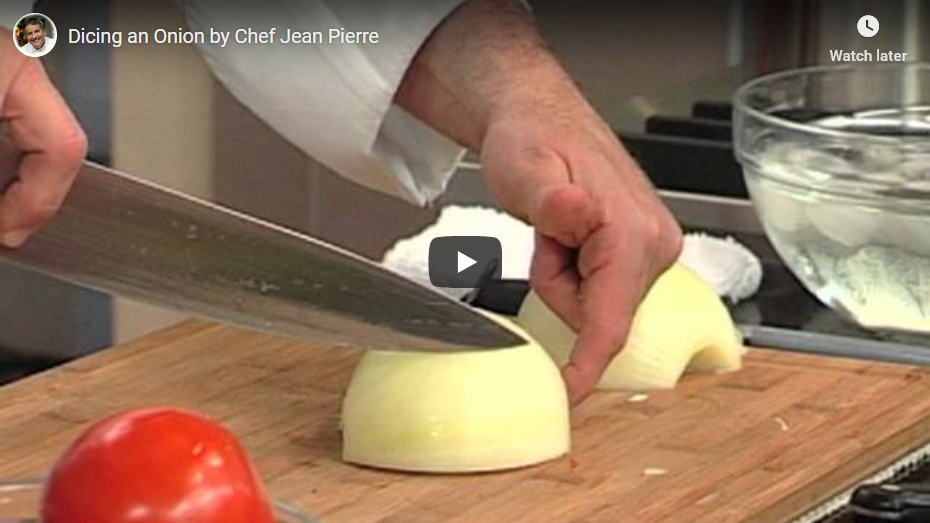
Published on 5 Jan 2012Do you struggle trying to dice an onion? Chef Jean Pierre shows you the easiest way to dice an onion without shedding a tear.
Zombie Orpheus Entertainment
Published on 21 Jun 2019Undead chef Carrow (Brian Lewis) introduces Rilk’s Wolfback, with special guest Rilk (Jesse Lee Keeter).
We don’t post to YouTube much anymore, but you can catch up on JourneyQuest, The Gamers, and Strowlers at
http://www.amazon.com/v/zombieorpheus (US/UK)
http://watch.thefantasy.network/zombi… (worldwide)

America’s Test Kitchen
Published on 5 Apr 2019Each cutting board model had its fans. But a few factors made certain boards more durable, more pleasant to cut on, and more foolproof to maintain.
Buy our winning heavy-duty cutting board: https://cooks.io/2HZ4oOc
Behind the testing: https://cooks.io/2Ie5yF0
Full testing details and ranking chart: https://cooks.io/2CSPWTBWatch more equipment reviews: https://www.youtube.com/watch?v=KDfNw…
ABOUT US: Located in Boston’s Seaport District in the historic Innovation and Design Building, America’s Test Kitchen features 15,000 square feet of kitchen space including multiple photography and video studios. It is the home of Cook’s Illustrated magazine and Cook’s Country magazine and is the workday destination for more than 60 test cooks, editors, and cookware specialists. Our mission is to test recipes over and over again until we understand how and why they work and until we arrive at the best version.
Joshua Weissman
Published on 5 Apr 2019Hot sauce has a very special place in my heart … And no I’m not talking about heartburn. We can make our own hot sauce at home with any peppers we want. That means that we now have full control over the flavor. The end result? The perfect hot sauce for you. Happy Fermentation Fridays Folks!
Kitchen Organization Video: https://youtu.be/NW6fgAu4h40
FOLLOW ME:
Twitter: https://twitter.com/therealweissman
Website: http://joshuaweissman.com/—————————————————————
Ingredients you’ll need:
Fermented peppers-
1.25lbs (540g) red fresno peppers
1.25qt (1163g) water
3.5 tablespoons (51g) fine sea saltHot Sauce:
8 cloves garlic
1/2 cup (118ml) neutral oil (canola)
1# (456g) fermented peppers (you can leave the seeds on or off)
1/2 cup plus 2 tablespoons (150ml) white distilled vinegar
3 tablespoons (42ml) brine
salt to taste
America’s Test Kitchen
Premiered on 22 Mar 2019Why does ginger burn? Why does ginger turn pink? How come ginger makes meat mushy? Dan answers these questions and more about one of the most interesting ingredients cooks have at their disposal in this episode of What’s Eating Dan?.
Click here to browse our ginger recipes: https://cooks.io/2FlixBy
Click here for our Ginger Snap recipe: https://cooks.io/2JuniOB
Click here for our Ginger-Scallion Everything Sauce recipe: https://cooks.io/2Yh01Tu
How to make Ginger-Milk Curd and the science behind it: https://blog.khymos.org/2014/02/24/gi…ABOUT US: Located in Boston’s Seaport District in the historic Innovation and Design Building, America’s Test Kitchen features 15,000 square feet of kitchen space including multiple photography and video studios. It is the home of Cook’s Illustrated magazine and Cook’s Country magazine and is the workday destination for more than 60 test cooks, editors, and cookware specialists. Our mission is to test recipes over and over again until we understand how and why they work and until we arrive at the best version.
Binging with Babish
Published on 28 Mar 2019Enter offer code “Babish” at Squarespace.com for 10% off your first purchase, or visit: http://smarturl.it/BWBsquarespace
One of my favorite curries is the beloved chicken tikka masala. You can make this dish at home by making your own curry powder and tikka masala sauce.
Shopping List:
+ For the curry powder:
1 stick cinnamon
1 whole nutmeg
2 dried bay leaves
1 Tbsp whole cloves
2 Tbsp cumin seeds
3 Tbsp coriander seeds
1 Tbsp cardamom
1 tsp red pepper flakes+ For the chicken tikka masala marinade:
1 cup full fat yogurt
2 inches ginger, grated
2 garlic cloves, grated
1 Tbsp of the homemade curry powder (above)
Kosher salt
Freshly ground pepper
Drizzle of olive oil
3 boneless, skinless, chicken breasts (cut into 1-inch cubes)+ For the tikka masala sauce
2 inches ginger, grated
1/2 small yellow onion, finely minced
2 cloves garlic, grated
1 small bird’s eye chili, finely minced
2 Tbsp vegetable oil
1 Tbsp tomato paste
1 heaping Tbsp homemade curry powder (above)
1 28-ounce can of crushed tomatoes
Pinch of white sugar
3/4 cup heavy creamOptional: serve with long grain basmati rice and cilantro garnish
Special Equipment:
Spice grinder or coffee grinder
H/T to Victor for the link.
InRangeTV
Published on 24 Jan 2018The Minister of Food who was really the heart of the rationing program was Frederick Marquis, Lord Woolton. A prominent businessman who entered government as a political novice when the war began, Woolton took his responsibility as a charge not simply to ensure that Britain survived the war, but as a mission to use the opportunity to improve public health, particularly among the lower classes. He was a refreshing example of a political figure who eschewed personal power and political strife in favor of the betterment of his society.
The head chef of the Savoy Hotel created a wartime dish which they named Woolton Pie after the Minister of Food, and which has become an excellent example of the whole rationing program in microcosm.
Woolton Pie (makes 1 pie):
½ lb potatoes, scrubbed but not peeled and cut into chunks
½ lb carrots, washed and sliced
½ lb cauliflower, broken into chunks
½ lb swedes (rutabagas), peeled and cut into chunks
3-4 green onions (we used a quarter leek, both white and green), sliced
1 tsp vegetable extract*
1 tsp oatmeal **Preheat oven to 350. Add all vegetables to a saucepan and just cover with water. Simmer until tender, approximately 10-15 minutes. Drain, reserving liquid. Put vegetables in a pie plate and add half the reserved liquid. Cover with a pastry or potato crust and bake until crust is golden brown.
Use the remaining liquid to make a gravy for serving: in a saucepan, bring liquid to a boil; in a separate cup, mix about 2 T flour with ½ c water and slowly add mixture to boiling liquid whisking constantly. Season liberally with salt and pepper.
* I don’t know what vegetable extract is, but I’m assuming something similar to bouillon cubes. We didn’t have those, so I just used turkey stock instead of water to cook the vegetables.
** This is supposed to thicken the liquid into a gravy. It doesn’t.Day 5 Menu:
Breakfast: Oatmeal with raisins, tea
Lunch: Beans with Bacon, Skillet Biscuits
Tea: Bread Pudding, tea
Dinner: Woolton Pie, aleInRange is entirely viewer supported:
https://www.patreon.com/InRangeTV
InRangeTV
Published on 23 Jan 2018One of the major initiatives of the Ministry of Food was ensuring the availability of bread and the supply of wheat to the British Isles. To help stretch the use of wheat, a national bread recipe was instituted, using minimally processed brown flour. This was not a particularly appealing item to most of the British populace, used to highly refined fluffy white bread – but they accepted it as a necessity of war. Interestingly, the National Loaf was not that unlike today’s whole wheat breads which are so popular for their better nutritional value than WonderBread.
Day 4 Menu:
Breakfast: Cheese toast, tea
Lunch: Cheese and Tomato Sandwich, pickle, leftover split pea soup
Tea: Beetroot pudding, tea
Dinner: Leek and Hamburger Gravy over toastInRange is entirely viewer supported:
https://www.patreon.com/InRangeTV
InRangeTV
Published on 22 Jan 2018Much of the popular media about wartime rationing spends a lot of time looking at the crazy examples of weird and frightening recipes that appeared during this time – because that’s what attracts audience attention. In reality, the strange recipes are not attempts to make terrible foods palatable, but rather attempts to make repetitive ingredients more interesting. Today’s Welsh Eggs, for instance, are a way to use powdered eggs in a way that hides their lack of texture.
Day 3 Menu:
Breakfast: Potato, Bacon and Green Onion hash, tea
Lunch: Split Pea Soup (made with Spam instead of bacon)
Tea: Peach Clafouti, tea
Dinner: Welsh Eggs on toast, sauteed kaleInRange is entirely viewer supported:
https://www.patreon.com/InRangeTV
World War Two
Published on 24 Mar 2019Rationing of goods in Europe started immediately when the war broke out. Lord Woolton, British Minister of Food came up with one of the first substitute dishes… a vegetable pie that was promptly named after him. Our team chef Joram shows you how to do it. To find out how it tasted go here: https://youtu.be/quB0yH8Qhlo
Recipe can be found here: https://the1940sexperiment.com/2016/0…
Join us on Patreon: https://www.patreon.com/TimeGhostHistory
Or join The TimeGhost Army directly at: https://timeghost.tvHosted by Joram Appel and created by Wieke Kapteijns
Archive by Screenocean/Reuters https://www.screenocean.com
A TimeGhost chronological documentary produced by OnLion Entertainment GmbH
In about a month’s time (yes, I have my 1:00am and 2:00am posts lined up that far in advance), there’s an eight-part video series from Ian at InRangeTV on British rationing in WW2 that includes a slightly different Woolton Pie recipe.



Powered by WordPress