
Mark Nayler looks at the state of Britain ten years after the historic vote to leave the European Union. He notes that there appears to be a bit of buyer’s remorse among those who voted to leave the EU, although I would note that the political leadership, both Conservative and Labour, almost all did their level best to sabotage any positive results (although the “Boriswave” of immigrants would have swamped even a substantial economic boom all by itself).
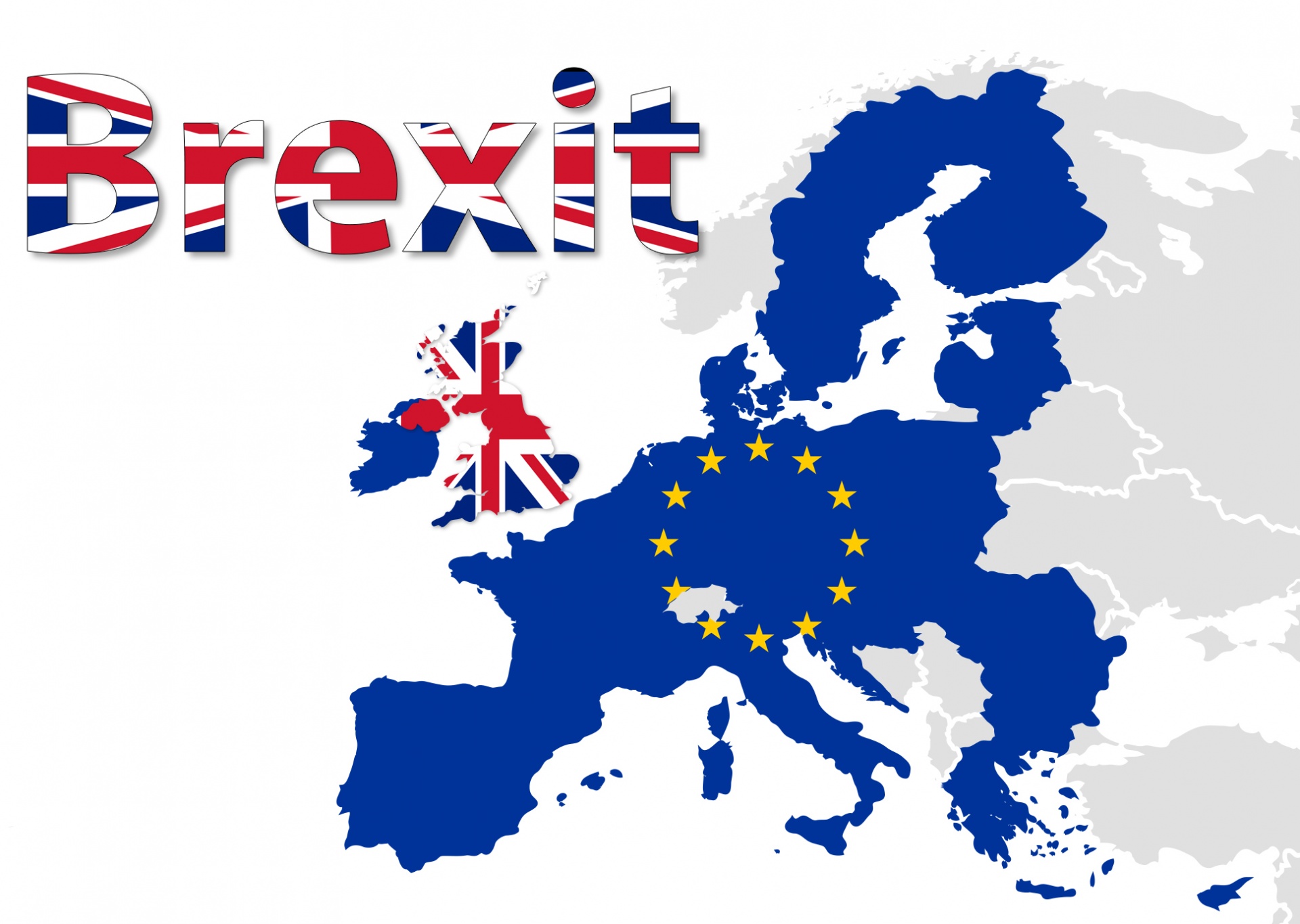
In the run-up to the UK’s referendum on EU membership in June 2016, extravagant claims were made by both the Remain and Leave campaigns. Leaving the EU, the so-called Remainers warned, would propel the UK into recession and mass unemployment. Brexiteers, as they were dubbed, countered with promises of enhanced sovereignty, tighter borders, and liberation from Brussels’s stifling bureaucracy. The latter won the Brexit vote (as it came to be known) by 52% to 48%. But just over a decade on from that historic decision — and six and a half years since the UK officially left the bloc — it’s less clear whether they also won the argument.
This is in large part because of geopolitical turmoil since the vote. Throughout the last decade, there has been a global pandemic, Russia has launched a full-scale invasion of Ukraine (which, in turn, caused an energy crisis across Europe), and Donald Trump has waged a series of tariff wars across the world. The difficulty of disentangling the effects of these events on the UK economy from those caused by Brexit is formidable. One analyst has even said that “we will never know precisely what the impacts of Brexit were”.
Overall, however, the sweeping transformations predicted by both Brexiteers and Remainers — positive in the former case, negative in the latter — have not occurred. The actual changes have been less dramatic, more gradual, and more mixed than either side forecast. One also has to factor in the UK’s lack of a stable leadership since the vote: when Labor’s Andy Burnham took over from Keir Starmer on July 20, he became the UK’s 7th prime minister in 10 years. This, perhaps, has so far prevented the theoretical autonomy now possessed by the UK from being fully realized. According to a poll conducted in June, 57% of Britons now believe that it was a mistake to leave the EU — meaning there are a lot of dissatisfied Brexiteers out there.
Remainers forecast economic ruin for the UK if it chose to leave the EU. According to the then-Chancellor of the Exchequer George Osborne, “A vote to leave would represent an immediate and profound shock to our economy [and] that shock would push our economy into a recession”. A recession failed to materialize, although the pound suffered its biggest-ever one-day drop on June 24, 2016, the day after the vote, falling 10% against the dollar and 7% against the euro (it still hasn’t returned to its pre-Brexit values against either currency, although Trump’s tariff wars and the pandemic are also factors here). That said, researchers broadly agree that Britain’s economy has contracted due to Brexit. According to a 2025 paper for the US National Bureau of Economic Research, UK GDP per capita is 6–8% lower than it would have been had the UK remained in the EU. Investment is down by 12–13%, employment by 3–4%, and productivity has been reduced by about 4%, according to its authors.
Immigration was a major theme of the Leave campaign. The UK Independence Party’s widely criticized poster showed a large group of Syrian refugees at the Croatia–Slovenia border in 2015, next to a massive slogan reading “Breaking Point” — and, underneath it, in smaller letters, “The EU has failed us all”. The center-right party was playing to concerns about a surge in migration over the decade and a half preceding the referendum, triggered by EU enlargements in 2004,when ten new countries joined, and in 2007. In 2000, migration to the UK from other EU countries stood at 6,000, but by 2015 it had risen to 330,000. In 2015 and 2016 alone, more than a million migrants arrived in Britain. According to a poll conducted on the day of the referendum, 33% of Leave voters said the main reason for their decision was a belief that leaving the EU “offered the best chance for the UK to regain control over immigration and its own borders”. It seems the poster had done its job.
The composition of Britain’s migrant population has changed radically since Brexit, with an increase in non-EU migration more than compensating for the reduction in arrivals from the EU. But immigration has not decreased. In fact, the UK has witnessed record levels of immigration over the last decade. In the year ending March 2023, just over three years after Britain’s withdrawal from the bloc, net migration peaked at 944,000.


