Tasting History with Max Miller
Published 2 Nov 2021Thank you to my Patreon Patrons – https://www.patreon.com/tastinghistory
Merch ► crowdmade.com/collections/tastinghistory
Instagram ► https://www.instagram.com/tastinghist…
Twitter ► https://twitter.com/TastingHistory1
Tiktok ► TastingHistory
Reddit ► r/TastingHistory
Discord ► https://discord.gg/d7nbEpySend mail to:
Tasting History
PO Box 766
Burbank, CA 91503LINKS TO INGREDIENTS & EQUIPMENT**
Sony Alpha 7C Camera: https://amzn.to/2MQbNTK
Sigma 24-70mm f/2.8 Lens: https://amzn.to/35tjyoW
Medium Oatmeal: https://amzn.to/2ZAcpTE
Cake Flour: https://amzn.to/3brKkkl
Black Treacle: https://amzn.to/2XZdW5x
Golden Syrup: https://amzn.to/3jPzhWRLINKS TO SOURCES**
Pot-Luck by May Byron: https://amzn.to/3ExpRHs
Parkin by Anne Fencott: https://www.fencott.com/FencottBooks/…**Some of the links and other products that appear on this video are from companies which Tasting History will earn an affiliate commission or referral bonus. Each purchase made from these links will help to support this channel with no additional cost to you. The content in this video is accurate as of the posting date. Some of the offers mentioned may no longer be available.
Subtitles: Jose Mendoza
PHOTO CREDITS
Lewes Guy Fawkes Night: Peter Trimming
Andy Beecroft / Filey Brigg at low tide#tastinghistory #GuyFawkes #Bonfirenight
November 3, 2021
1915 Yorkshire Parkin for Bonfire Night
October 31, 2021
Soul Cakes & Trick-or-Treating
Tasting History with Max Miller
Published 30 Oct 2020Help Support the Channel with Patreon: https://www.patreon.com/tastinghistory
Follow Tasting History here:
Instagram: https://www.instagram.com/tastinghist…
Twitter: https://twitter.com/TastingHistory1
Reddit: r/TastingHistoryLINKS TO INGREDIENTS & EQUIPMENT**
Canon EOS M50 Camera: https://amzn.to/3amjvwu
Canon EF 50mm Lens: https://amzn.to/3iCrkB8
Currants: https://amzn.to/2T3qItA
Nutmeg: https://amzn.to/2IGDlcb
Clove: https://amzn.to/3dyNWRP
Mace: https://amzn.to/31j625h
Saffron: https://amzn.to/3560pbP
KitchenAid Stand Mixer: https://amzn.to/37hsboALINKS TO SOURCES**
The Customs and Traditions of Wales by Trefor Owen: https://amzn.to/37gi6bt
The Book of Hallowe’en by Ruth Eda Kelley: https://amzn.to/3dDb41i
Trick or Treat: A History of Halloween by Lisa Morton: https://amzn.to/348t0xQ**Amazon offers a small commission on products sold through their affiliate links, so each purchase made from this link, whether this product or another, will help to support this channel with no additional cost to you.
Editor: WarwicSN – https://www.youtube.com/WarwicSN
SOUL CAKES
ORIGINAL 16TH CENTURY RECIPE (From Elinor Fettiplace’s Receipt Book)
To make Cakes
Take flower & sugar & nutmeg & cloves & mace & sweet butter & sack & a little ale barm, beat your spice & put in your butter & your sack, cold, then work it well all together & make it in little cakes & so bake them, if you will you may put in some saffron into them or fruit.MODERN RECIPE
INGREDIENTS
– ½ Cup Lukewarm Ale (Below 100°F/38°C)
– 1 Teaspoon Yeast
– 3 Cups (360g) Flour
– ½ Cup (100g) Sugar
– 4 Tablespoons Butter Softened
– ½ Teaspoon Salt (if you’re using unsalted butter)
– ¼ Teaspoon Nutmeg
– ¼ Teaspoon Clove
– ¼ Teaspoon Mace
– ⅓ Cup Sack or Sherry
– 1/4 Teaspoon Saffron Threads (optional)
– 3/4 Cup Dried Fruit, plus more for decoration. (Optional)
– 1 Egg for Egg Wash (Optional)METHOD
1. Create an “ale barm” by mixing the yeast with the lukewarm ale and letting sit for 10 minutes. If you are using saffron, mix that into the sherry and let steep.
2. In a large bowl, mix the flour, sugar, salt, nutmeg, clove, and mace together. Add the yeasted ale and work it in. Then work in the softened butter and the sack with saffron along with any fruit you are using. Mix until everything the dough comes together, then knead for 5 – 12 minutes. The longer you knead, the more bread-like the cakes will be, but the more they will rise.
3. Allow dough to rise for 1 hour (it will likely not double in size), then punch the dough down and form into small cakes. Cover and allow the cakes to rise for another 20 minutes while you preheat the oven to 400°F/200°C.
4. When the cakes have puffed up, add the optional egg wash and/or additional fruit, or form a cross on the top of each cake using the back of a knife (do not cut the cross in). Then back fro 20 minutes. When baked, allow to cool before serving.#tastinghistory #halloween #soulcakes
October 23, 2021
QotD: Patum Peperium, the Gentleman’s Relish
… a word of warning, Gentleman’s Relish is an acquired taste. One look at the sludgy paste is enough to deter many. And then there is its pungent smell. Brave men have been known to blanch at it. Yet, once these initial reservations are overcome, you will discover a delicate paste that rivals Marmite in its deliciousness.
Opinions differ as to how and when you should eat Gentleman’s Relish. According to the Ritz, breakfast is the time to enjoy its piquant flavour, preferably on thinly sliced, brown toast. I prefer to eat it for tea, on white toast with a little mustard and cress. Mrs Beeton suggests that anchovy paste is usually spread on toast as “an excellent bonne bouche which enables gentlemen at wine-parties to enjoy their port with redoubled gusto”.
It was originally created in 1828 by John Osborn, an English provision merchant in Paris. Like any good marketing man, he created a grandiose name from a fictitious fudge of Latin and Greek implying pepper paste, to tempt his fashion-conscious customers into buying it. It only became known as Gentleman’s Relish once his son brought the business to London. According to Elsenham, its current manufacturer, it is still made according to the original recipe. It imports the finest Spanish anchovy fillets, which have been packed in barrels of salt and left to mature for 18 months. Once suitably fruity, they are rinsed in brine and gently cooked before being cooled and blended with butter and rusk. A secret blend of spices and herbs is then added.
Sybil Kapoor, “Spreading the word”, The Guardian, 2001-02-18.
October 13, 2021
500 Year Old Apple & Cheese Pie
Tasting History with Max Miller
Published 12 Oct 2021Use my exclusive link here https://cen.yt/TradeTastingHistory4 to get your first bag from Trade Coffee for free.
Support the Channel with Patreon ► https://www.patreon.com/tastinghistory
Merch ► crowdmade.com/collections/tastinghistory
Instagram ► https://www.instagram.com/tastinghist…
Twitter ► https://twitter.com/TastingHistory1
Tiktok ► TastingHistory
Reddit ► r/TastingHistory
Discord ► https://discord.gg/d7nbEpy
Amazon Wish List ► https://amzn.to/3i0mwGtSend mail to:
Tasting History
PO Box 766
Burbank, CA 91503LINKS TO INGREDIENTS & EQUIPMENT**
Sony Alpha 7C Camera: https://amzn.to/2MQbNTK
Sigma 24-70mm f/2.8 Lens: https://amzn.to/35tjyoW
Emile Henry Pie Dish: https://amzn.to/3i5go19LINKS TO SOURCES**
Apple – A Global History by Erika Janik: https://amzn.to/3COmCui
Diary of Samuel Sewall: https://amzn.to/3AKDj9j
The Life and Repentance of Samuel Sewall by Eve LaPlante: https://amzn.to/3EUBUiU
Das Kochbuch der Sabina Welserin: http://www.daviddfriedman.com/Medieva…**Some of the links and other products that appear on this video are from companies which Tasting History will earn an affiliate commission or referral bonus. Each purchase made from these links will help to support this channel with no additional cost to you. The content in this video is accurate as of the posting date. Some of the offers mentioned may no longer be available.
Subtitles: Jose Mendoza | IG @worldagainstjose
PHOTOS
Tarte tatin: Loslazos, CC BY-SA 4.0 https://creativecommons.org/licenses/…, via Wikimedia Commons#tastinghistory #applepie
October 12, 2021
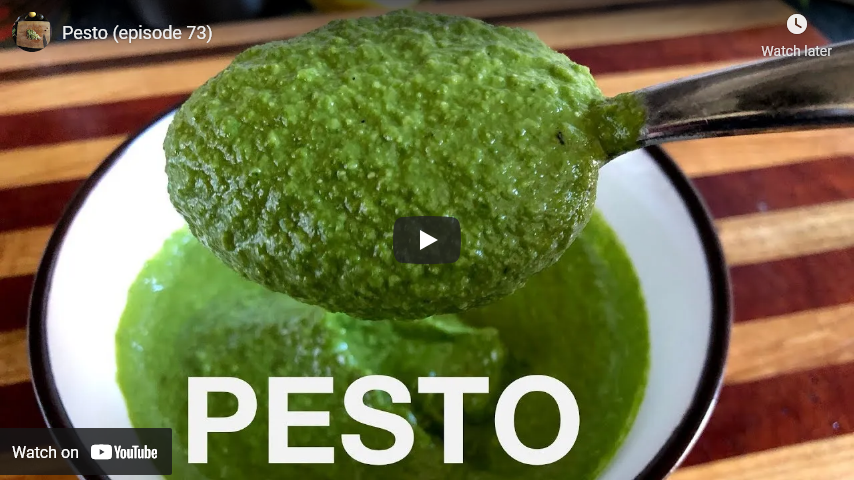
Pesto — You Suck At Cooking, episode 73
You Suck At Cooking
Published 28 Mar 2018The YSAC Cook Book is now available: http://hyperurl.co/yousuckatcooking
Pesto. It’s the besto.
http://instagram.com/yousuckatcooking
https://twitter.com/yousuckatcookin
Snapchat: @yousuckatcookin2 cups basil
Half cup olive oil
half cup parmesan
couple spoonfuls of pine nuts (you can use walnuts if you want)
a clove or two or garlic
a squeeze of lemon
you can salt it a bit more if the parmesan hasn’t done the trick
October 9, 2021
The London Gin Craze and Beyond
Tasting History with Max Miller
Published 26 Jan 2021Help Support the Channel with Patreon: https://www.patreon.com/tastinghistory
Tasting History Merchandise: crowdmade.com/collections/tastinghistoryFollow Tasting History here:
Instagram: https://www.instagram.com/tastinghist…
Twitter: https://twitter.com/TastingHistory1
Tiktok: TastingHistory
Reddit: r/TastingHistory
Discord: https://discord.gg/d7nbEpy
Ketchup with Max: https://www.youtube.com/channel/UC1DL3SXDAdrQs2WE4AMD4SwLINKS TO SOURCES**
Gin: The Much-lamented Death of Madam Geneva by Patrick Dillon: https://amzn.to/39VxZU7
Gin: A Global History by Lesley Solmonson: https://amzn.to/3c8sJzc
The Diary of Samuel Pepys: https://amzn.to/391W64u
The Fable of Bees by Bernard Mandeville: https://amzn.to/3c13Eq8
Sketches by Boz by Charles Dickens: https://amzn.to/3sTMUar**Amazon offers a small commission on products sold through their affiliate links, so each purchase made from this link, whether this product or another, will help to support this channel with no additional cost to you.
Subtitles: Jose Mendoza
MUSIC
“Divertissement” by Kevin MacLeod is licensed under a Creative Commons Attribution 4.0 license. https://creativecommons.org/licenses/…
Source: http://incompetech.com/music/royalty-…
Artist: http://incompetech.com/#tastinghistory #gin #cocktail #gincraze
September 26, 2021
I finally made GARUM | Ancient Rome’s favorite condiment
Tasting History with Max Miller
Published 9 Jun 2020In nearly every recipe we have from Ancient Rome, a key ingredient is Garum or Liquamen; fermented fish sauce. While it usually takes two months to make, I use an ancient recipe for same day garum which gave me plenty of time to look at the history of Ancient Rome’s favorite condiment.
Help Support the Channel with Patreon: https://www.patreon.com/tastinghistory
Follow Tasting History with Max Miller here:
Instagram: https://www.instagram.com/tastinghist…
Twitter: https://twitter.com/TastingHistory1LINK TO COLATURA DI ALICI: https://amzn.to/30o2Dmg
LINKS TO SOURCES**
The Roman Cookery Book by Elizabeth Rosenbaum: https://amzn.to/2zg73QVTasting Rome by Katie Parla and Kristina Gill: https://amzn.to/2Affi01
Ferment by Holly Davis: https://amzn.to/37bDtIK
https://coquinaria.nl/en/roman-fish-s…
The rise and reorganization of the Pompeian salted fish industry – Steven Ellis: https://www.academia.edu/678386/The_r…
**Amazon offers a small commission on products sold through their affiliate links, so each purchase made from this link, whether this product or another, will help to support this channel with no additional cost to you.
LINK TO Making A Cure for the Black Plague | Galen and the Four Humors: https://www.youtube.com/watch?v=jtCKA…
GARUM
ORIGINAL RECIPE From The Geoponica
If you wish to use the garum at once — i.e. not expose it to the sun, but boil it — make it in the following manner: Take brine and test its strength by throwing an egg into it to see if it floats; if it sinks it does not contain enough salt. Put the fish into the brine in a new earthenware pot, add oregano, put it on a good fire until it boils — i.e., until it begins to reduce. Some people also add defrutum. Let it cool and strain it two or three times, until the liquid is clear. Seal and store it away.MODERN RECIPE
INGREDIENTS (Amounts are approximate)
– 2 Quarts (1900ml) Water
– 1lb (450g) Sea Salt
– 2 Teaspoons Dried Oregano
– Defrutum or Honey
– 2lbs (900g) Whole Fish (oily)METHOD
1. Add salt to the water and stir to dissolve. You may not need the full amount, so start with about 3/4s. Place an egg in the water and if the egg floats, stop adding salt.
2. Add the whole fish and the oregano (and defrutum if you are using any) to the water and place over medium-high heat and boil for 30 – 40 minutes. Every ten minutes, mash with a spoon to break up the fish.
3. Once the water has reduced to about half the amount, remove the pot from the heat and allow to cool.
4. First, pass through a colander and then strain through a kitchen cloth or paper towel until the garum is free of particles. Then bottle in a sterile bottle and refrigerate.Music Credit
“Gigue” From 3rd Cello Suite
Exzel Music Publishing (freemusicpublicdomain.com)
Licensed under Creative Commons: By Attribution 3.0
http://creativecommons.org/licenses/b…Photo Credits
chef PNG Designed By CHENXIN from https://pngtree.com/
Garum Mosaic – Claus Ableiter / CC BY-SA (https://creativecommons.org/licenses/…)
Adana Mosaic – Dosseman / CC BY-SA (https://creativecommons.org/licenses/…)
Galen – Wellcome Collection / CC BY (https://creativecommons.org/licenses/…)
Snails Mosaic – Carole Raddato from FRANKFURT, Germany / CC BY-SA (https://creativecommons.org/licenses/…)
Seneca & Nero – By Eduardo Barrón – Own work, CC BY-SA 3.0, https://commons.wikimedia.org/w/index…#tastinghistory #garum #ancientrome #foodhistory
January 8, 2021
QotD: Culinary appropriation
Cultural appropriation is good. When ideas from different cultures are imperfectly absorbed, new ideas ensue. Exchange promotes change. I detest empires, but, in deference to truth, praise them as culturally creative arenas in which new ways of life, thought, art, language, worship, work, government and food take shape, as people swap and circulate biota, behaviour and brilliance.
Some of the resulting dishes are deplorable. I could live happily in a world without chop suey, chilli con carne, or coronation chicken. I’m not going to try a recipe described in Eater magazine as “huevos Kathmandu that paired green chutney and spiced chickpeas with fried eggs”.
Tex-mex cuisine is Montezuma’s most effective revenge. Rijstafel conquered the Netherlands more thoroughly than the Dutch ever subjected the East, and now rivals the drearier Hutspot as Holland’s national dish. Yet Dutch food still lags behind grandes cuisines.
Vindaloo is the epitome of culinary appropriation: a Bengali dish with ingredients from the Americas — potatoes and chillies — and a corruption of a Portuguese name: vinho d’alho, or garlic wine. It has become so British that “Vindaloo nah-nah” was the chorus of a chant popular among English football fans at a World Cup tournament (perhaps they confused it with Waterloo). I still dislike it.
Usually, however, culturally exchanged foods produce admirable dishes. Chocolate, tomato and avocado are among the few English words derived from Nahuatl. The Aztecs never used the items they designate in pain au chocolat, or tricolore, or avocado toast. But the responsible cultural appropriators deserve praise, not blame.
Satay would be unthinkable if Malays hadn’t incorporated peanuts that Portuguese pinched from Brazil. The basics of cajun cuisine reached Louisiana with “Acadian” migrants from French Canada — but cultural appropriation made it what it is today. Black chefs in the same region would be at a loss without African-born yams.
Curries would be historical curiosities if Indians hadn’t appropriated chillies from Mexico. Is Sichuanese cuisine imaginable without American peppers or sweet potatoes. Tempura would be unavailable if Japanese chefs hadn’t annexed and improved Portuguese techniques of frying. Culinary historians bicker over whether Jewish or Italian immigrants developed fish and chips. But almost everyone agrees that the British could never have done it on their own.
Felipe Fernández-Armesto, “Bad taste of PC foodies”, The Critic, 2020-09-19.
October 11, 2020
“Doctrinaire cuisine is dangerous”
Felipe Fernández-Armesto is not a fan of printed recipes, for they quash the creative, adventurous spirit he feels is required for proper cooking:

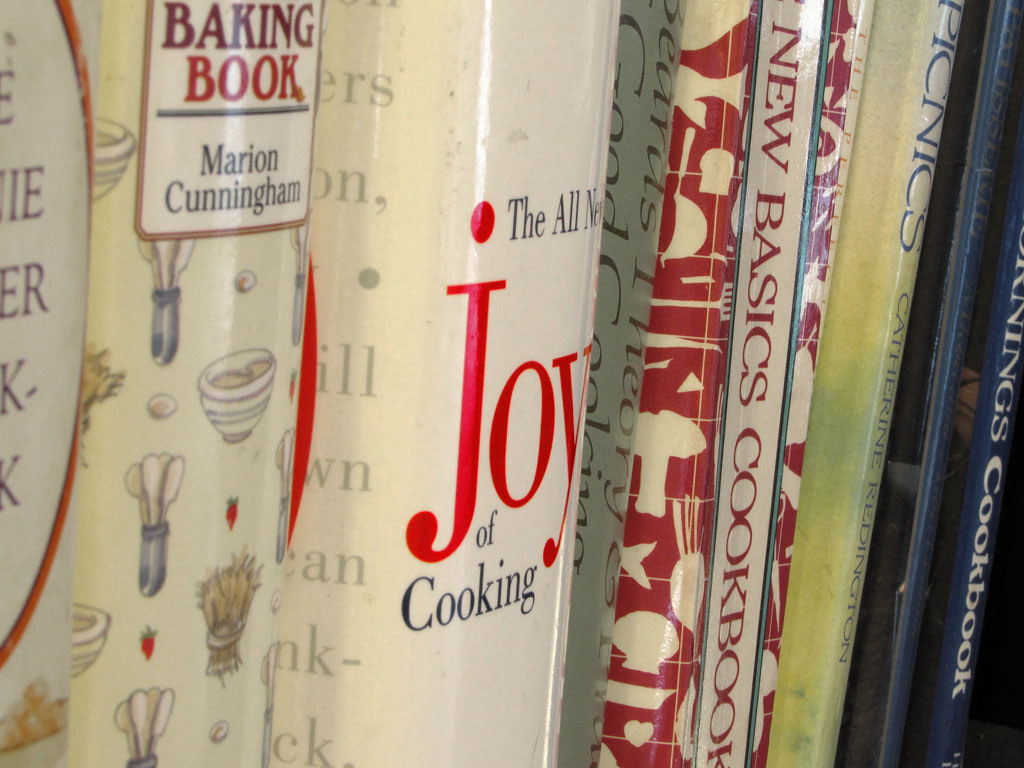
“The Joy of Cookbooks” by shoutabyss is licensed under CC BY 2.0
I believe in freedom and one of the reasons for my hatred of recipes is their peremptory, commanding tone, as if the writer knew the only way to fashion the dish. Variants from the inflexibly regimented columns of most cookbooks are made to seem like heresies.
Recipes are typically officious and pettifogging, treating readers as idiots, who don’t know how to suit their own taste or adjust traditions.
Many read like nursery-school arithmetic: add x amount of flour and y of milk to z of butter to produce a predictable outcome. Creativity and adventure get no badge. By specifying quantities, the teacher robs cooking of its status as art and turns it into drearily certified schoolkid-science.
Doctrinaire cuisine is dangerous. Friendships founder and marriages crash over differences about whether — for instance — to put onions in Spanish omelette or chillies in curry, or disputes over whether eggs are better scrambled in a deep or shallow dish. I’m happy to leave chacun à son goût in almost everything.
If you want to marmalade your kippers or make mayonnaise with sunflower oil, I’ll despise your mind and denounce your taste, but I’ll defend your right, as thoroughly as if you wanted to vote Republican or learn line-dancing. I’ll tolerate tinned tomatoes in ratatouille, as long as I don’t have to eat it, or rose veal in Wiener schnitzel, or even honey instead of molasses in baked beans.
But there are some abominations that are destructive of happiness, because they deprive eaters of opportunities of enjoyment, or turn wonderful ingredients to waste. Most of them occur in recipes exposed to the internet, where nannies write for nincompoops.
July 27, 2020
Food in Ancient Rome – Garum, Puls, Bread, and Moretum
SandRhoman History
Published 7 Jul 2019Food in ancient Rome – the cuisine of ancient Rome is probably not everybody’s cup of tea. Food in ancient Rome was consumed at the mensa, the dining table of the ancient Romans. A usual ancient Roman meal for the upper classes could look like this: puls, one of the main ancient Roman meals. This was essentially a form of porridge, along with that they might have eaten bread, refined with olives and figs. Bread was often eaten with moretum, a spread, made of sheep cheese, a lot of garlic and herbs. Most Roman meals would have been spiced with garum, a fermented fish sauce, to go along with such a meal, the Romans drank water or wine. Beer, called cervisia, in contrast would have been considered barbaric. The wine was usually diluted with water and sometimes spiced with herbs and vinegar. Water with vinegar was called posca, another variant was mulsum, wine spiced with honey.
Ancient Roman food had even more variety, but for now we just made the recipes below. We might make some more ancient Roman food in the future though.
Ancient Roman recipes:
First off: Put garum into everything. That’s actually what the Romans used, usually instead of salt and/or other condiments. [Consider it the ketchup of the ancient world.]
Garum recipe
– 1000 g small fish (sardines, anchovies or similar, fresh or frozen but uncooked)
– 500 g sea salt
– 2 1∕2 tbsp. dried oregano
– 1 tbsp. dried mint
– 1,5 litres water
– 5 tbsp. honey
Put everything in a pot and cook it until the fish falls apart (ca. 15 minutes). Pestle it with a spoon or similar and reduce this broth for at least 20 minutes. Then strain it, let it cool and strain it again. Additionally, you can pour it through a filter cone to refine the garum even further. Keep the garum in the fridge and throw it away if it gets dreggy.Moretum recipe
– 300 g of ricotta
– 100 g pecorino (or similar hard sheep cheese)
– 3 tbsp. white wine vinegar
– 3 tbsp. sea salt
– 3 cloves of garlic
– a bunch of thyme
– a bunch of rosemary
– a bunch of estragon [tarragon]
– a bunch of coriander
– garum
Press the garlic, grind the pecorino and stir all the ingredients until you get a consistent mass. Done!
Pro tip: You might want to be careful with the amount of salt and especially garlic you add. Three cloves make it very intense.Puls recipe
– 500 g rolled oats
– 1.5 litres of water
– 1 tbsp. olive oil
– 100 g pecorino (or similar hard sheep cheese)
– 1 onion
– 2 carrots
– 150 g mushrooms
– 100 g streaked pork
– garum
Chop all the vegetables and cut the pork into strips. Then roast it gently in a bit of olive oil and put it aside. Cook the rolled oats with some water and add continuously as it disperses until you get a porridge-like consistency. Then add the prepared vegetables and meat and fold in the ground pecorino.
If you want to stay somewhat authentic to the Roman recipe use white, violet or yellow carrots: orange ones weren’t known in the occident until the Middle Ages.Panis militaris castrensis (Roman bread) recipe
Ingredients for one loaf (4 – 6P):
– 500 g spelt flour (whole grain)
– ½ tsp. of salt
– olives
– figs
– 3 tbsp. olive oil
– 1 tsp. honey
– 3 dl water (hand-hot)
– 15 g yeast (or one package of dry yeast)Mix everything up and knead it for at least 15 minutes. Then let it rise for an hour in a bowl covered with a towel (preferably in a warm spot). Form a loaf, cut six pieces (halfway through) and bake it for 35 minutes at 180°C.
Pro tip: take big olives and lots of them because the whole grain flour will be so dense that they kind of disappear.
Those recipes are taken from a cookbook which has been written about 2,000 years ago. Taking this into account you should be rather careful applying these cooking techniques. We are not to be held responsible for any damage resulting, neither for smelly apartments, nor for health issues.
#food #ancientrome #history #ancienthistory #rome
Twitter: https://twitter.com/Sandrhoman

July 7, 2020
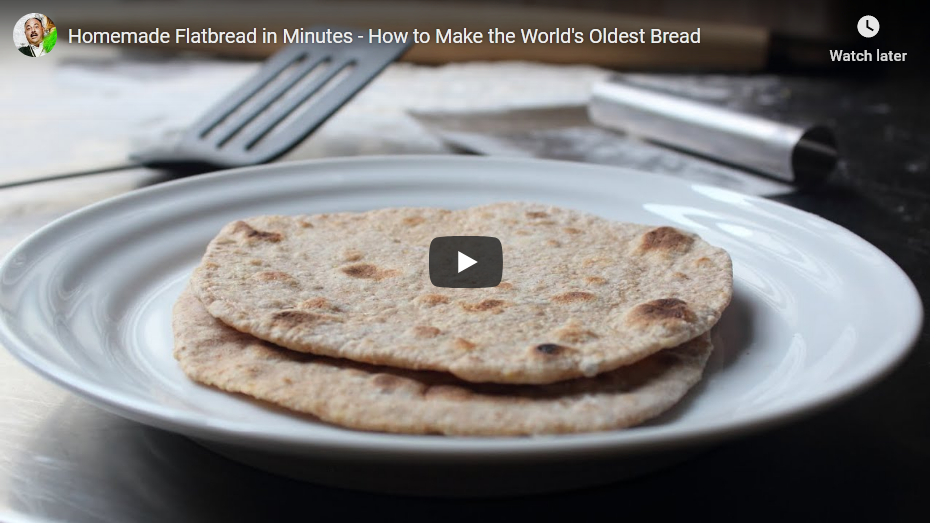
Homemade Flatbread in Minutes – How to Make the World’s Oldest Bread
Food Wishes
Published 17 Nov 2014Learn how to make Homemade Flatbread in minutes! Visit http://foodwishes.blogspot.com/2014/1… for the ingredients, more information, and many, many more video recipes. I hope you enjoy this easy, homemade flatbread technique!
June 1, 2020
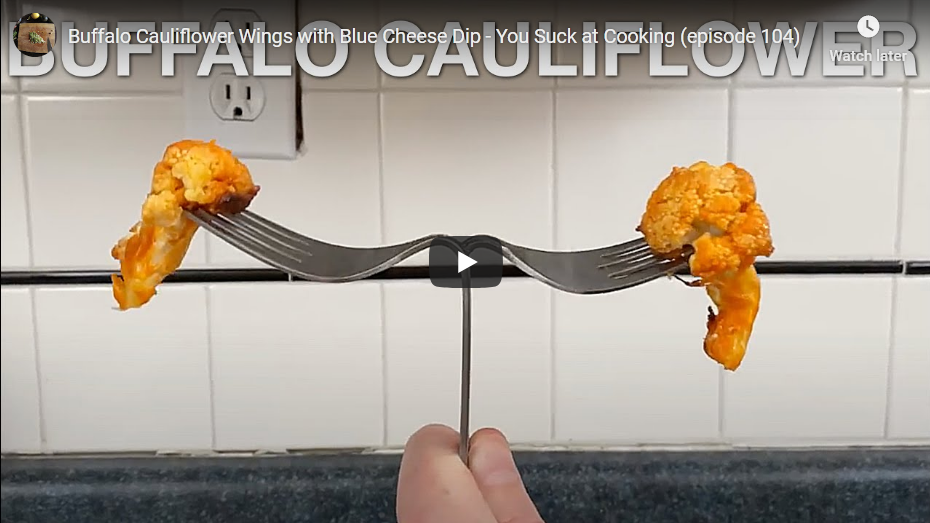
Buffalo Cauliflower Wings with Blue Cheese Dip – You Suck at Cooking
You Suck At Cooking
Published 5 Feb 2020Buffalo Cauliflower, also known as Buffalo Cauliflower Wings, is based on Buffalo Wings, which are Chicken Wings in Hot Sauce. Who knew that combining food with hot sauce would taste good? Nobody did.
YSAC Book and merch: http://yousuckatcooking.com
http://instagram.com/yousuckatcooking
https://twitter.com/yousuckatcookinRECIPE
• To make this Buffalo Cauliflower, you can start with a small or medium sized cauliflower.
Rip it apart while making loud grunting sounds.
• Combine two tablespoons of olive oil, 1 tablespoon of water, 2 teaspoons of garlic powder, and some salt in a bowl and wangjangle it until there’s no need for further wangjangling because you did a good job.
• Combine the pre-buffalish elixir to the cauliflower in a bigger bowl and gallop around the house. Alternatively, you could have made the elixir in that big bowl to begin with. Now you’re thinking
Throw that cauliflower onto a parchment papered pan and bake it at 450 for 15 minutes.
• Meanwhile, make the Buffalo sauce: two tablespoons of melted butter and ½ cup of pepper sauce.
• Take that cauliflower out of the oven (unless you have an Automated Oven Sauce Dispenser), and put that sauce on the cauliflower in one way or another. You can brush it, spoon it, slather it, or whatever you want.
• Bake it for another 8 minutes or until it’s the texture you like. A bit less for more of the natural cauliflower crunch, a bit more to make it soggier. The choice is yours, even if you make a bad one.
August 22, 2019
No Wheat? Rice Bread – Gluten Free Recipe
Townsends
Published on 18 Jun 2018Today’s featured cookbook ➧ https://amzn.to/2MCOF6A ➧➧
Visit Our Website! ➧ http://www.townsends.us/ ➧➧
Help support the channel with Patreon ➧ https://www.patreon.com/townsend ➧➧
August 19, 2019
Cooking With Carrow – Episode 02
Zombie Orpheus Entertainment
Published on 11 Jul 2019“Conjure Milk Raspberry Scones” with Brian Lewis and Christian Doyle, from the recipe by The Gluttonous Geek.
August 13, 2019
How to Make Really Good Garlic Bread
America’s Test Kitchen
Published on 3 Mar 2019Keith shows Bridget how to make the absolute best garlic bread.
Get the recipe for Really Good Garlic Bread: http://cooks.io/2I9Anbx
Buy Our Winning Rasp-Style Grater: https://cooks.io/2VrLqlUABOUT US: Located in Boston’s Seaport District in the historic Innovation and Design Building, America’s Test Kitchen features 15,000 square feet of kitchen space including multiple photography and video studios. It is the home of Cook’s Illustrated magazine and Cook’s Country magazine and is the workday destination for more than 60 test cooks, editors, and cookware specialists. Our mission is to test recipes over and over again until we understand how and why they work and until we arrive at the best version.
If you like us, follow us:
http://americastestkitchen.com