“Ben the Layabout” posted a note over at Founding Questions linking to a Telegraph article [archive.ph link] that seems to indicate the British government is demanding that online services both enforce the letter of the law and the spirit … whatever that might mean at any given moment in time:
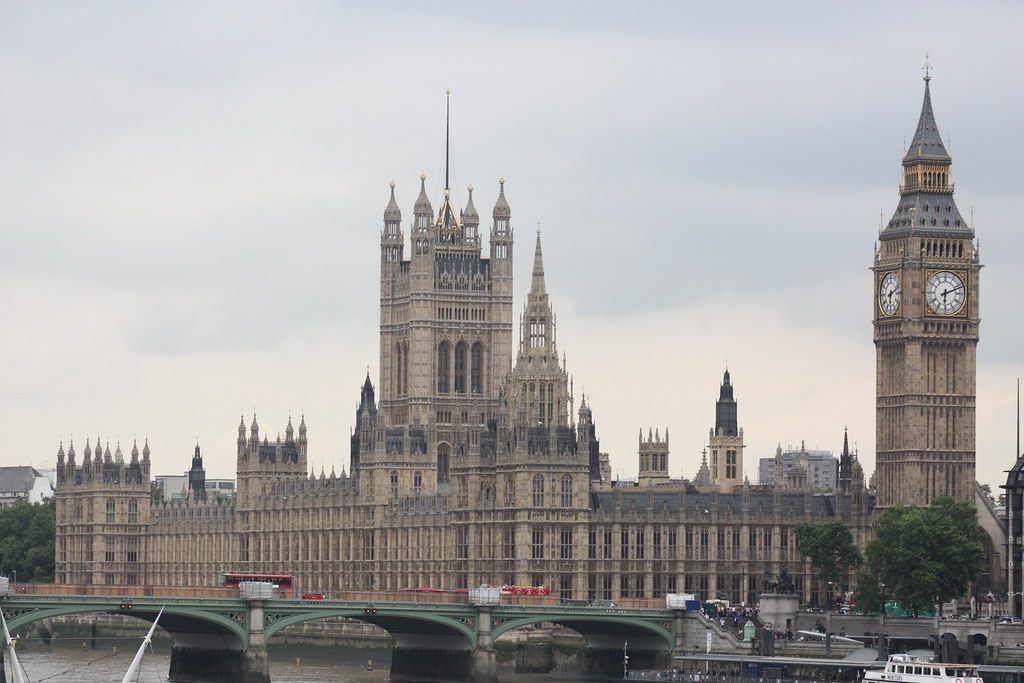
“Palace of Westminster”by michaelhenley is licensed under CC BY-NC-SA 2.0


Social media giants face huge fines for curbing free speech by “overzealous” enforcement of online safety laws.
Ministers have told platforms including Facebook, X, Instagram and TikTok they must not restrict access to posts that express lawfully held views.
The warning, in an apparent change of tone from ministers, comes amid a backlash over websites blocking users from viewing material, including parliamentary debates about grooming gangs.
Campaigners have said that free speech is threatened by the Government’s application of the Online Safety Act, which is meant to protect children from harmful content.
JD Vance, the US vice-president, used a visit to the UK this week to warn ministers against going down the “dark path” of censorship.
Whitehall sources have expressed concern that social media firms, some of which have criticised the law, “have been overzealous” in enforcing it and must be “mindful” of the right to freedom of expression.
The Science Department, which oversees the legislation, told companies they could face fines if they failed to uphold free speech rules.
A spokesman said:
As well as legal duties to keep children safe, the very same law places clear and unequivocal duties on platforms to protect freedom of expression.
Failure to meet either obligation can lead to severe penalties, including fines of up to 10 per cent of global revenue or £18m, whichever is greater.
The Act is not designed to censor political debate and does not require platforms to age gate any content other than those which present the most serious risks to children such as pornography or suicide and self-harm content.
Platforms have had several months to prepare for this law. It is a disservice to their users to hide behind deadlines as an excuse for failing to properly implement it.
So online sites big and small are required to obey the British law, but only as and how the British government wants it enforced or they’ll levy massive punishment. Too lax? Punishment. Too strict? Also punishment. It’s almost as if Britain wants to be cut off from the rest of the internet …