
 The Canadian Armed Forces are in a dire state. I could literally have written that in any year since I started blogging in 2004 … with brief, unsustained funding boosts for unplanned military commitments here and there that actually made the overall situation worse rather than better. Canada’s military procurement system seems incapable of doing anything quickly … or inexpensively, so pouring billions more into a broken process won’t work out well. There used to be a meme about being able to get whatever you wanted — “good, fast, cheap … pick two”. The CAF can’t even get one of those options.
We’ve had surprising numbers of media folks paying attention to the crippling recruiting crisis, as even on current funding, the CAF is short thousand and thousands of soldiers, sailors, and aircrew. Sadly, but predictably, most of that media attention looks at the shortfall of new recruits being trained for those jobs, which is true but incomplete. The biggest problem on the intake side of the CAF is the bureaucratic inability to bring in new recruits in anything remotely like a timely fashion. The last time I saw annual numbers, the CAF had huge numbers of volunteers coming in the door at recruiting centres, but getting the paperwork done and getting those volunteers into uniform and on to job training was an ongoing disaster area. More than seventy thousand would-be recruits applied to join the CAF and the system managed to process less than five thousand of those applicants and get them started on their military careers.
At a time that we’re losing highly trained technicians in all branches to overwork, underpay, and vocational burn-out, we somehow lack the competence to take in more than one in twenty applicants? That is insane.
In the National Post, Michel Maisonneuve says much the same as I just did, but rather more coherently:
I’m told the Treasury Board has already approved the new funds, making this more than just political spin. Much of the money appears to be going where it’s most needed. Pay and benefit increases for serving members should help with retention, and bonuses for re-enlistment are reportedly being considered. Recruiting and civilian staffing will also get a boost, though I question adding more to an already bloated public service. Reserves and cadet programs weren’t mentioned but they also need attention.
Equipment upgrades are just as urgent. A new procurement agency is planned, overseen by a secretary of state — hopefully with members in uniform involved. In the meantime, accelerating existing projects is a good way to ensure the money flows quickly. Restocking ammunition is a priority. Buying Canadian and diversifying suppliers makes sense. The Business Council of Canada has signalled its support for a national defence industrial strategy. That’s encouraging, but none of it will matter without follow-through.
Infrastructure is also in dire shape. Bases, housing, training facilities and armouries are in disrepair. Rebuilding these will not only help operations but also improve recruitment and retention. So will improved training, including more sea days, flying hours and field operations.
All of this looks promising on paper, but if the Department of National Defence can’t spend funds effectively, it won’t matter. Around $1 billion a year typically lapses due to missing project staff and excessive bureaucracy. As one colleague warned, “implementation (of the program) … must occur as a whole-of-government activity, with trust-based partnerships across industry and academe, or else it will fail.”
The defence budget also remains discretionary. Unlike health transfers or old age security, which are legally entrenched, defence funding can be cut at will. That creates instability for military suppliers and risks turning long-term procurement into a political football. The new funds must be protected from short-term fiscal pressure and partisan meddling.
One more concern: culture. If Canada is serious about rebuilding its military, we must move past performative diversity policies and return to a warrior ethos. That means recruiting the best men and women based on merit, instilling discipline and honour, and giving them the tools to fight and, if necessary, make the ultimate sacrifice. The military must reflect Canadian values, but it is not a place for social experimentation or reduced standards.
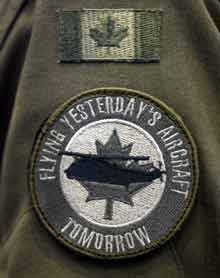
They finally did retire the Sea King, long after almost everyone else did. All CAF equipment is expected to have far longer working lives than any of our allies’ equipment.


