
John Robson calls out the extreme rhetoric employed by environmentalists and their journalist flappers to try to keep climate anxieties as high as possible, especially if there haven’t been any new alarming climate-related events to build on:
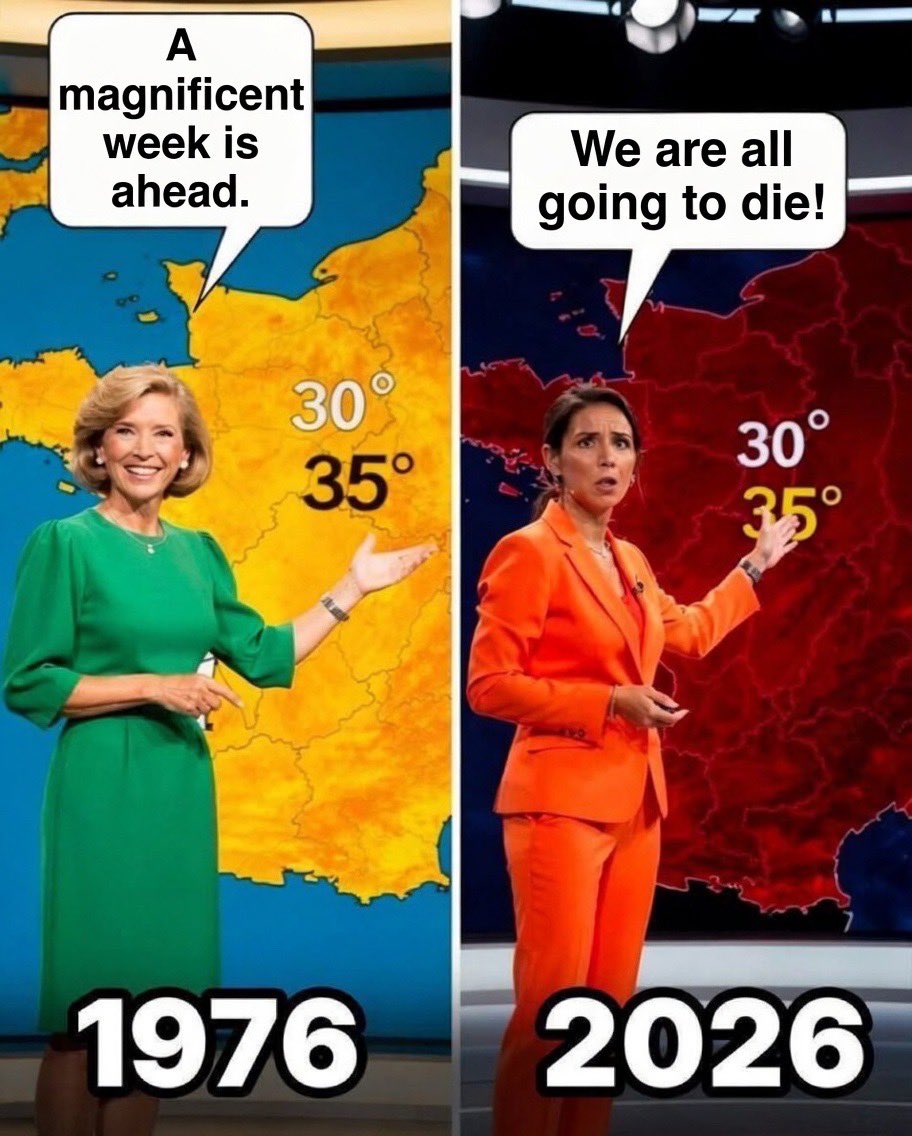
The New York Times engages in some classic yellow journalism with “Climate: Disaster Survivors Sticking Together” teasing to a column by David Gelles that starts “Extreme weather is hitting more people with each passing year”. But it’s not, even though there are more people for it to hit with each passing year as the climate crisis coincides strangely with unprecedented human material flourishing and a 99 percent drop in climate-related fatalities. We accept that there is room for intelligent and well-meaning debate about facts as well as their meaning. But the drumbeat of assertions by climate fanatics that the weather is getting worse when it’s just not crosses the line into bad-faith bellowing ignorance.
Another Times story titillates with a “CALCULATOR” of:
Is Your City Prepared for Climate Disaster? A new report ranks the world’s large cities on how well they have adapted to face climate risk.
What exactly “climate risk” is, unless they mean bad weather, is not explained. Why the Times thinks bad weather is new is also not explained. What the Times thinks of the fact that even as global population soars, the number of people killed every year by bad weather has plummeted, not the proportion but the absolute number, is apparently nothing. Instead they lead off:
When it comes to the effects of hostile climates – flood, fire and more – what matters isn’t just inherent risk, but rather the ability of a place to withstand that risk.
Well, duh. And clearly wealthier societies are far better able to withstand that risk, so even if you believe that fossil fuels make the weather a bit worse, the tradeoff is well worth making. But so is the effort to see if the weather is getting worse.
Now we don’t deny that “fire” is a hostile climate. But if it’s an “effect” of hostile climate, then the climate has always been hostile since what evidence we have says there were a lot more wildfires two and three hundred years ago than there are now. Don’t wait for them to credit CO2 with the decrease though … since they didn’t bother looking it up.
That story also blathers about how things from “early warning systems” to “governance” can “significantly mitigate the effects of climate change” although climate change is not a causal force it’s a statistical description of how the weather has altered in some place over at least 30 years. And it says Chicago is the most resilient city with “low hurricane risk” due, we point out, not to them building a big windbreak or something but it not being in the path of the hurricanes that regularly sweep through other parts of the US and have for as long as there have been observers to flee them shouting “Whoa Nelly a twister!” Moreover:
Many of the least resilient places were South Asian cities with extreme exposure to floods and monsoons to which they were poorly adapted.
And if the Times seriously thinks monsoons are a new and horrible consequence of the gasoline-powered automobile you should cancel your subscription before it puts some other nonsense in your head. Like that floods and mudslides in rural Nepal and Tibet are relevant to urban resilience.
Media outlets have always had a strong bias toward reporting bad news, “If it bleeds, it leads!” but on the climate beat, there’s never any good news to report because everything — warming, cooling, precipitation, seasonal change — has to be presented in a negative light.


