
Nicole James talks about a secretive cult of readers who — I’m afraid to even say it — read books in public, specifically to be seen reading books in public:
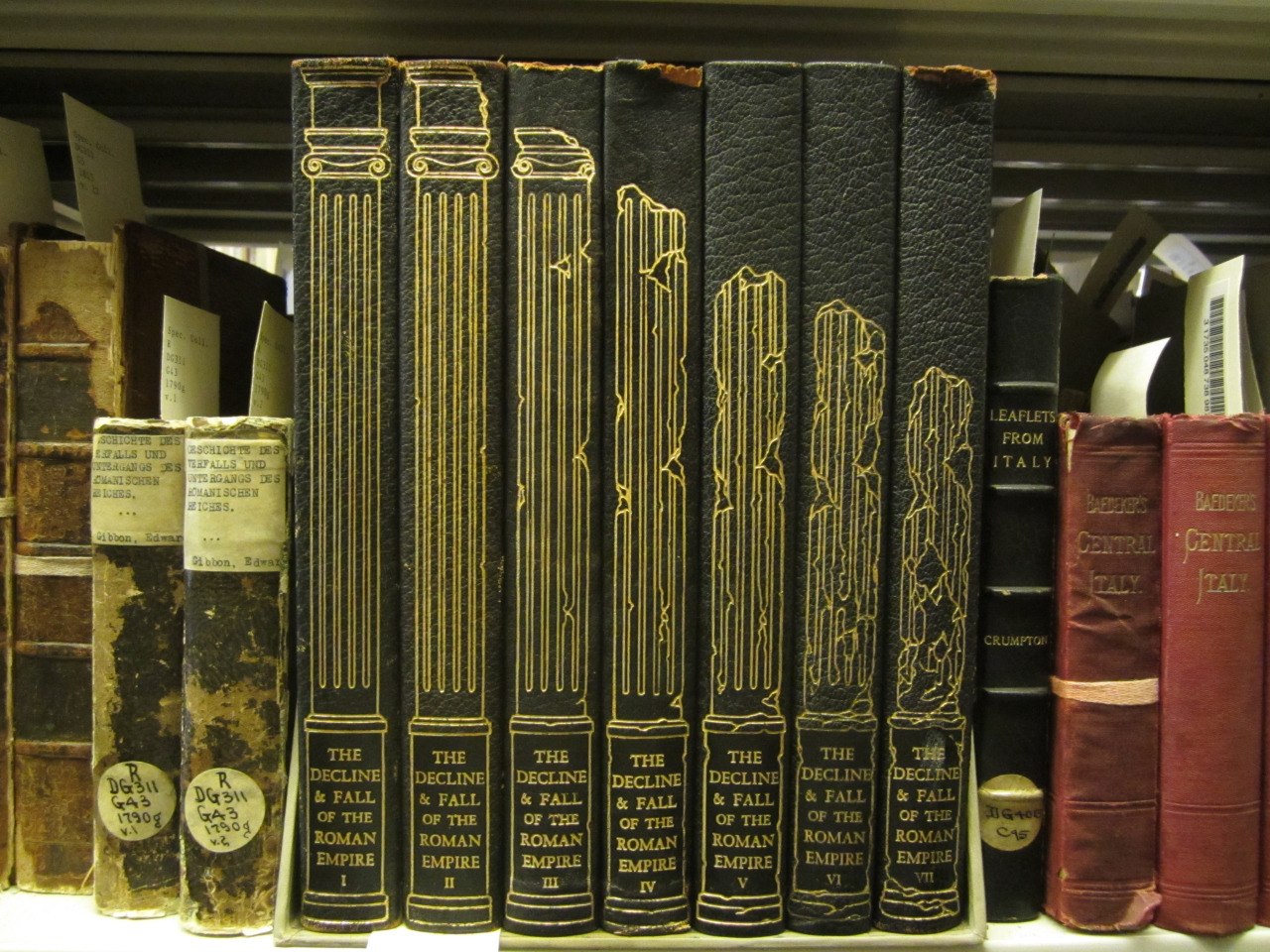
Reading has become competitive, which is impressive when you consider that it is an activity performed while sitting down and moving only the eyes. In theory, intellectually competitive reading would involve fierce debates in candlelit rooms, people slamming piles of Dostoevsky onto tables, and shouting things like, “You’ve misunderstood the moral ambiguity of suffering!” before storming out into the night to reflect meaningfully. In practice, it involves sitting in a café in Ridgewood holding a copy of the Iliad while pretending not to notice that three separate people have already noticed. And then pretending not to notice yourself noticing that they have noticed, which is where the true athleticism begins.
Because reading has slowly repositioned itself from private hobby to public personality trait. This is called performative reading, and it is less about engaging with ideas and more about being seen in the act of possibly engaging with ideas. It requires a certain book, a certain environment, and a certain facial expression. Specifically, a face suggesting that thoughts are currently underway.
The extraction of the book from the bag is an art form in itself.
It must not look like you packed it specifically for display. That would reek of planning, and planning is death to mystique. No, the book must appear to have happened to you. As though, midway through reaching for lip balm or car keys, you encountered it unexpectedly. “Oh,” your expression must suggest, “are you here too? How curious.”
The bag should be opened with a kind of languid inevitability. Do not rummage through your bag. Rummaging implies receipts. Crumpled tissues. A muesli bar from 2019. The book must be located swiftly, as if it occupies a reserved, velvet-lined chamber within your otherwise chaotic life.
You lift it out slowly. This is a text. Ideally one with a cover that signals moral seriousness or tasteful despair.
The removal must be conducted at a volume slightly above whisper. There may be a soft thud as it meets the table. A decisive, cultured thud. The kind of thud that says, “I have opinions about late-stage capitalism”.
Then, and this is critical, you do not open it immediately. That would look eager. Instead, you place it beside your coffee. The coffee must appear faintly architectural.
Only once the book is resting in full view do you adjust it by half a centimeter. A sleeve may be pushed back. A wrist revealed. The lighting should imply that you have recently contemplated something ancient and mildly troubling. Several photos are taken. One will be selected after rejecting seventeen for “looking too literate.”
The caption must be controlled. Something like:
Revisiting this.
“Revisiting” suggests that you and the book have history. You have both grown. You have both suffered.
And when it is finally time to return the book to the bag, this too must be handled with restraint. It slides back in as though it has completed a small but meaningful public service. The performance ends. The book remains unread. But visible. Which, as we all know, is the point.


