
If you’ve read any history books written before the Second World War (aside from explitly Marxist interpretations), you’ll probably recognize the worldview which, subtly or overtly, informed the stories being told (and those not mentioned). On her Substack, Mary Catelli discusses “the Whig interpretation of history”:
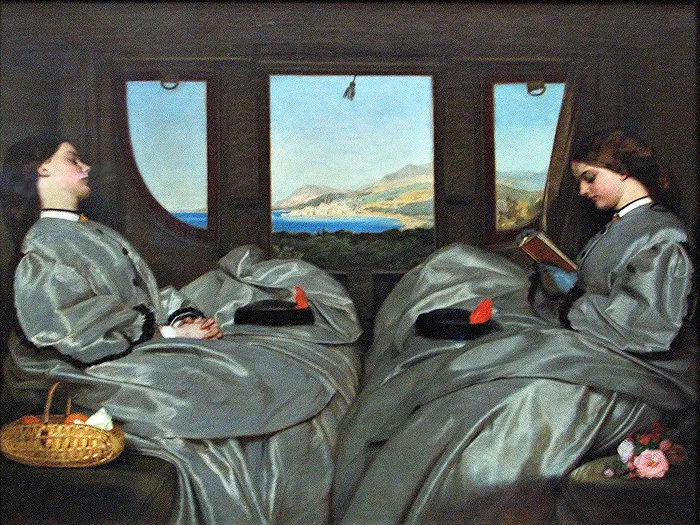
Among the many perils of viewpoint that lurk in your path when you read history, one of the nastiest is the Whig Interpretation of History, and its variants, and other teleological views.
The original interpretation, popular in British history writing of the 19th century, was that all of history had been aiming for the wonderfully wonderful wonder that was 19th century Britain. And if it was not quite so smooth as a train ride gliding over well-laid tracks, it was unnecessary to point out minor details.
The most disastrous effect, for the reader, is that the things of the past are described for their presumed effect on the progress toward that aim. They were not described for their actual effect on the era, or how they appeared to the people of that era (possibly more important for the fiction writer), which is what a reader using them for that era needs. Down to and including excluding vital details as unimportant.
(Obviously, “development of what they regard as progress” books are more or less resistant to this, though they can press some very odd things into the service of their thesis, and sandpaper off quite a bit of things they deem anomalies. It is when it colors works about something else — or nominally about something else — that the peril really arises.)
Plus of course any coloring the viewpoint gives them in regarding the people of the era as stepping stones toward the ideal future. In particular, the heroes and villains are assigned not for the moral character of their deeds but whether they sped history along the right path. Frequently enough, any openly and clearly stated motives by the historical figures will be breezed over for the “real” motives according to the historian’s agenda. Some quote the primary source and not even apparently noticing that it contradicts the agenda before writing as if the historical figures’ intentions matched the agenda.
H. G. Wells, in The Outline of History, gets all starry-eyed about any attempt, or success, at union between countries because he’s looking forward to the beneficent World State, regardless of how the union was imposed, and what its consequences were, and again looking with a jaundiced eye on any division regardless of how justified.
It would be easier if the issue were limited to the historians of that school, but, of course, anyone who regards history in light of a progress toward the wonderful present — or future — will have the same issues. World War I hit the original Whig interpretation quite hard, but the Marxist interpretation kept roaring along, and is not quite dead yet.


