The demands for reparations for historic wrongs will continue to grow, but the chances of any of the hustlers making the demands are remarkably slim, and thank goodness for that, because if the principle ever gets established we’ll be on a never-ending beggar-my-neighbour jag:
Britain’s bill for Caribbean slavery comes to £19 trillion — fifteen times the current annual budget of the UK government — according to the 2023 Brattle Report. And if the “Glasgow — City of Empire” display at the Kelvingrove Museum is anything to go by, Scotland owns a large share of that, since Glasgow was “one of the major port cities” involved in the slave-trade, whose profits played “a crucial role” in its economic development and prosperity.
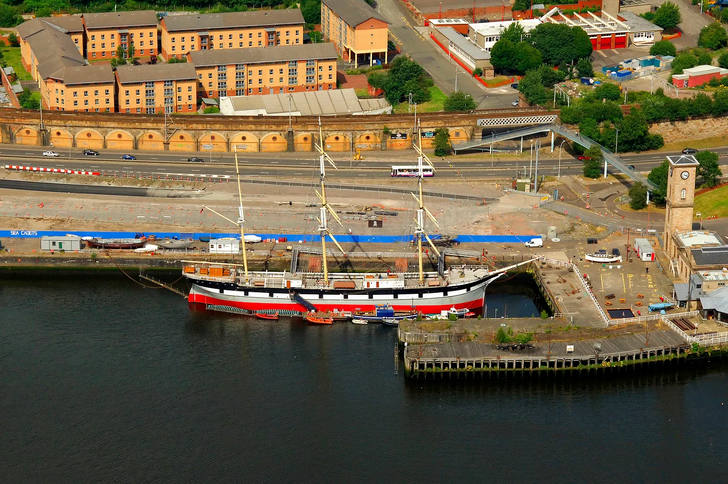
The Tall Ship in Glasgow Harbour
The debt-collectors are already knocking at the door. In March 2023, Clive Lewis, MP and shadow Foreign Secretary under Jeremy Corbyn, called for the UK government to start “meaningful negotiations” over reparations with Caribbean countries. The following autumn, Lewis’s parliamentary office became the centre of a reparations-campaign, funded by Irish billionaire Denis O’Brien. And in April this year, Sir Keir Starmer received the Prime Minister of Barbados, Mia Mottley, into No. 10. “We’ve known each other many years as good colleagues and now as leaders who think alike”, said Starmer. Mottley has stated that Britain owes Barbados £3.9 trillion and it was she who pushed for reparations onto the agenda of the Commonwealth Heads of Government summit last year.
But the case for reparations doesn’t add up. Yes, some Britons were involved in inhumane slave-trading and slavery, mainly from about 1650 to the early 1800s, when they transported over 3.2 million slaves from Africa to the Americas. Yet, while campaigners portray British involvement as uniquely dreadful. It wasn’t.
Up until the end of the 18th century AD slavery and slave-trading were universal institutions, practised since the dawn of time on every continent by peoples of every skin colour. In North America, indigenous societies in the Pacific North-West were built on slave-labour, since subsistence required the rapid processing of salmon, and the quantity of work outstripped the supply of female labour. So, raiding for slaves was endemic. Thousands of miles to the south, the Comanche ran “the largest slave economy” in the 1700s — according to Oxford’s Pekka Hämäläinen. Meanwhile, on the other side of the Atlantic, Arabs had been busy slave-raiding and -trading since at least the 7th century AD. According to one authority, the Muslim trade transported 17 million slaves mainly from Africa, but also from Europe, to the southern and eastern coasts of the Mediterranean. This is one context out of which reparations-advocates like to abstract British slavery.
Another is African complicity. British slave-ships off the coast of West Africa didn’t have to raid inland to obtain their slaves. They just waited on the coast for them to be brought. Africans had been busy enslaving and trading other Africans for centuries, first to the Romans, then to the Arabs, and finally to the Europeans. As early as 1550 the Kingdom of the Kongo was exporting up to 8,000 African slaves annually to the Portuguese.
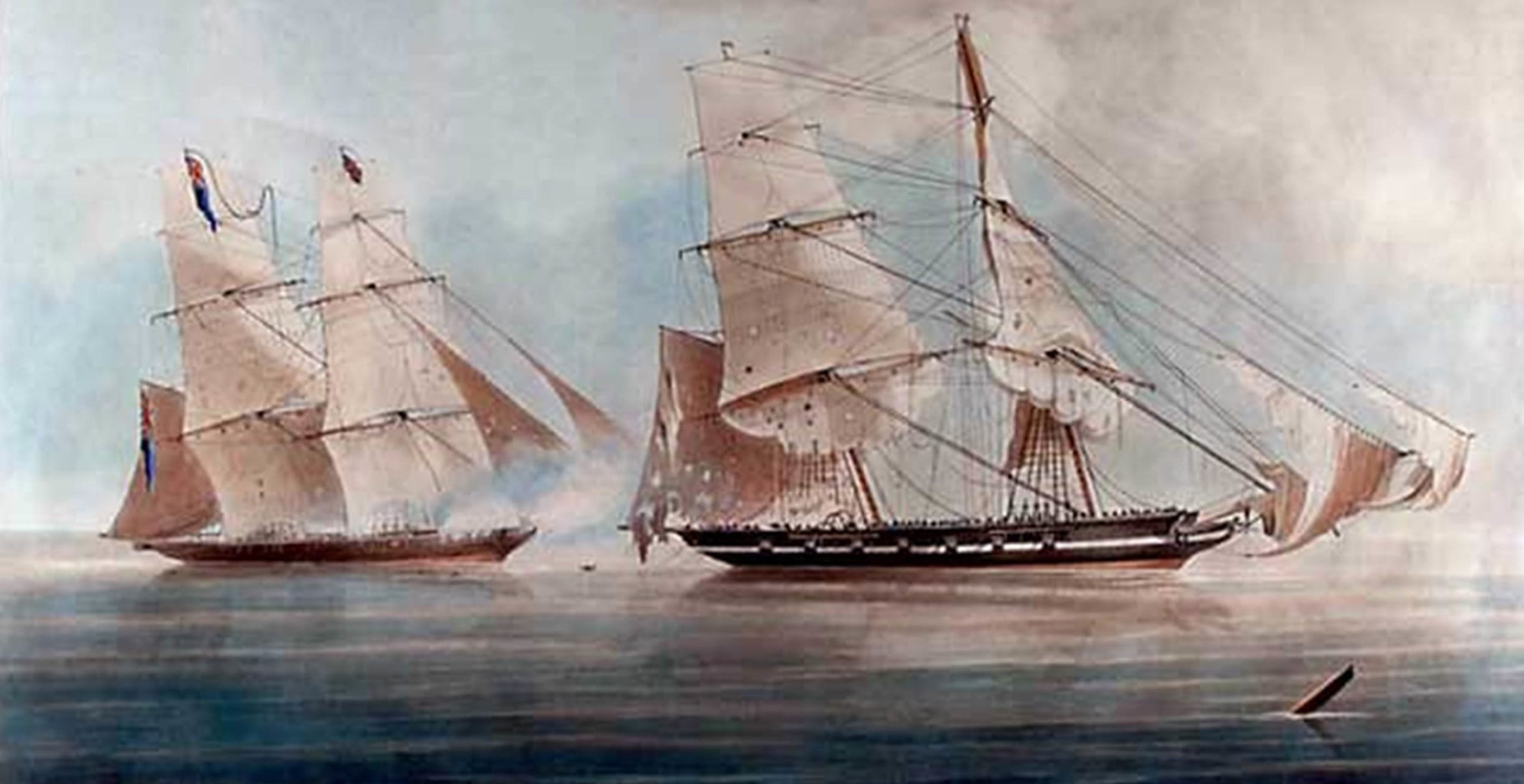
The final context that campaigners studiously ignore is the fact that Britain was among the first states in the history of the world to abolish slave-trading (in 1807) and slavery (in 1833) throughout its territories. It then used its dominant power to suppress both slave-trading and slavery from Brazil, across Africa and India, to New Zealand for the second half of the British Empire’s life. In the 1820s and ’30s, the Slave Trade Department was the Foreign Office’s largest unit. By mid-century the Royal Navy was devoting over 13 per cent of its total manpower to stopping transatlantic slave-trading. The cost of this alone to British taxpayers was at least the equivalent of up to £1.74 billion today or 12.7 per cent of the UK’s current expenditure on development aid — for half a century. According to the eminent historian, David Eltis, the nineteenth-century costs of slavery-suppression exceeded the eighteenth-century benefits.
The West Africa Squadron, which freed 150,000 African slaves.