
On Substack, Maninder Järleberg illuminates the problem of functional illiteracy in higher education in the west:
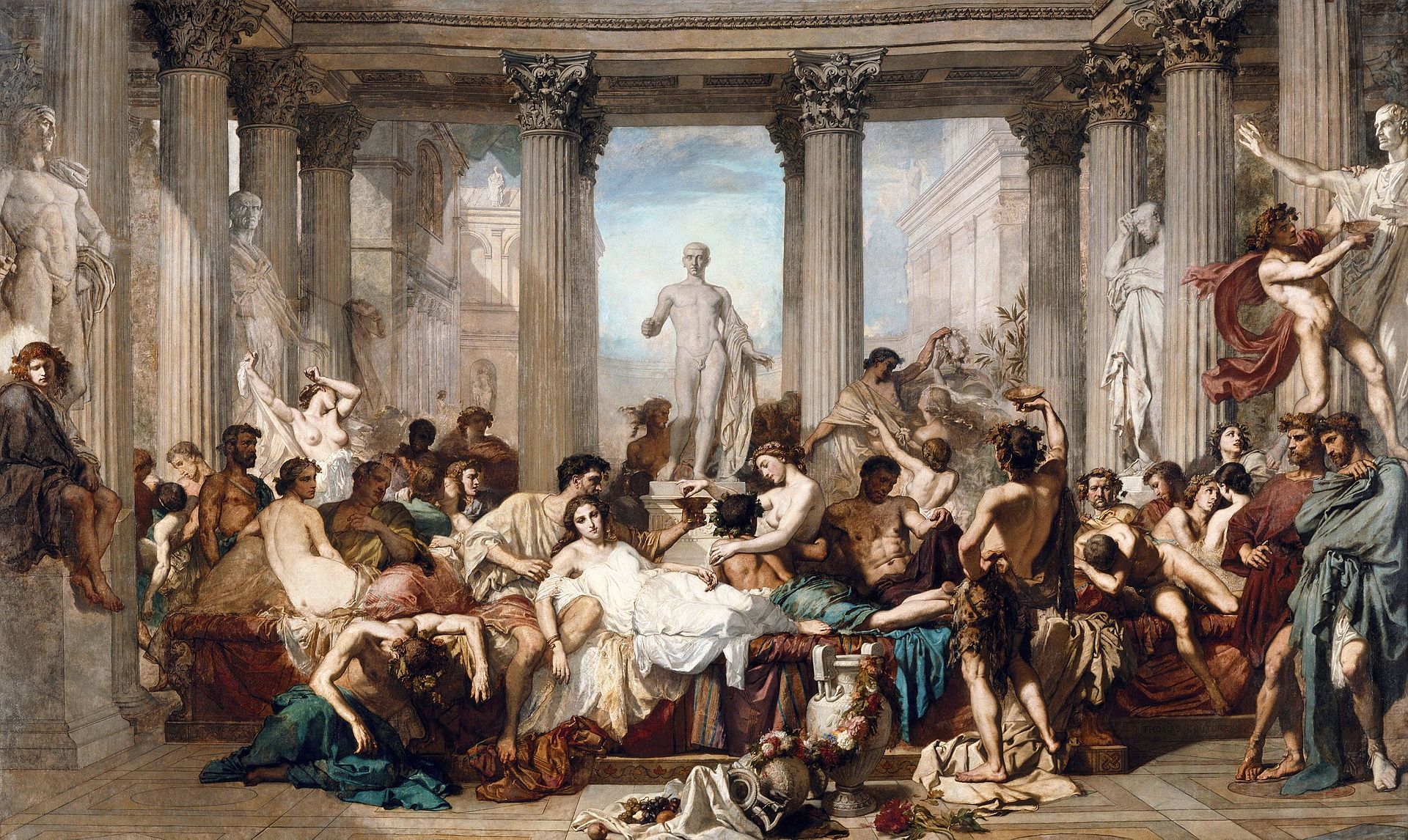
The Age of Functional Illiteracy
Functional illiteracy was once a social diagnosis, not an academic one. It referred to those who could technically read but could not follow an argument, sustain attention, or extract meaning from a text. It was never a term one expected to hear applied to universities. And yet it has begun to surface with increasing regularity in conversations among faculty themselves. Literature professors now admit — quietly in offices, more openly in essays — that many students cannot manage the kind of reading their disciplines presuppose. They can recognise words; they cannot inhabit a text.
The evidence is no longer anecdotal. University libraries report historic lows in book borrowing. National literacy assessments show long-term declines in adult reading proficiency. Commentators in The Atlantic, The Chronicle of Higher Education, and The New York Times describe a generation for whom long-form reading has become almost foreign. A Victorian novel, once the ordinary fare of undergraduate study, now requires extraordinary accommodation. Even thirty pages of assigned reading can provoke anxiety, resentment, or open resistance.
It would be dishonest to ignore the role of the digital world in this transformation. Screens reward speed, fragmentation, and perpetual stimulation; sustained attention is neither required nor encouraged. But to lay the blame solely at the feet of technology is a convenient evasion. The crisis of reading within universities is not merely something that has happened to the academy. It is something the academy has, in significant measure, helped to produce.
The erosion of reading was prepared by intellectual shifts within the humanities themselves—shifts that began during the canon wars of the late twentieth century. Those battles were never only about which books should be taught. They were about whether literature possessed inherent value, whether reading required discipline, whether difficulty was formative or oppressive, and whether the humanities existed to shape students or merely to affirm them. In the decades that followed, entire traditions of reading were dismantled with remarkable confidence and astonishing speed.
The result is a moment of institutional irony. The very disciplines charged with preserving literary culture helped undermine the practices that made such culture possible. What we are witnessing now is not simply a failure of students to read, but the delayed consequence of ideas that taught generations of readers to approach texts with suspicion rather than attention, critique rather than encounter.
This essay is part of a larger project to trace that history, to explain how a war over the canon helped usher in an age in which reading itself is slipping from our grasp, and why the consequences of that war are now returning to the academy with unmistakable force.
The Canon Wars: A Short Intellectual History
To understand the present state of literary studies, one must return to the canon wars of the 1980s and 1990s — a conflict that reshaped the humanities with a speed and finality few recognised at the time. Although remembered now as a dispute about which books deserved a place on the syllabus, the canon wars were in truth a contest over the very meaning of literature and the purpose of a humanistic education.
In the decades after the Second World War, the curriculum in most Western universities still rested upon a broadly shared assumption: that certain works possessed enduring value, that they spoke across time, and that an educated person should grapple with them. This conviction, however imperfectly applied, formed the backbone of the humanities. It was also increasingly at odds with a new intellectual climate shaped by post-1968 radicalism, the rise of identity politics, and the importation of French theory.
By the early 1980s, tensions that had simmered beneath the surface erupted into public view. The most emblematic flashpoint came at Stanford University in 1987–88, when student demonstrators chanted, “Hey hey, ho ho, Western Culture’s got to go!” in protest of the university’s required course on Western civilisation. The course was soon dismantled, replaced by a broader, more ideologically framed program. What happened at Stanford quickly reverberated across the country. Departments revised reading lists, restructured curricula, and abandoned long-standing core requirements.
On one side of the debate stood defenders of the canon—figures such as Harold Bloom, Allan Bloom, E.D. Hirsch, and Roger Kimball—who argued that the great works formed a kind of civilisational inheritance. The canon, they insisted, was not a museum of privilege but a record of human striving, imagination, and achievement. On the other side were scholars like Edward Said, Toni Morrison, Henry Louis Gates Jr., Gayatri Spivak, and Homi Bhabha, who contended that the canon reflected histories of exclusion and domination, and that expanding or dismantling it was a moral imperative.
But beneath these arguments lay a deeper philosophical rift. The defenders assumed that literature possessed intrinsic value, that texts could be read for their beauty, their insight, or their power. The critics, armed with concepts drawn from Foucault, Derrida, and Barthes, argued that literature was inseparable from structures of power, that meaning was unstable, and that reading was less an act of discovery than an exposure of hidden ideological operations.
The canon wars ended not with a negotiated peace but with a decisive transformation. The traditional canon was not merely expanded; its authority was dissolved. And with it dissolved a set of shared assumptions about why we read at all.


