
At the Foundation for Economic Education, Mohamed Moutii looks at the reasons DOGE was unable to come close to achieving the lofty goals it was launched with:
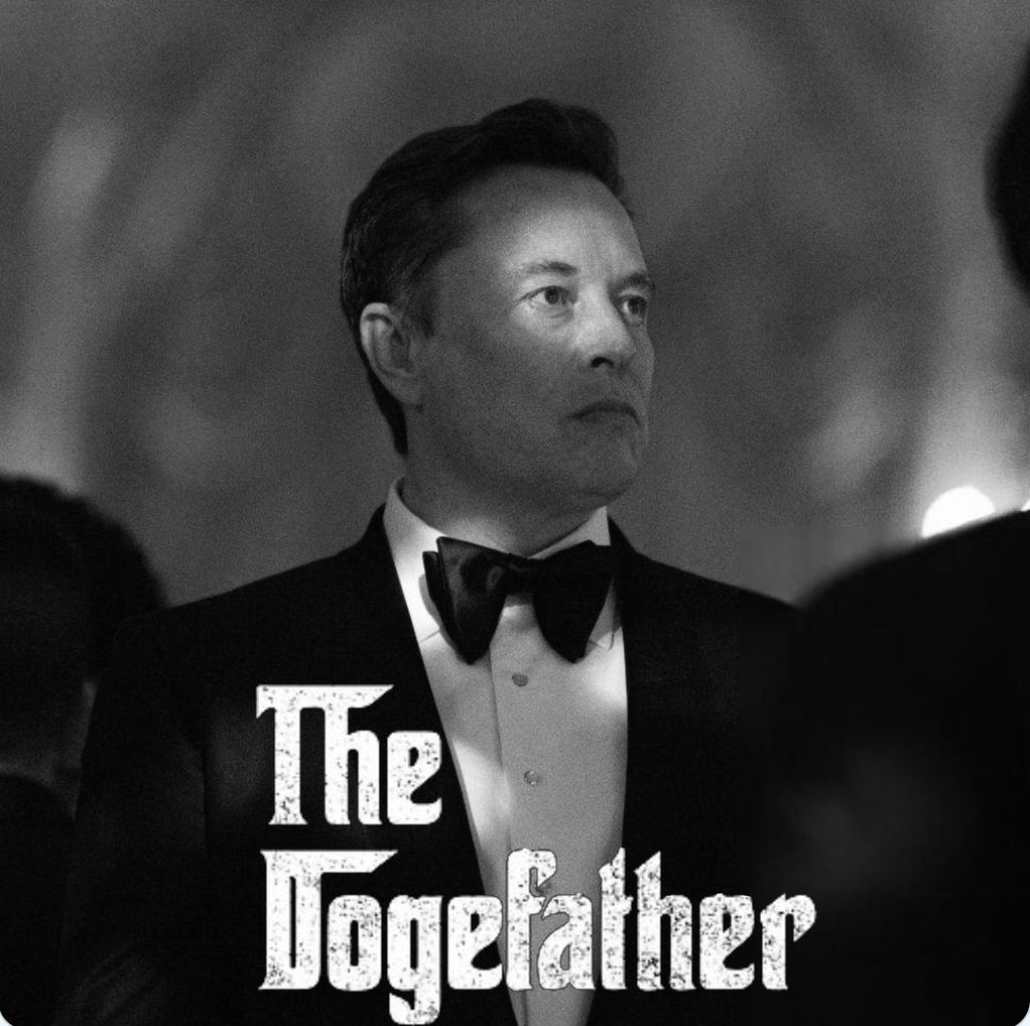
DOGE’s biggest failure was its inability to deliver its promised sweeping transformation. From the start, its $2 trillion savings target was unrealistic. Cutting nearly 30% from a $7 trillion budget was never feasible, especially with politically untouchable programs like Social Security, Medicare, Medicaid, and Defense off the table.
Musk’s claim that eliminating waste alone could close the gap didn’t hold up. While most budget experts support cutting inefficiencies, they agree that waste isn’t the main driver of the fiscal crisis. Even slashing all discretionary spending would save only $1.7 trillion. The real pressure comes from mandatory programs, which account for nearly two-thirds of the budget, leaving only a quarter of spending truly up for debate.
As reality set in, Musk’s savings claims shrank from $2 trillion to just $150 billion. While DOGE cites $170 billion saved, independent estimates suggest closer to $63 billion, less than 1% of federal spending, with many claims either inflated or unverifiable. Some savings were credited to long-canceled contracts. Though headline-grabbing layoffs and cuts were made, they were often botched, forcing agencies to rehire staff or reverse course. Meanwhile, federal spending rose by $166 billion, erasing any gains. Trump’s fiscal agenda worsens the outlook with the first-ever $1 trillion defense budget, sweeping tax cuts, and protected entitlements — all while annual deficits approach $2 trillion.
Yet DOGE’s failures ran deeper than mere fiscal naiveté. What began as Musk’s role as a “special government employee” quickly expanded into an unchecked exercise of executive power, raising constitutional alarms. His team reportedly accessed classified data, redirected funds, and sidelined entire agencies — actions taken without Senate confirmation, potentially in violation of the Appointments Clause of the Constitution. Legal pushback swiftly followed, with fourteen states suing Trump and Musk over the constitutionality of Musk’s White House-granted authority.
Meanwhile, glaring conflicts of interest became impossible to ignore. Musk’s companies — X, SpaceX, and Tesla — hold $38 billion in federal contracts, loans, tax breaks, and subsidies while facing over 30 federal investigations. His push to dismantle regulatory agencies like the Consumer Financial Protection Bureau (CFPB) — while X launches the “X Money Account“, a mobile payment service subject to CFPB oversight — only deepened concerns. Musk was legally obligated to separate his business dealings from government decisions. One major result has been the impact on Musk’s reputation. Once hailed as a visionary for his promotion of electric cars, he is now viewed unfavorably by many former fans.


