
On Substack, Helen Dale discusses the most recent high profile case of clanker mis-use in the justice system, as Scottish Employment Judge Sandy Kemp clearly leaned far too heavily on ChatGPT or another AI instance to crank out 312 pages of dubious content:

Grok generated this in response to the request for “Robbie the Robot as a judge”
Maybe Judge Kemp only identifies as a judge, because the farrago of nonsense he’s managed to produce in the Peggie matter is, well, a sight to behold.
Industry news/gossip magazine Roll on Friday — otherwise known as the “orange time-suck” among City solicitors — has a handy run-down of the most egregious fake quotations, selective editing, and incorrect citations. It’s a concise one-stop-shop for Peggie errors, although they’ve already had to add to it since it was published yesterday.
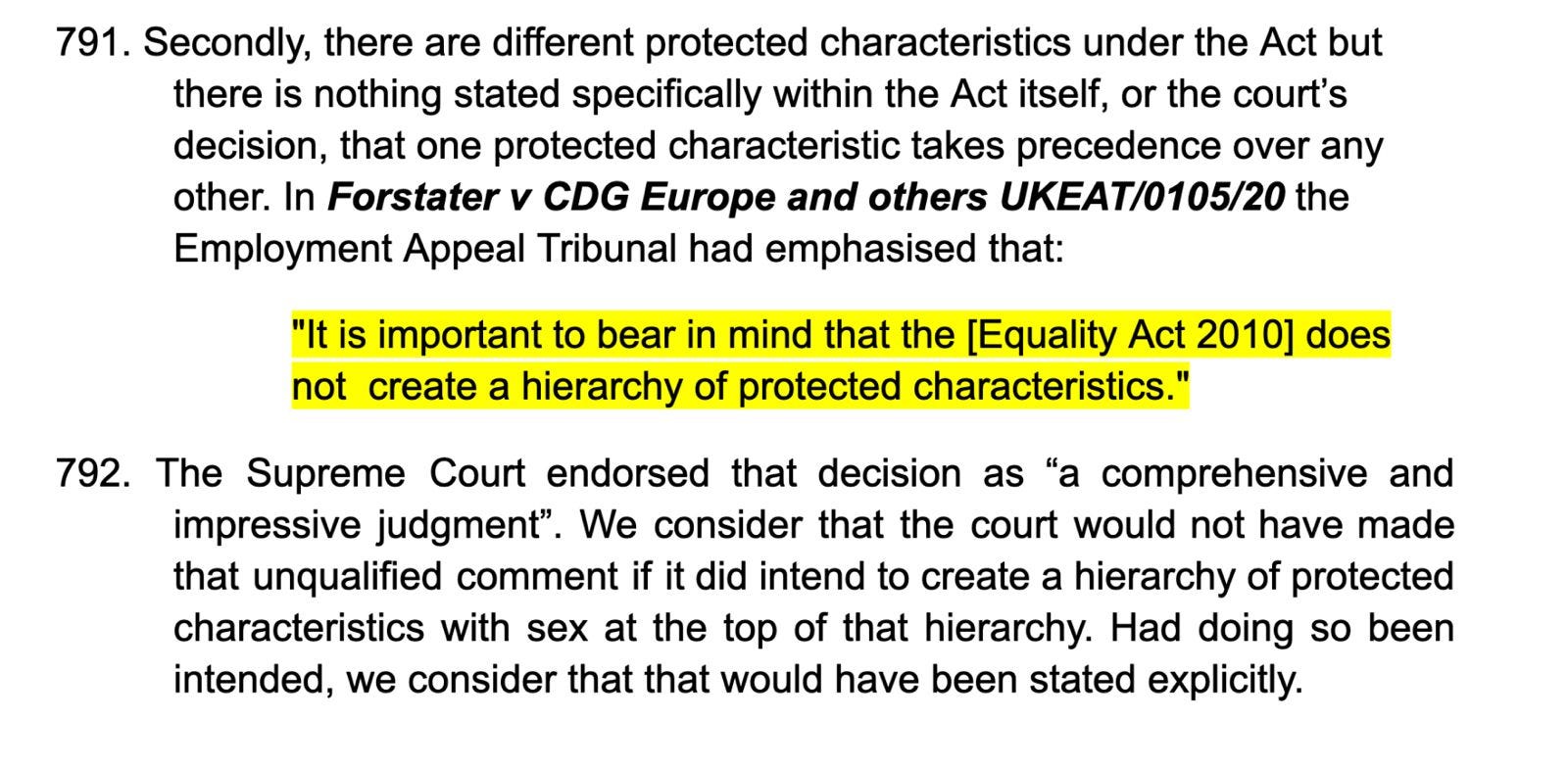
The situation is far more serious than the single — and that was bad enough — fake quotation from Forstater, since corrected by means of what lawyers call “the slip rule”. Notably, the corrected quotation does not support the point Judge Kemp wanted to make, rendering the passage nonsensical.
The slip rule or procedure — something many of us have seen in practice — exists to fix typos, wrong page/paragraph numbers, misspellings. One common error I remember from my pupillage days is fat-fingered judges leaving the “o” out of county in “County Court”, which of course litters the judgment with “Cunty Court”. Yes, everyone laughs and says “typo”, but things like this do have to be fixed.
The Roll on Friday piece notes that the Peggie opinion presents “a summary as if it was a quote from a judgment”, something that “appears to be a recurring issue”. This, as most people know by now, is a hallmark of AI.
I can’t prove that Judge Kemp used ChatGPT or Grok or a bespoke AI made available through the Judicial Office, although my suspicions are strong on this point. As an associate back in the oughts (a special kind of pupil barrister who works for a judge in a superior state or federal court in Australia), I’ve drafted multiple legal judgments. I have a good idea about what goes into them.
I also don’t know if Judge Kemp is on the transactivist side of this particular debate. I do know, however, that the judgment is dreadfully written and full of woolly reasoning, and — as other people have pointed out — all the errors tend in one direction.
I’m now going to set out what I think has happened, with the caveat that I could be wrong — something no-one will know until the appeal is heard and an opinion handed down.



It’s fascinating to see how clanker errors can emerge in court, especially in the context of AI. Do you foresee this trend increasing, Nicholas, and how can judges and lawyers adapt to maintain the accuracy and credibility of legal decisions?
Comment by komunikasi dan ilmu sosial — December 16, 2025 @ 03:23
Lazy lawyers and judges will devolve as much of their work onto whichever clanker they have access to and, unless they are strongly sanctioned for it, will further destroy trust in the legal system.
Comment by Nicholas — December 16, 2025 @ 09:34