Lorenzo Warby on a recent study of the vast chasm between what European voters want in areas like crime and immigration and what their elected representatives want:
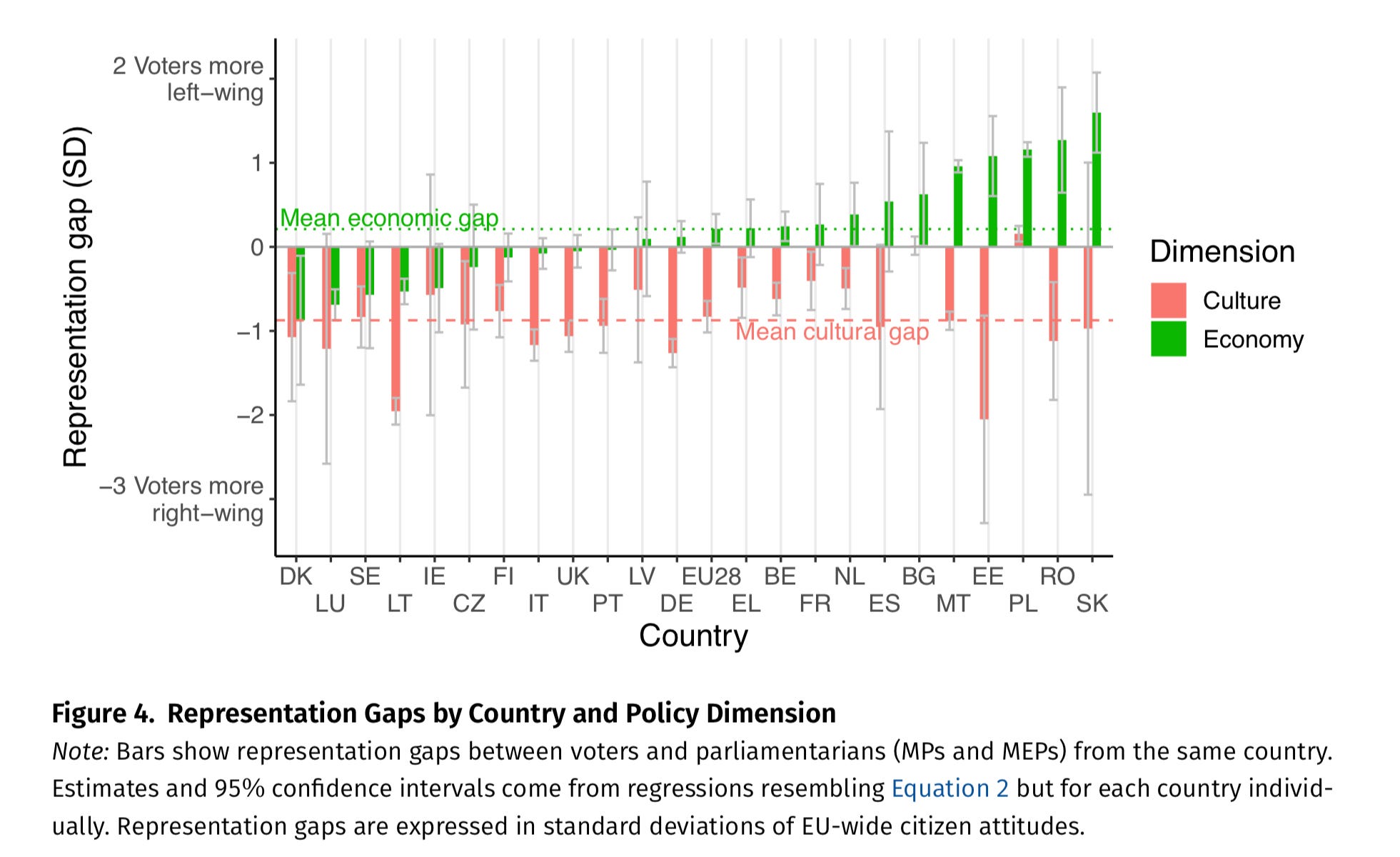
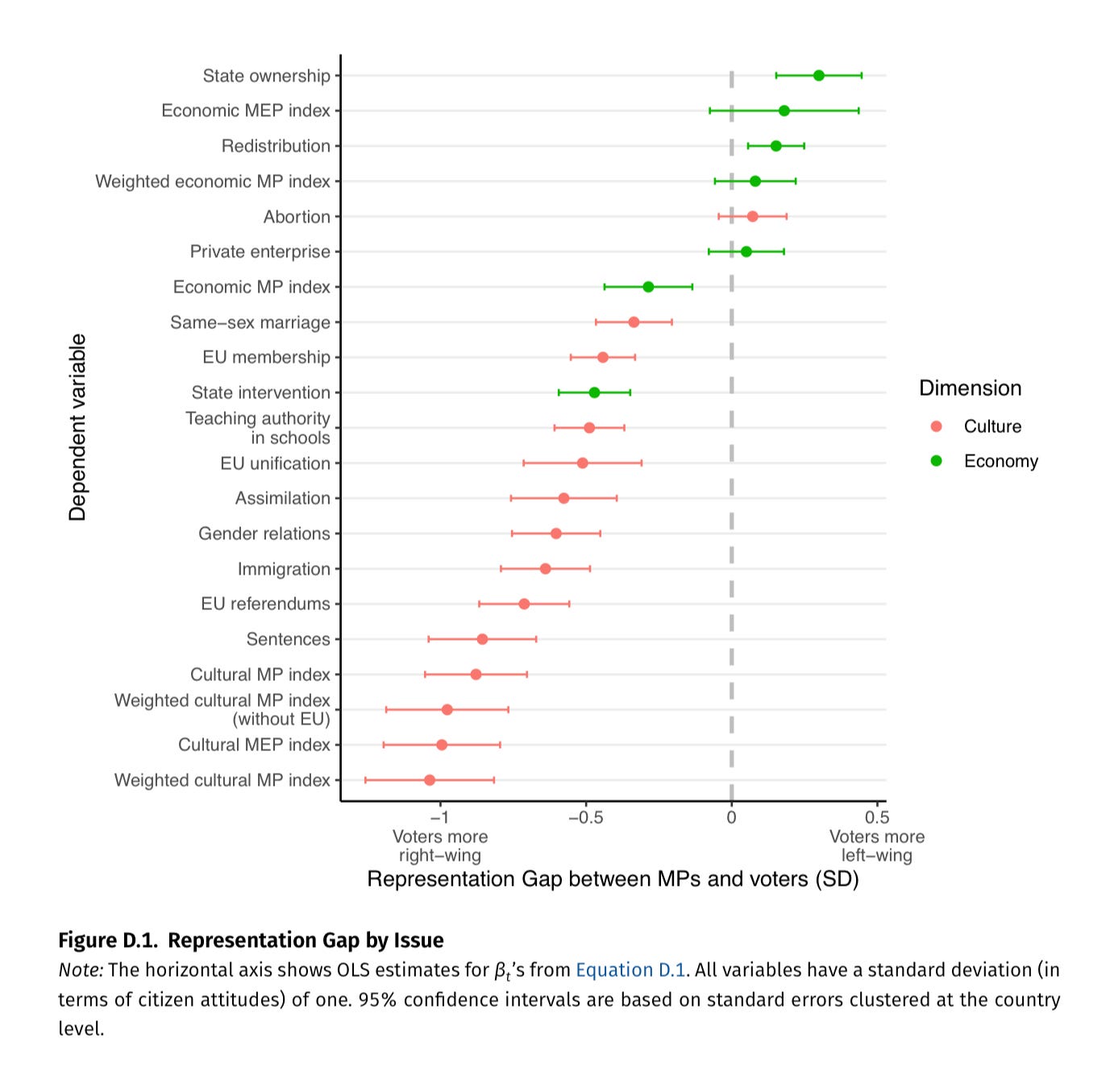
Economist Laurenz Guenther has performed the very useful exercise of quantifying how unrepresentative the views of European politicians are of their voters on cultural issues, such as crime and immigration. This is not true of economic issues, where the views of politicians tend to be quite representative of their voters.
In the case of economic issues, in some countries the politicians are more pro-market (“right”) then their voters, in others they are more dirigiste (“left”) than their voters, in others still they are very similar to their voters. There is simply no consistent pattern, and the average gap between voters and politicians across European countries on economic issues is fairly small.
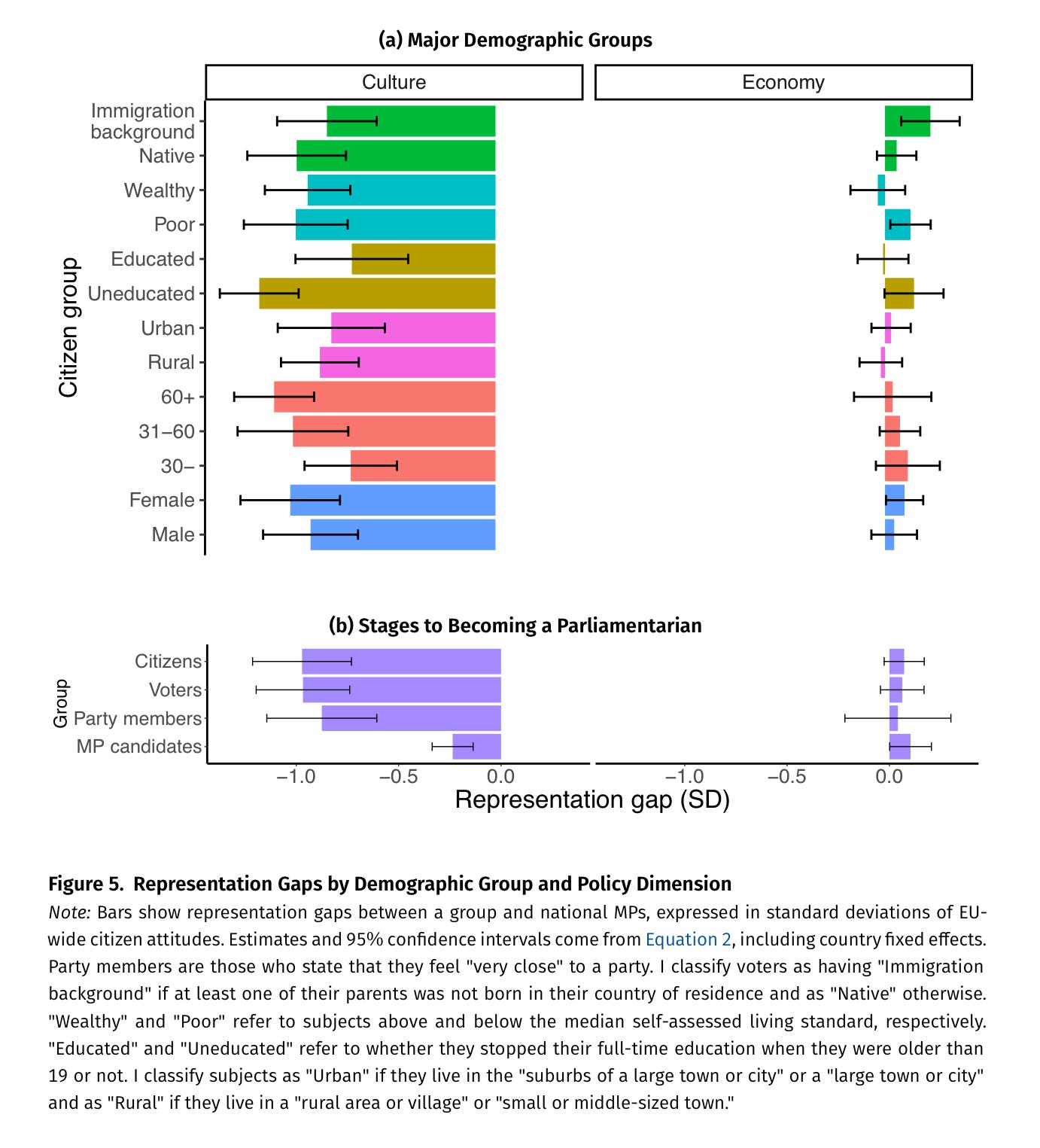
With cultural issues, such as crime and immigration, we get a very different pattern. There, politicians are consistently more socially liberal (“left”) than their voters and by a considerable margin. While education levels explain some of this difference, they do not explain very much, as politicians are significantly more socially liberal than even university-educated voters.
Moreover, politicians are unrepresentative even of their own Party members/base on cultural issues and, again, in being much more liberal than their core supporters. There is some factor or factors specific to being a contemporary politician that systematically separates them out from voters on cultural issues yet does not operate with economic issues.
Veteran politician Tip O’Neill famously said that all politics is local. This is particularly true of cultural issues such as crime and immigration, where the effects vary wildly by location. This is much less true of economic issues, which are much more economy-wide in their operation.
There are various features we can identify here. First, executive function(s) — including such features as patience (aka time horizon) — varies between people and is highly heritable. Localities that have lots of people with poor executive function operate very differently from those where it is very much normal for people to have strong executive function.
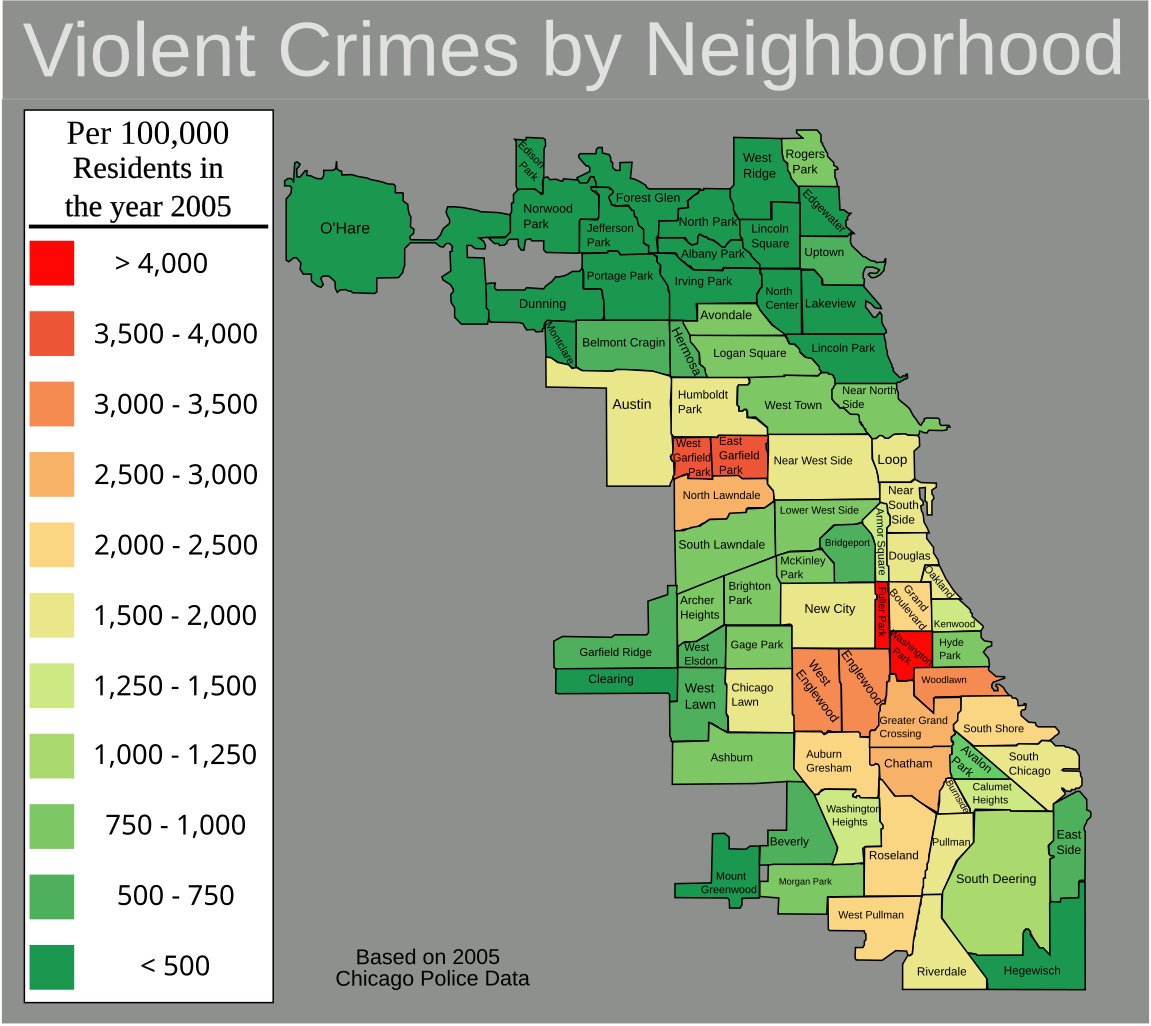
As the combination of physical robustness and weak executive function predicts criminal behaviour, this has a great deal to do with why crime varies so dramatically by locality. This is especially as crime is very much a power law phenomenon, where a small minority of (overwhelmingly) men commit the vast majority of violent crimes.
Source – Wikimedia Commons.
It also means that people who have spent their lives in social milieus full of people with high executive function can have little or no sense of what happens when one has to deal with weak executive function folk. This is the people unlike me problem that so bedevils contemporary politics and commentary.