
On Substack, Johann Kurtz provides a great example of Bastiat’s insight (quoted in the title), as debaters ineptly defend the whole notion of masculinity, particularly how boys are victimized for being boys:
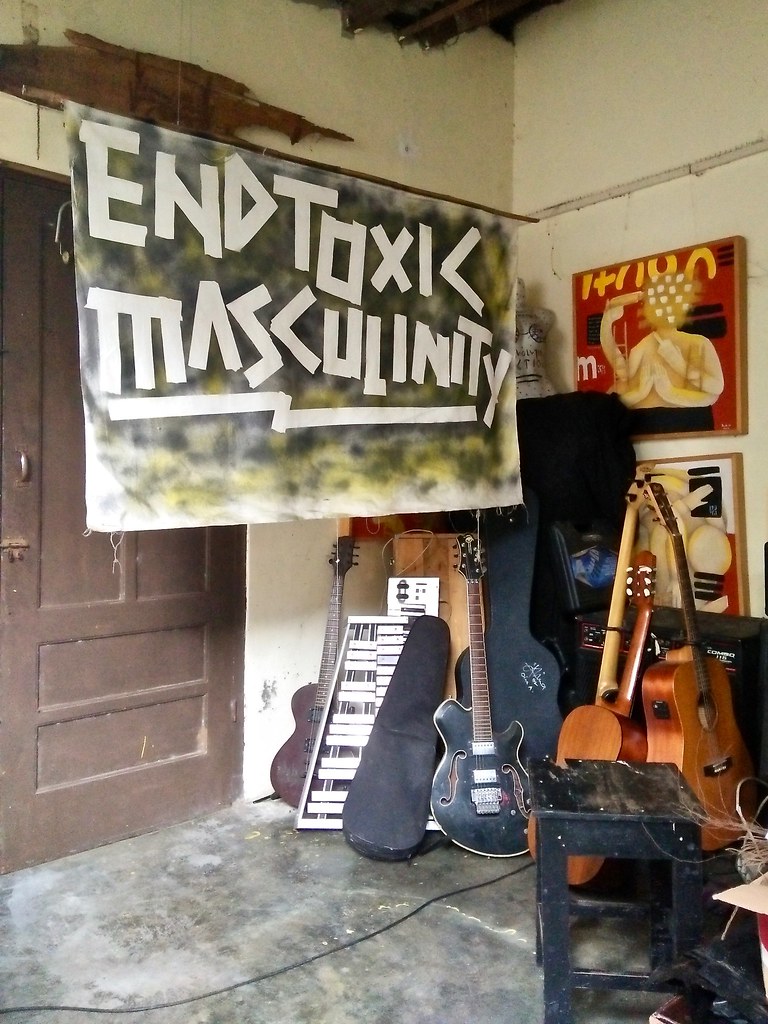
“End Toxic Masculinity” by labnusantara is licensed under CC BY-NC-ND 2.0


We’re failing our boys.
Two-thirds of young men feel that “no one really knows” them. Their real wages have been falling since the 1970s. They’re dropping out of education and the workforce in growing numbers. They die deaths of despair at almost three times the rate of women. Even their physical strength is collapsing.
Terrible solutions are proposed. No matter how much traditional masculinity is undermined, powerful voices continue to insist that the real problem is that it hasn’t been destroyed altogether. “Only then will boys be happy”.
My thesis for this series is that there is a need to defend true masculinity on its own terms, not on the implicit terms of progressives who either don’t understand it or actively hate it.
Take, for example, this debate at the Oxford Union on traditional masculinity. The opening argument of the opposition — who are supposed to be defending traditional masculinity — starts with asserting the need for a “contemporary and inclusive” masculinity which is accessible to anyone “of any race, sexuality, or other identity“.
The best defence that this speaker can mount on this anaemic foundation is an argument that masculinity is useful for activism and community building like the “Movember Foundation”. After this slightly pathetic case she goes back to conceding “being forced to conform to a set of expectations is uncomfortable and even dangerous. We should allow people to access the gender expressions that make them feel like their truest self.”
The next speaker for the defence of traditional masculinity continues the grovelling: “In 2019, you know, we should not be honouring and obeying men — those times have gone.” This talk is a little better — you get the sense that he actually likes men, and notes that it’s overwhelmingly men who die in wars and dangerous jobs — before collapsing back at the end: “We should look at new ways of being a man. I would love to get more men involved in teaching, in nursing — make it ‘cool to care’. I’ve been around Scandinavia talking to stay-at-home dads … These are progressive, beautiful men.”
The final speaker — who, again, is supposed to be defending traditional masculinity — takes the stage and begins: “Some of the most beautiful moments I’ve watched in young men’s lives are when we’re alone in a room — and maybe a brother who’s been struggling with his sexuality comes out in front of a hundred other brothers, and he’s crying, and his other brothers are crying with him“. You can imagine the rest.
None of this has anything to do with traditional masculinity. In this series I will advocate for the cultivation in boys of all of the aspects of masculinity that these “advocates” were afraid to defend: strength, aggression, dominance, stoicism, and risk-taking.


